
Campania · Pozzuoli, Cuma, Baia
Rione Terra and the Campi Flegrei
The land that burns, breathes and keeps the oracles
- History & art
- Sea & islands
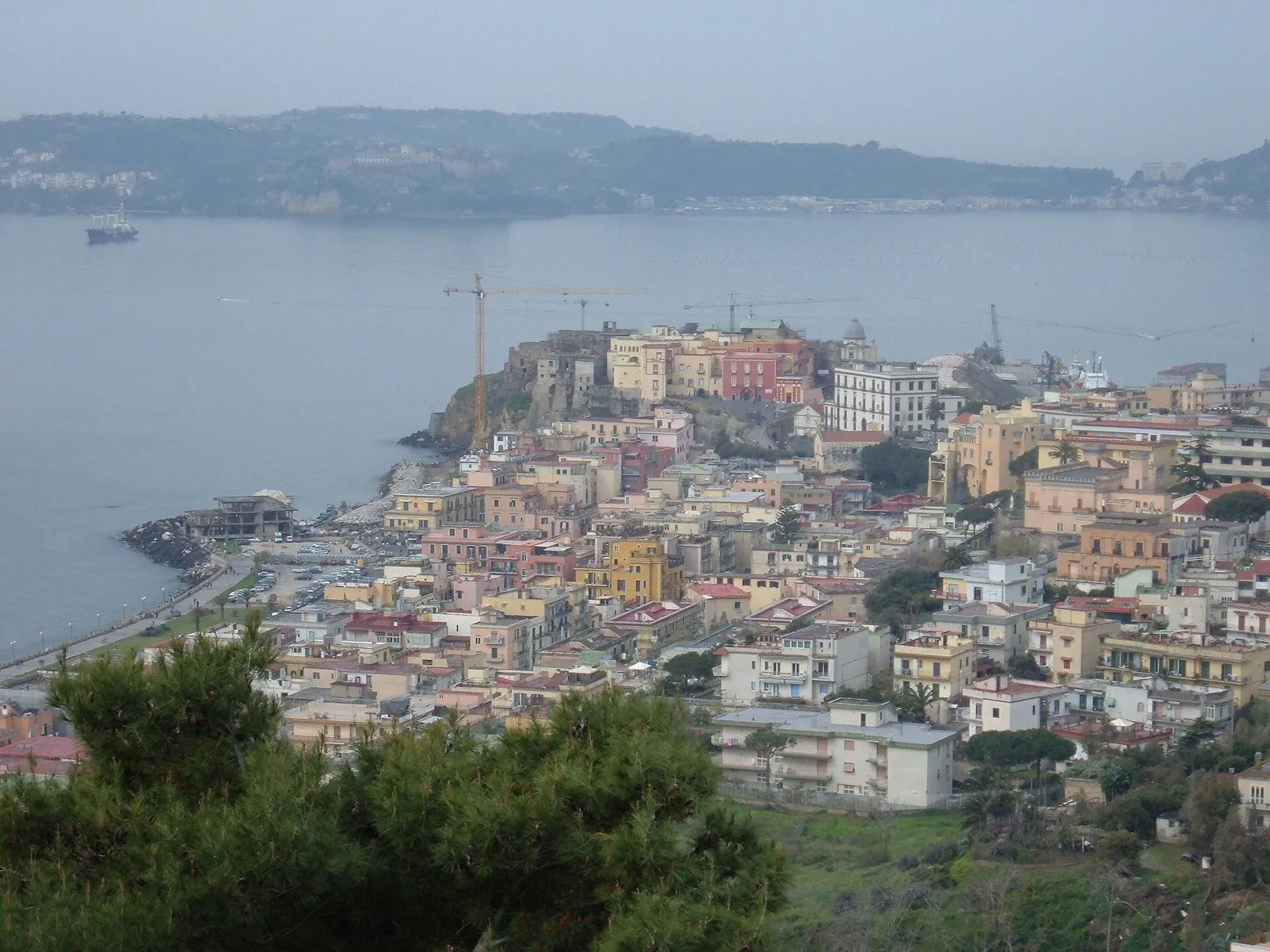
A step away from Naples lies a land the Greeks called the "burning fields". Here the ground still breathes — it rises and falls by metres — and beneath the streets of Pozzuoli, beneath the waves of Baia, inside the rock of Cuma, a whole world sleeps. This is no day trip out of town: it's the journey where myth becomes geography.
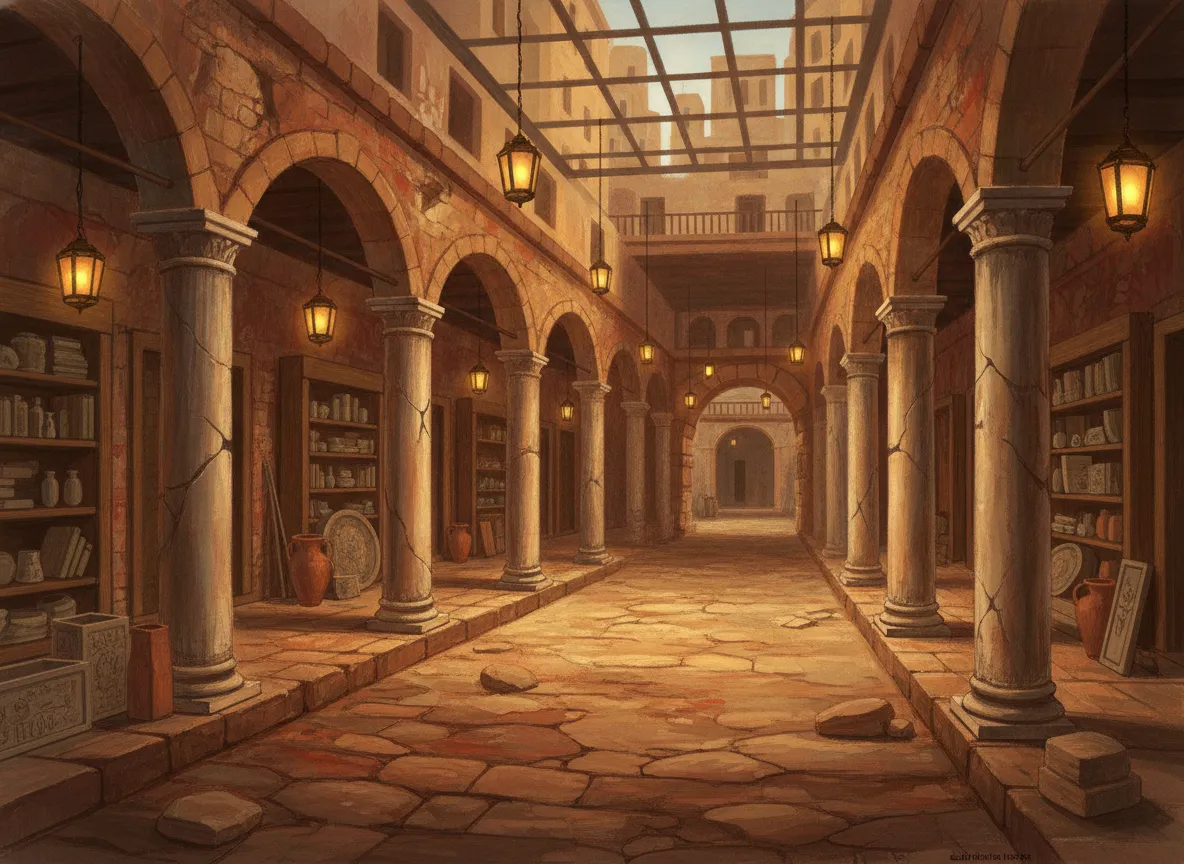
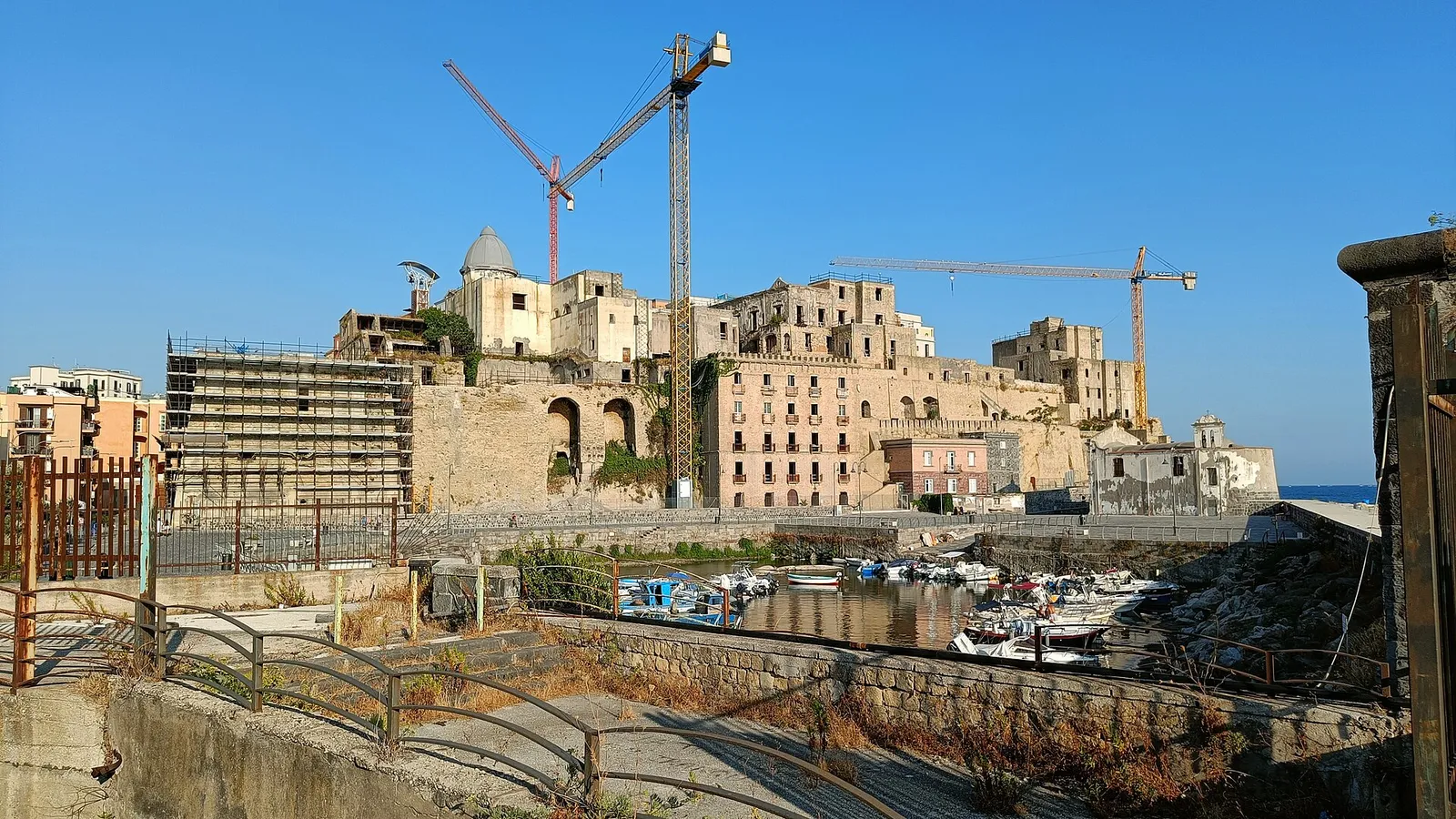
It begins with a fortress emptied in a single night. On 2 March 1970 the Rione Terra, the oldest core of Pozzuoli, was evacuated: bradyseism — that slow rising of the earth no one here knows how to stop — had made the houses unsafe, and the quarter was closed, abandoned, forgotten. For decades it hung above the gulf like a ghost city. Then the excavations revealed what lay beneath: the acropolis of ancient Puteoli, the Roman colony of 194 BC that was for centuries Rome's chief commercial port. Our tour leads guide you along the underground archaeological route, down the original cardines and decumani, among the shops, the grain stores and the pistrinum with its almost intact millstones: you walk the real street of imperial Puteoli, while above your head the Pozzuoli of today goes on living.
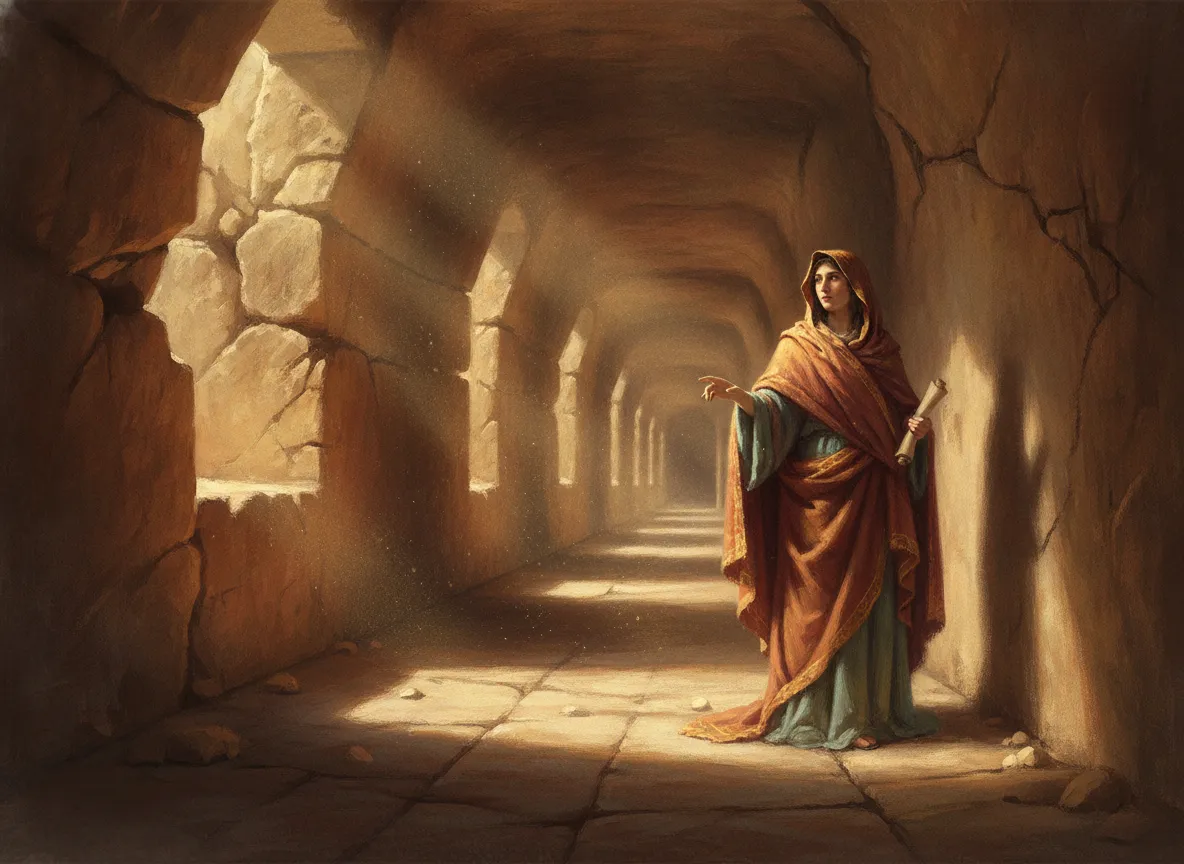
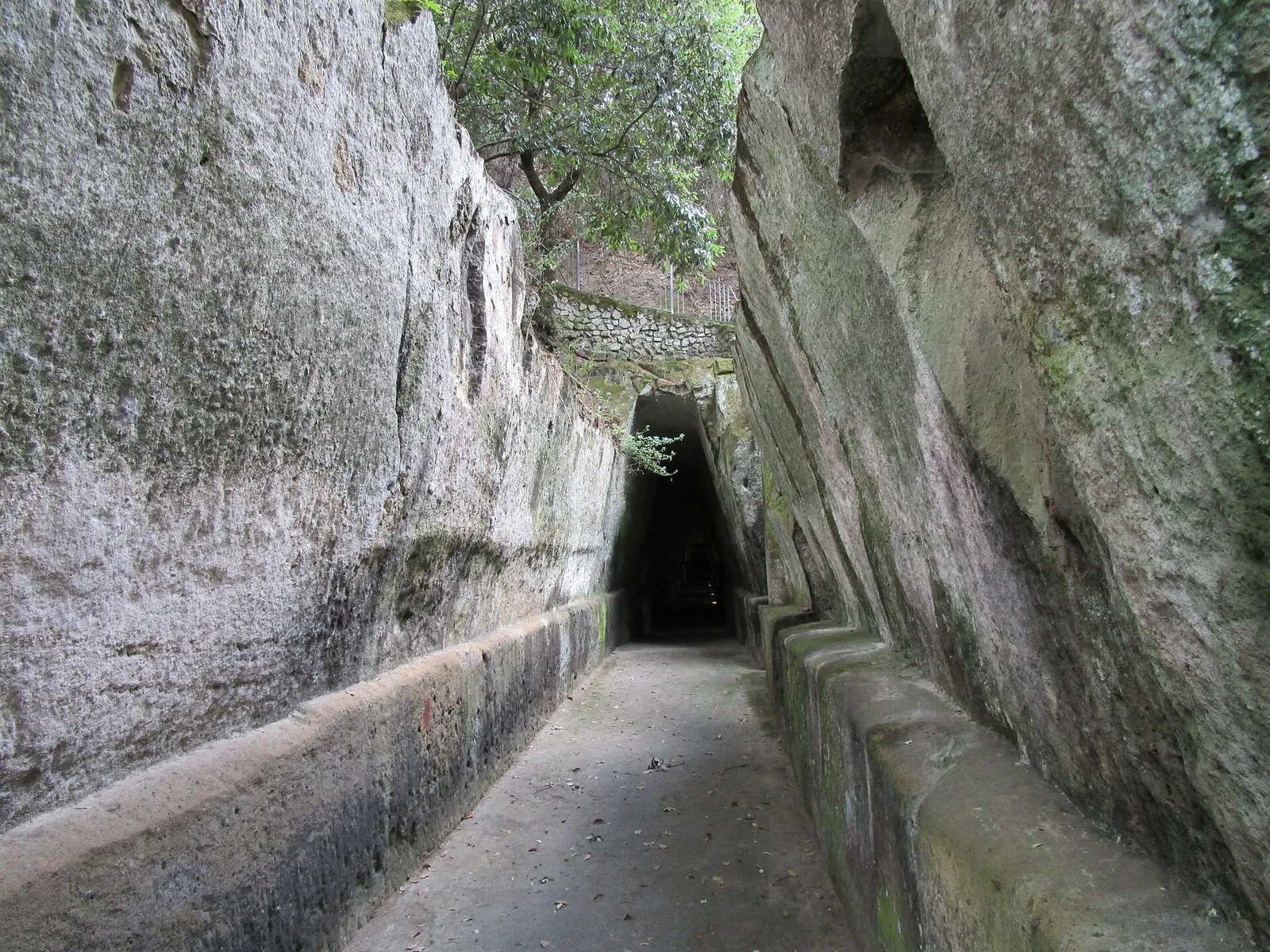
Then you descend to Cuma, the oldest Greek colony in the West, and stop before the Cave of the Sibyl. It is a corridor 131 metres long carved into the tufa, trapezoidal in section, its side openings letting the light filter through in bands: the archaeologist Amedeo Maiuri brought it back to light in 1932, but it already existed in verse. Virgil, in the sixth book of the Aeneid, had imagined it as the threshold from which Aeneas descends to the underworld, guided by the Cumaean Sibyl. The tour lead tells you her legend: loved by Apollo, she asked to live as many years as the grains of sand she held in her fist, but forgot to ask for eternal youth. She aged until she shrank away, until nothing of her remained but her voice. You stand in that tunnel of stone and, even if you're not one for shivers, you feel something.
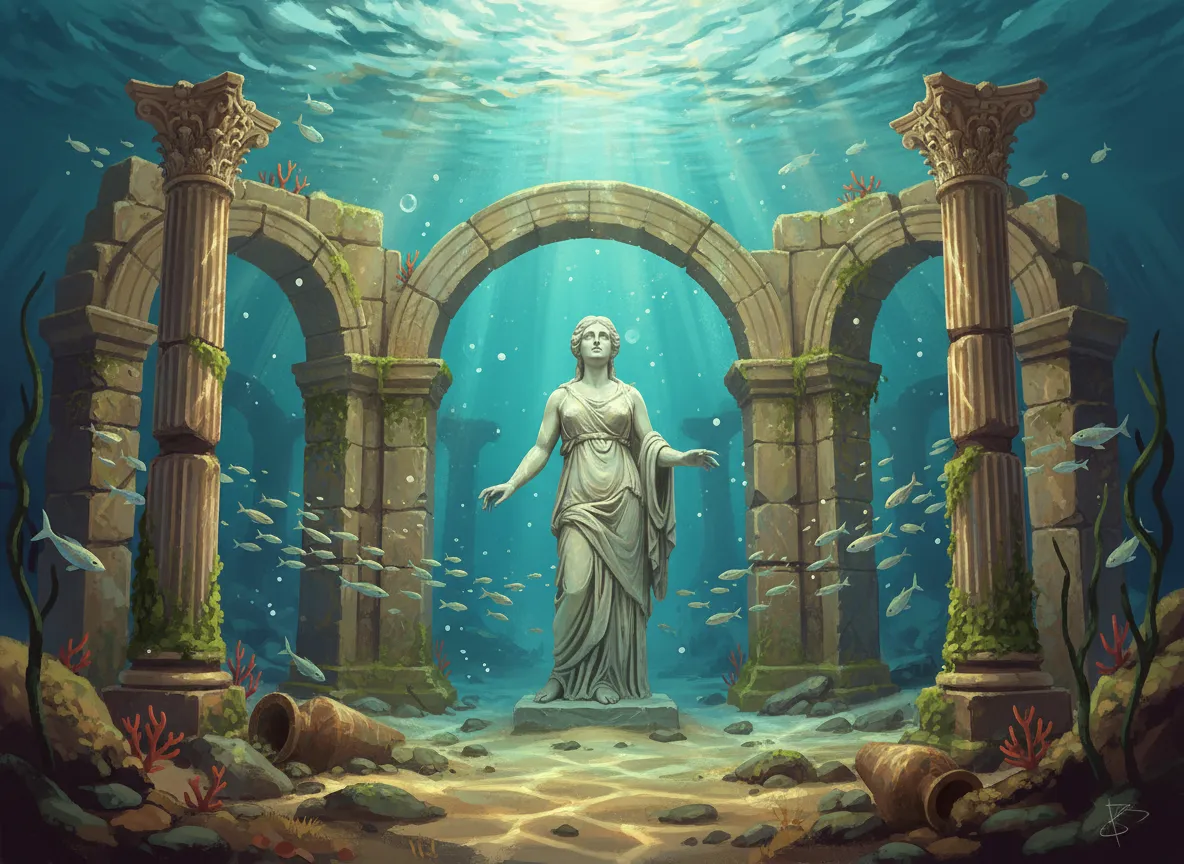
And finally there is the sea that swallowed a city. At Baia, where for five centuries Roman patricians built their villas of otium among thermal springs, bradyseism did the opposite of the Rione Terra: it sank everything beneath the waves. Today it is the largest submerged archaeological park in the world — an underwater Pompeii buried not by ash but by the sea. We show it to you for real: snorkelling above the mosaics, by glass-bottomed boat, or diving among the nymphaeum of Punta Epitaffio and the villa of the Pisones. Fish swimming through the rooms of emperors: it isn't a metaphor, it's what you see.
What you'll live
The Rione Terra underground
The archaeological route through the acropolis of Puteoli: Roman cardines, decumani and shops beneath the city of today, reopened after decades of abandonment.
The Cave of the Sibyl
The 131-metre corridor in the tufa sung by Virgil: the threshold of the underworld where the oracle of Cuma once spoke.
Submerged Baia
Mosaics, nymphaea and imperial villas beneath the sea: snorkelling, a glass-bottomed boat or a dive in the largest submerged park in the world.
The Solfatara that breathes
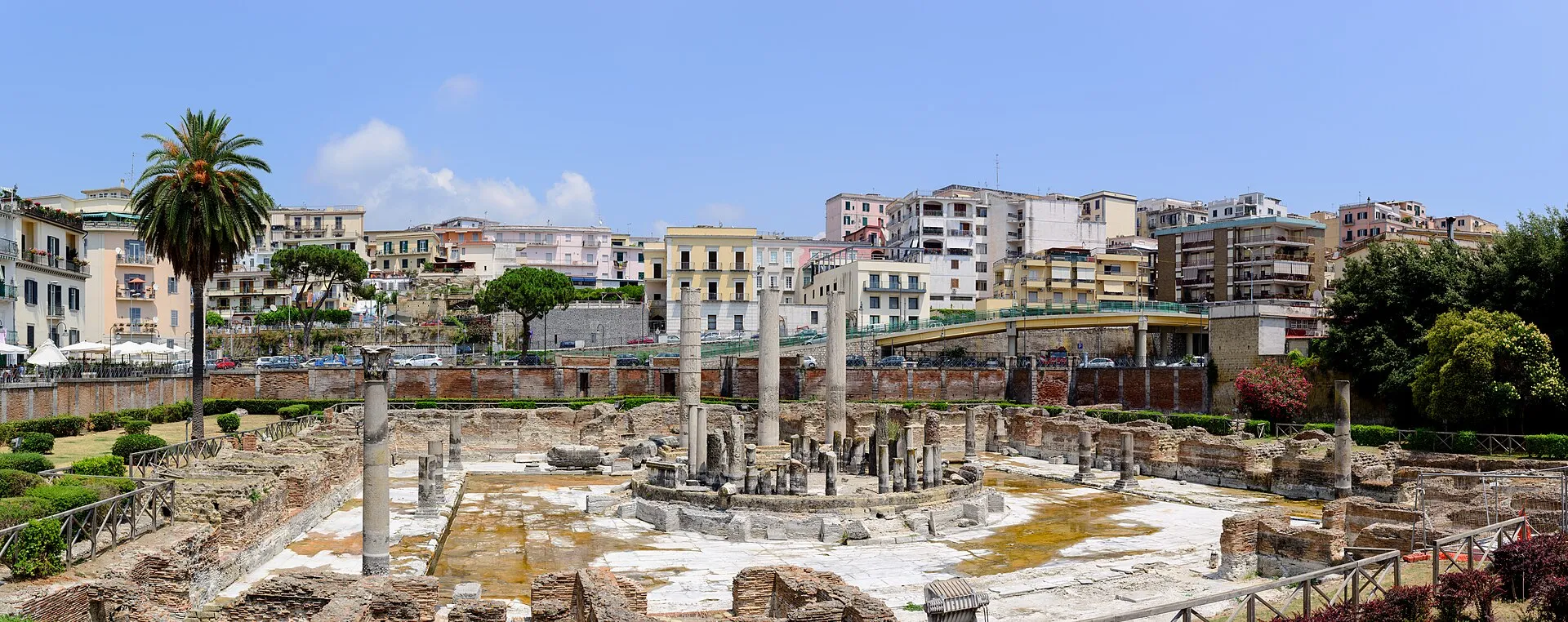
Fumaroles, sulphur and bubbling mud in a crater active for two thousand years, with the columns of the Macellum measuring the bradyseism.
Stories of the villages
Every village on the journey keeps a story. Here are the ones your tour lead will bring back to life.
 01
01 Cuma — La Sibilla e il suo antro
La leggenda racconta che il dio Apollo, innamorato della Sibilla di Cuma, le promise di esaudire ogni desiderio. Lei raccolse un pugno di sabbia e chiese di vivere tanti anni quanti erano i granelli che stringeva in mano: ma dimenticò di chiedere anche l'eterna giovinezza. I secoli la consumarono finché non rimpicciolì fino a sparire, e di lei restò soltanto la voce. Virgilio, nel sesto libro dell'Eneide, immaginò proprio qui la soglia dell'oltretomba, l'antro "dalle cento porte" da cui Enea scese tra le ombre, guidato dall'oracolo.
Il corridoio nel tufo esiste davvero: 131 metri a sezione trapezoidale, riportati alla luce dall'archeologo Amedeo Maiuri nel 1932. Il tour lead ti accompagna nella penombra, dove le aperture laterali tagliano la luce a fasce regolari sul pavimento. Cammini in quel respiro di pietra fresca e, anche se non sei tipo da brividi, capisci perché per i greci e i romani questo era il luogo dove un dio poteva parlare.
 02
02 Rione Terra — La città chiusa in una notte
Il 2 marzo 1970 il Rione Terra, il nucleo più antico di Pozzuoli, si svuotò di colpo. Il bradisismo — quel lento sollevarsi del suolo che qui nessuno sa fermare — aveva aperto crepe nelle case, e in due giorni il quartiere abitato senza interruzione da venticinque secoli divenne una città fantasma. Per decenni restò sospeso sopra il golfo, mura cieche e finestre vuote, dimenticato dai più. Poi gli scavi rivelarono cosa custodiva sotto di sé: l'acropoli dell'antica Puteoli, la colonia romana che fu per secoli il grande porto del grano di Roma.
Oggi il tour lead ti guida nel percorso archeologico sotterraneo, lungo i cardi e i decumani originali, tra botteghe, magazzini e un pistrinum con le macine quasi intatte. Cammini nella strada vera della Puteoli imperiale mentre, pochi metri sopra la tua testa, vive la Pozzuoli di sempre. È la stessa città, due volte: una sepolta e rinata, l'altra che continua, e tu sei nel punto esatto in cui si toccano.
 03
03 Baia — La riviera dei piaceri sotto il mare
Per cinque secoli Baia fu la riviera del piacere dell'impero: a Baiae i patrizi romani — e gli imperatori stessi — costruirono ville d'otium attorno alle sorgenti termali, in un luogo tanto bello quanto famoso per i suoi eccessi. Poi il bradisismo fece l'inverso di quanto accadde al Rione Terra: invece di sollevare, fece sprofondare. Lentamente, nell'arco di oltre un millennio, ninfei, terme e mosaici scivolarono sotto le onde, fino ai circa sei metri d'acqua di oggi. È la più grande Pompei subacquea del mondo, sepolta non dalla cenere ma dal mare.
La stessa terra che respira la leggi anche restando all'asciutto, al Macellum di Pozzuoli che tutti chiamano ancora "Tempio di Serapide": il tour lead ti indica, a oltre sei metri d'altezza sulle colonne di marmo cipollino, i fori scavati dai molluschi litodomi. Quei piccoli buchi sono la prova esatta che lì un tempo arrivava il mare, e poi se n'è andato. Sopra Baia, invece, oggi nuoti tu: pesci che entrano e escono dalle stanze degli imperatori, e non è una metafora, è quello che vedi.
Duemila anni che salgono e scendono col suolo
I Campi Flegrei sono un libro di storia che la terra stessa continua a girare: il bradisismo solleva e sprofonda il suolo, e con esso porto, ville e templi. Ecco le tappe che il tuo tour lead ti farà toccare con mano.
- 194 a.C.
Nasce Puteoli
Roma fonda la colonia di Puteoli sull'antica Dicearchia greca: diventerà per secoli il principale porto commerciale dell'Urbe, scalo del grano d'Egitto.
- I sec. a.C.–I sec. d.C.
Baia, la riviera degli imperatori
I patrizi romani costruiscono a Baiae le loro ville d'otium attorno alle sorgenti termali; il bradisismo la farà poi sprofondare sotto il mare.
- I sec. a.C.
Il Macellum di Pozzuoli
Sorge il mercato cittadino, poi detto "Tempio di Serapide": i fori dei molluschi litodomi sulle colonne diventeranno la prova storica del bradisismo.
- 1932
Maiuri e l'Antro della Sibilla
L'archeologo Amedeo Maiuri identifica a Cuma il corridoio nel tufo come l'Antro della Sibilla cantato da Virgilio nel VI libro dell'Eneide.
- 2 marzo 1970
Il Rione Terra evacuato
Il bradisismo costringe a sgomberare in fretta l'antico nucleo di Pozzuoli; riaprirà decenni dopo come percorso archeologico sotterraneo sull'acropoli di Puteoli.
We work the Campi Flegrei as a single, layered story, stitched to your own pace: private transfers, access booked at the right moments and a local tour lead who ties each stage to the next. It is a land that almost everyone crosses by motorway without seeing — and that is exactly why the privilege is to enter it slowly. At the Solfatara you catch the smell of sulphur and watch the fumaroles that have smoked for two thousand years; at the Macellum of Pozzuoli — the one everyone still calls the "Temple of Serapis" — the tour lead points out the holes left by lithodomus molluscs on the columns, over six metres up: the exact proof that the sea was once up there, and then withdrew. Here the land is no backdrop: it is the leading character.
And all of this is a step away from Naples, our home: in the evening you return to the city for a seafood dinner by the water, or you sleep in a charming place to stay overlooking the Phlegraean gulf. No coaches with fifty people aboard, no queues: only the time to listen to a land that is, quite literally, still alive and moving.
The journey map
When to go
What's included
- Tour lead narratore dedicato
- Trasferimenti privati sul posto
- Alloggi di charme selezionati
- Esperienze e degustazioni in programma
- Assistenza Furore 24/7
Not included
- Viaggio a/r per la località di partenza
- Pasti non indicati nel programma
- Mance ed extra personali
- Assicurazione viaggio (facoltativa)
Dove dormirai
Scegliamo a mano ogni alloggio: niente catene anonime, ma luoghi con un'anima, nel cuore dei borghi o affacciati sul paesaggio.
Dimore storiche
Palazzi e case di pietra nel centro dei borghi, tra mura antiche e silenzio.
Boutique hotel
Piccoli hotel di charme, con vista, servizio curato e atmosfera intima.
Agriturismi e cantine
Ospitalità autentica tra vigne, ulivi e tavole vere, dove ti accolgono come a casa.
Il tuo tour lead
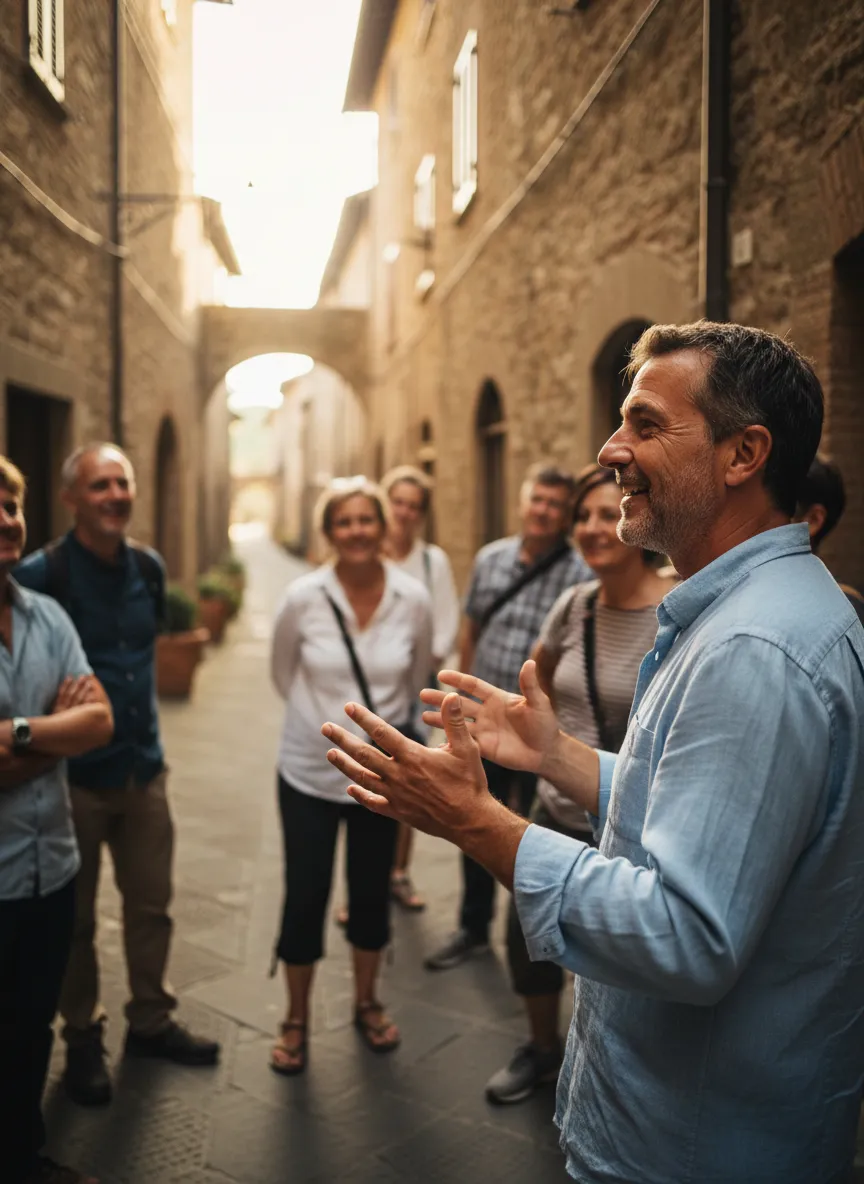
Non un accompagnatore qualunque: un narratore del territorio, nato qui o che ha scelto di restarci. Conosce le storie vere, le porte da aprire e i tempi giusti. È la persona che trasforma un bel viaggio in un ricordo indimenticabile.
A sample itinerary
- Day 1
Pozzuoli and the Rione Terra
Arrival from Naples, the underground archaeological route through ancient Puteoli and the Macellum of Serapis. A seafood dinner on the Phlegraean harbour.
- Day 2
Cuma and the Sibyl
The archaeological park of Cuma, the Cave of the Sibyl and the acropolis with the temple of Apollo, between Greek myth and Virgilian verse.
- Day 3
Baia beneath the sea
The submerged park of Baia by snorkel or glass-bottomed boat, the Aragonese Castle and its archaeological museum.
- Day 4
The land that burns
The Solfatara and its fumes, Lake Avernus — the ancients' entrance to the underworld — and a farewell toast over the gulf.
Frequently asked
How far are the Campi Flegrei from Naples?
Very close: Pozzuoli is practically at the gates of Naples, a handful of kilometres from the centre. It can be experienced as a day trip or as a base for a stay on the Phlegraean gulf.
Can you see the submerged park of Baia without knowing how to swim?
Yes. Besides the guided dives there are snorkelling tours with an instructor and glass-bottomed boats, perfect for those who prefer to stay on the surface or are travelling with children.
Does bradyseism make the visit dangerous?
No. It is a slow, constantly monitored phenomenon; the sites open to the public are safely accessible. If anything, the movement of the ground is part of the story that makes this land unique.
How many days do you need for the Campi Flegrei?
We recommend 3–4 days to enjoy Rione Terra, Cuma, Baia and the Solfatara at a calm pace, alternating archaeology, sea and table without rushing.
More villages to discover
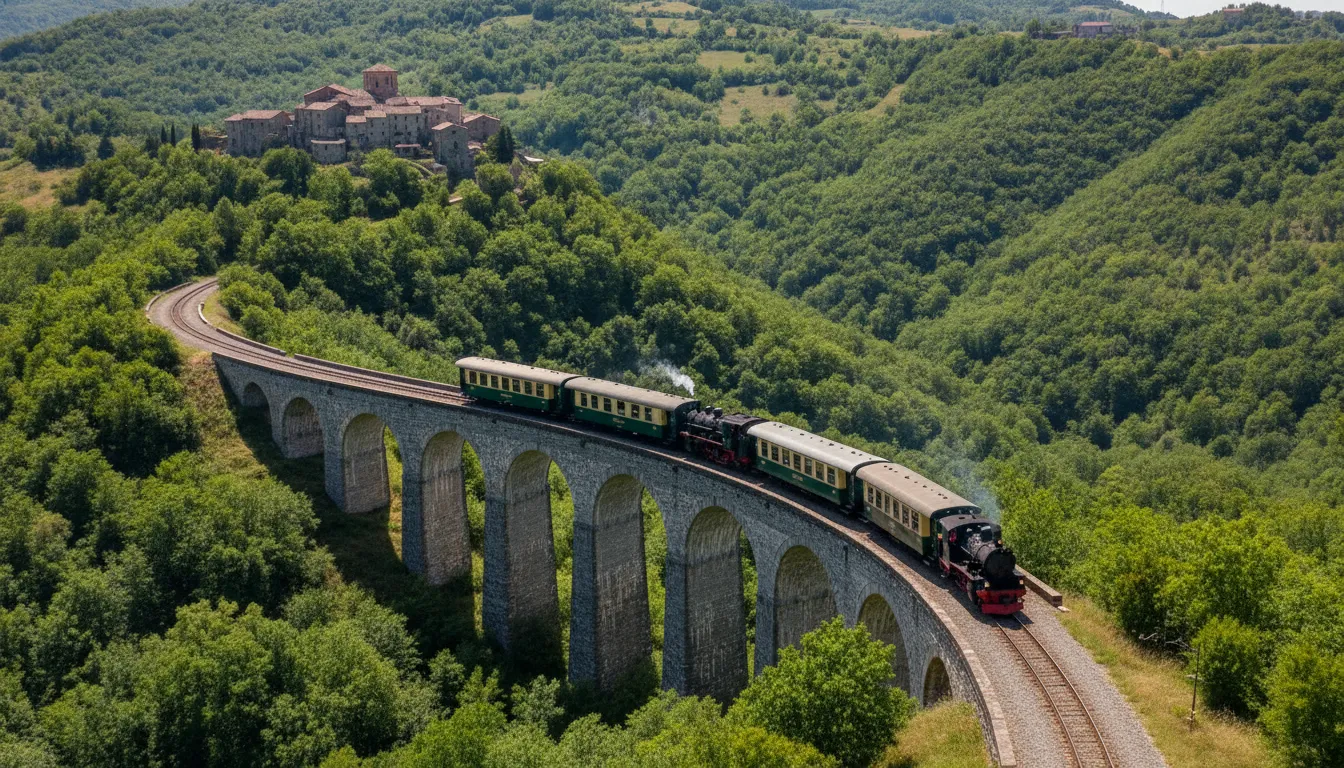 Abruzzo
 The Transiberiana d'Italia and the villages of Abruzzo
Abruzzo · Sulmona, Pescocostanzo, Cocullo, Campo di Giove
A slow train through the wild heart of the Apennines
Explore the village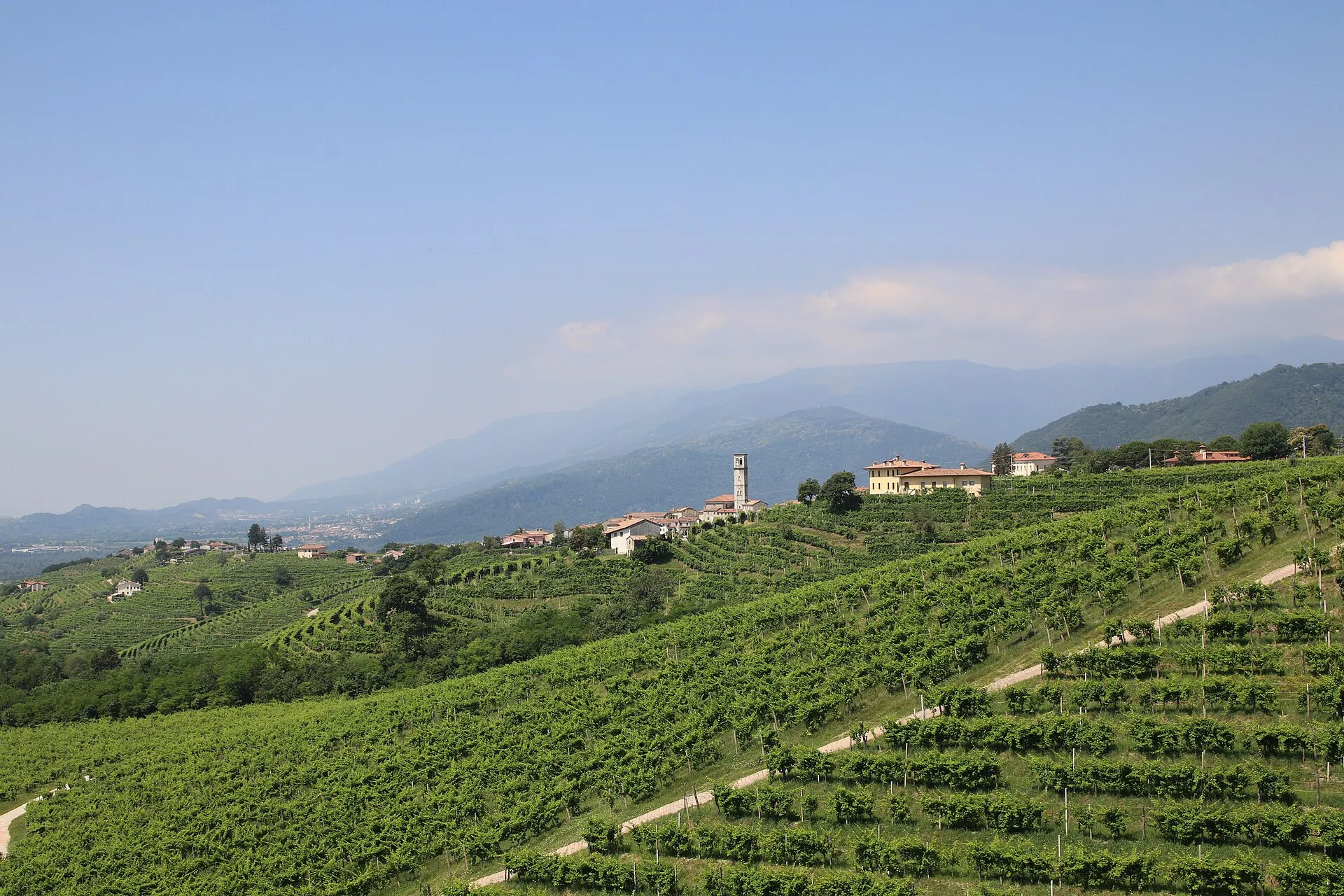 Veneto
 The Prosecco Hills
Veneto · Valdobbiadene, Conegliano and the UNESCO rive
Hand-stitched hills where the light of the Prealps turns into wine
Explore the village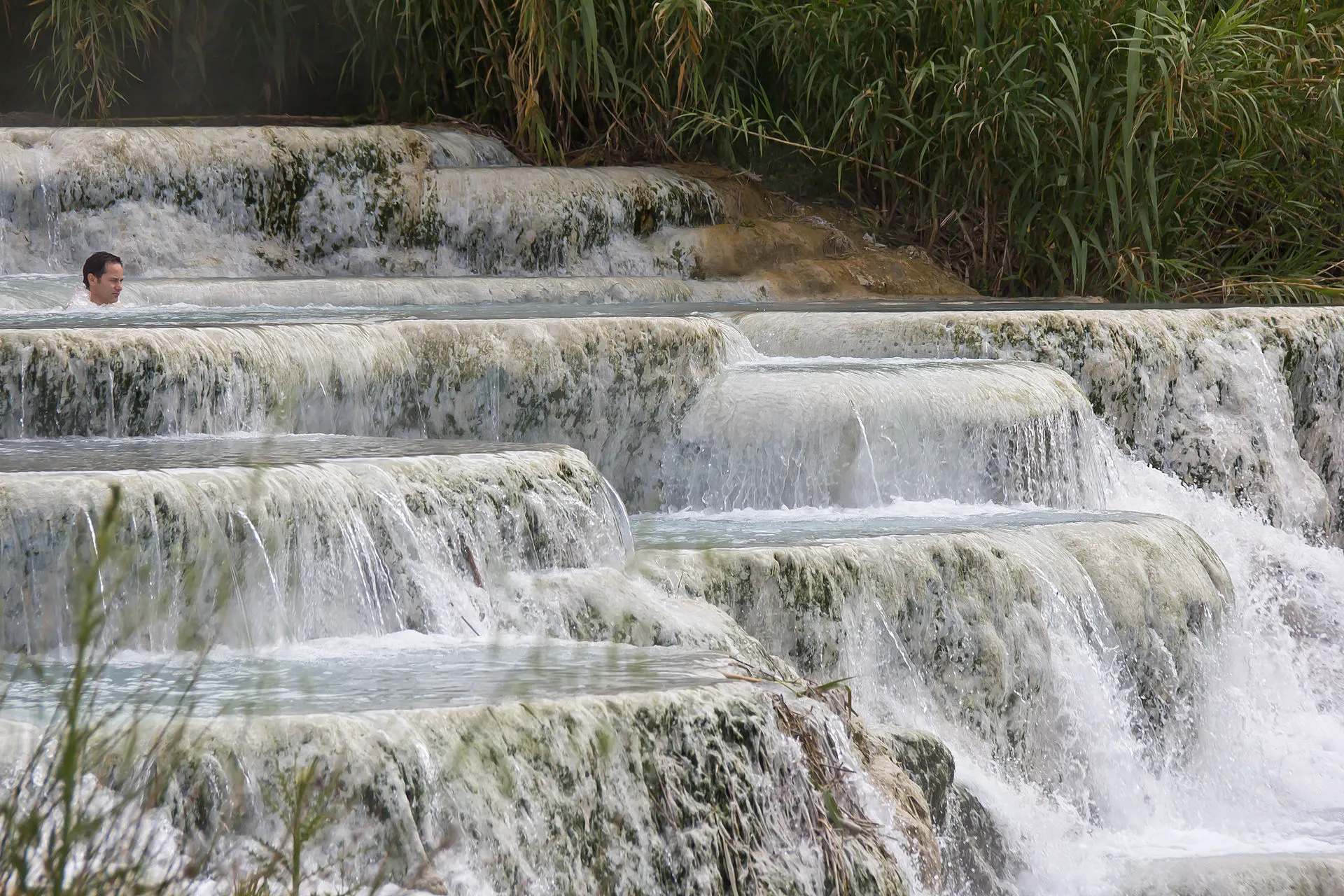 Tuscany
 Saturnia and the Tuscan Maremma
Tuscany · Saturnia, Pitigliano, Sovana
Warm waters born of a thunderbolt and towns carved from tufa
Explore the villageReady to truly set off?
Choose the experience that calls you: the details, the stories and the right thresholds are on us.