
Tuscany · Saturnia, Pitigliano, Sovana
Saturnia and the Tuscan Maremma
Warm waters born of a thunderbolt and towns carved from tufa
- Thermal baths
- Wine & food
- History & art
There is a Maremma that boils and a Maremma that remembers. The waters of Saturnia have steamed warm among the fields since before humankind had a name for them; a little further on, Pitigliano, Sovana and Sorano stand upon cliffs of tufa as though they had grown from the rock itself. This is not an itinerary of stops: it's a slow descent into the deep time of Tuscany.
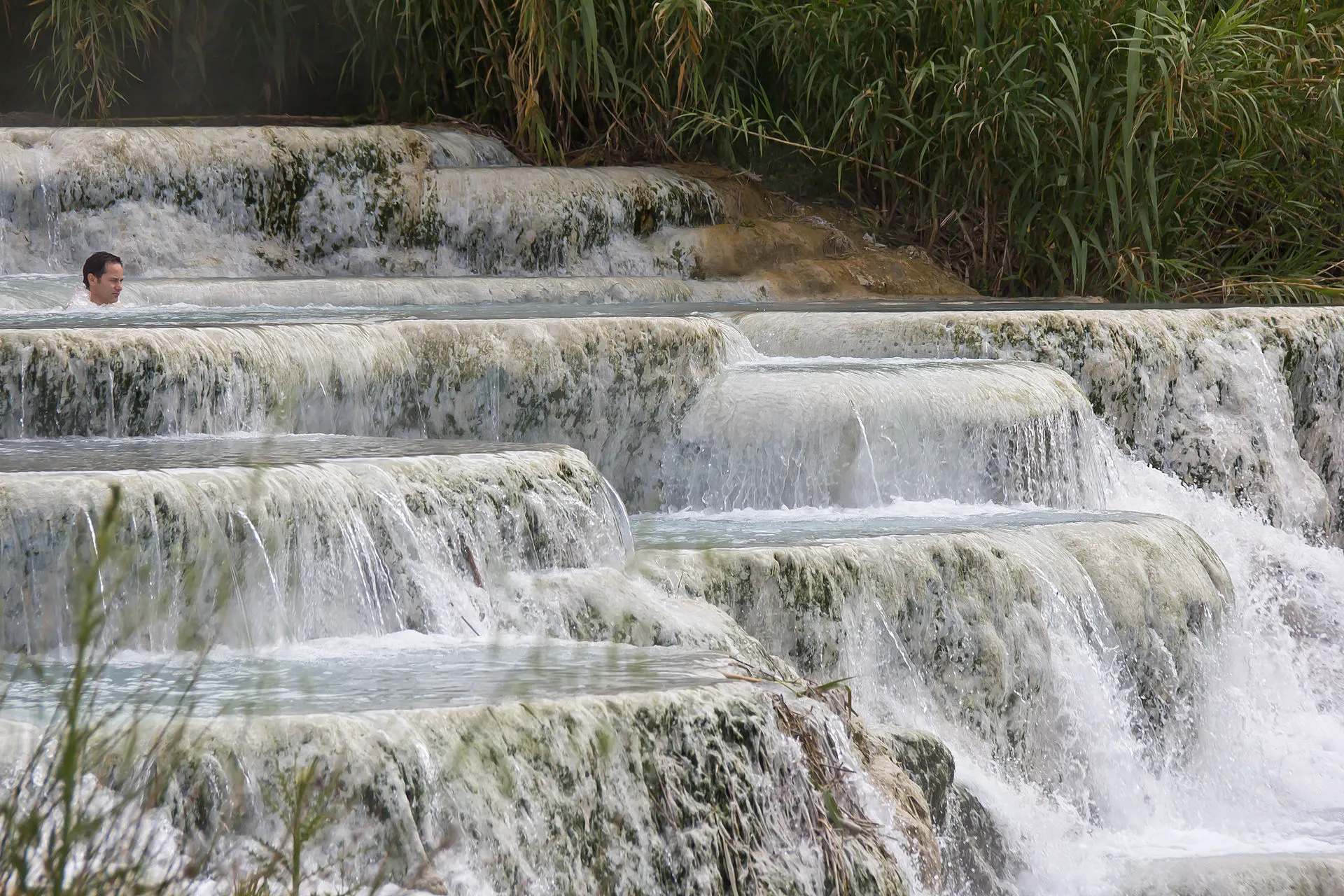
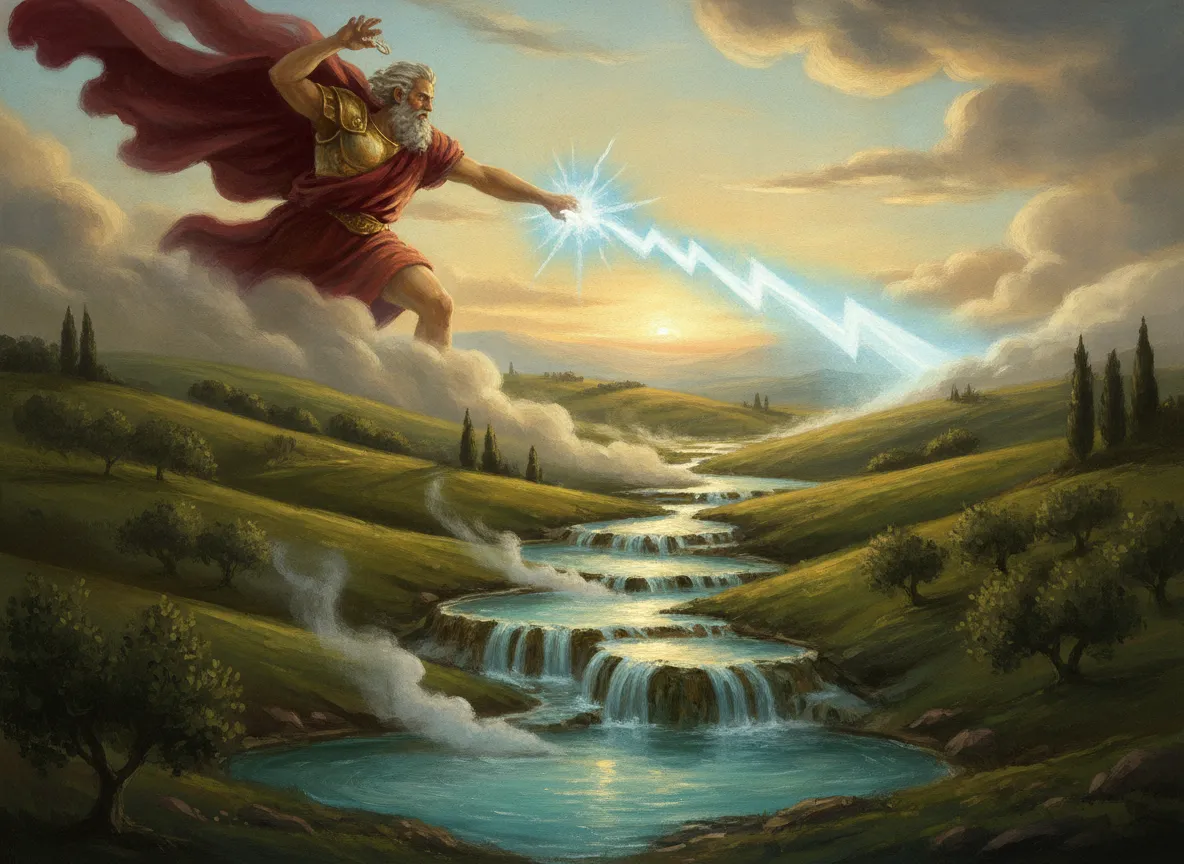
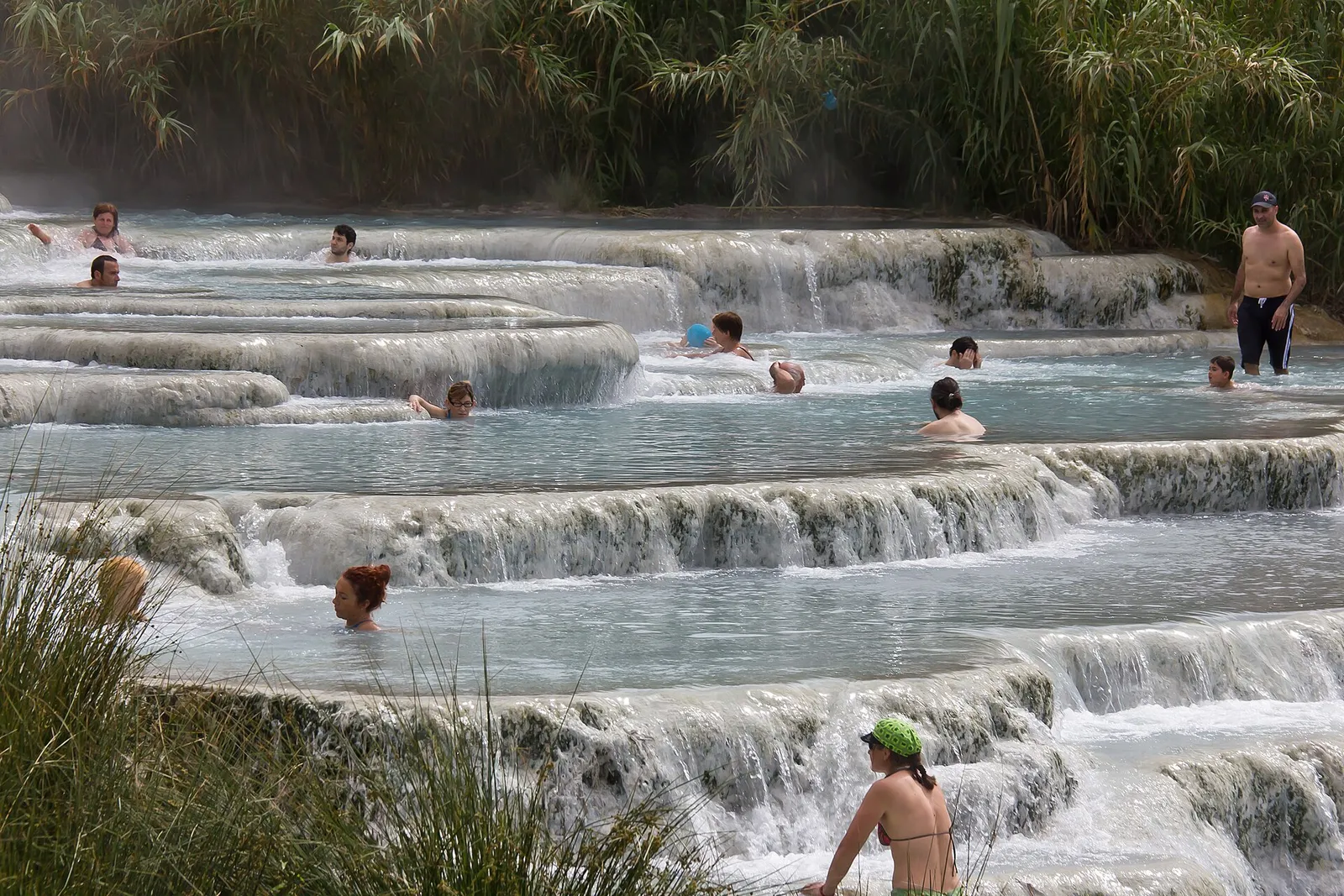
It begins with the water. Legend tells that it was here, in this land of soft hills, that the god Saturn — the old king cast down from Olympus by his own son — wandered the peninsula in exile until he came to rest in the Maremma. And it was here that the wrath of the gods broke loose: a thunderbolt split the earth, and from that wound warm, sulphurous waters began to flow, to soothe the furies of men and of beasts. Science calls it a thermal spring at 37.5 degrees; our tour leads, as the water slides over you at sunset, tell you the other version, the older one. The Cascate del Mulino are free and open day and night, all year round: in the evening, when the coaches have gone and only the vapour rising into the dark remains, you understand why the Etruscans and the Romans held this place sacred.
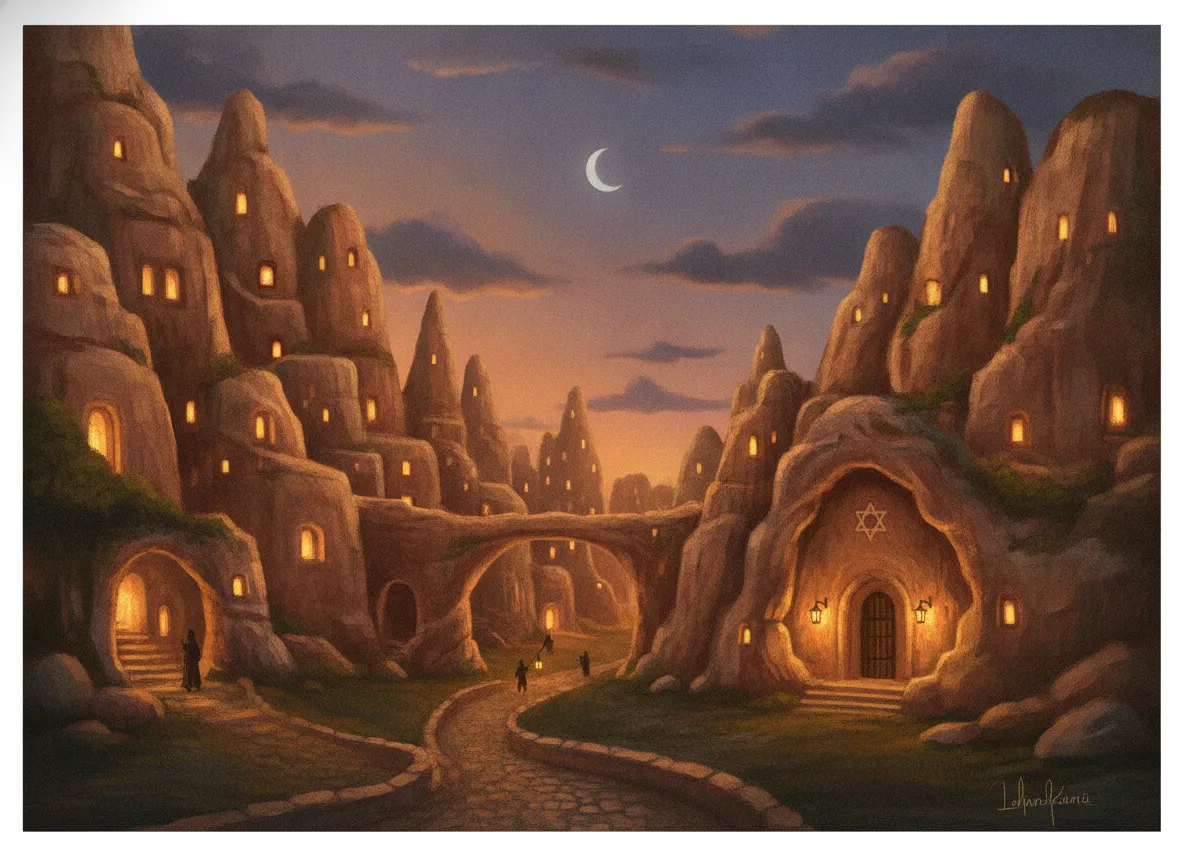
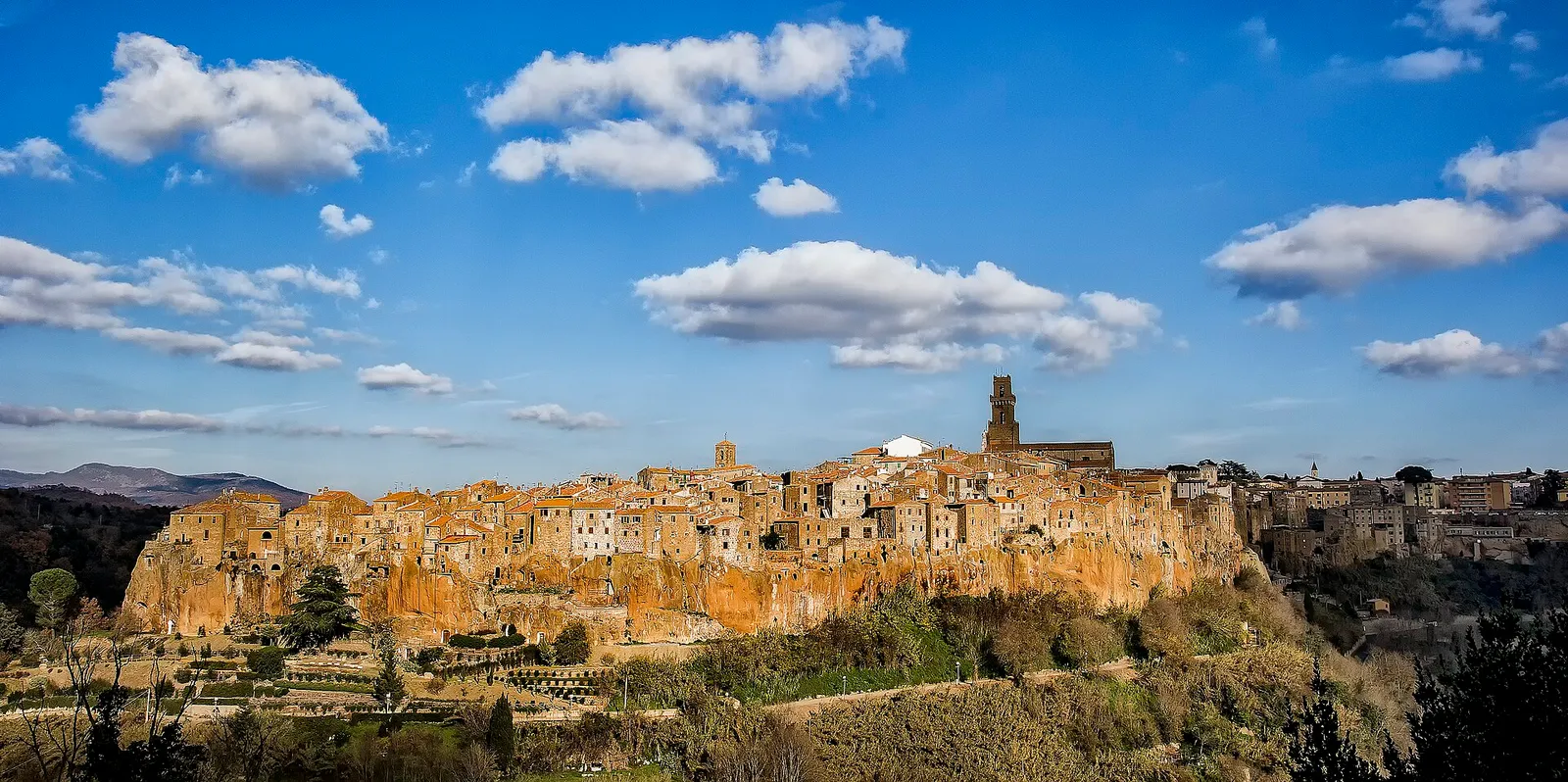
Then you climb towards the tufa. Pitigliano appears all at once from a bend in the road, suspended over the void on a spur of volcanic rock, the houses seeming to sprout from the cliff. They call it "the Little Jerusalem": from the late sixteenth century this village welcomed Jews fleeing Rome and the Papal States, and for centuries people lived here together in peace. In the heart of the old ghetto you still step into the sixteenth-century synagogue, and then down, carved into the tufa, the unleavened-bread oven, the kosher wine cellar, the ritual bath, the slaughterhouse. It is a memory our tour leads do not recite: they let you touch it, stone by stone.
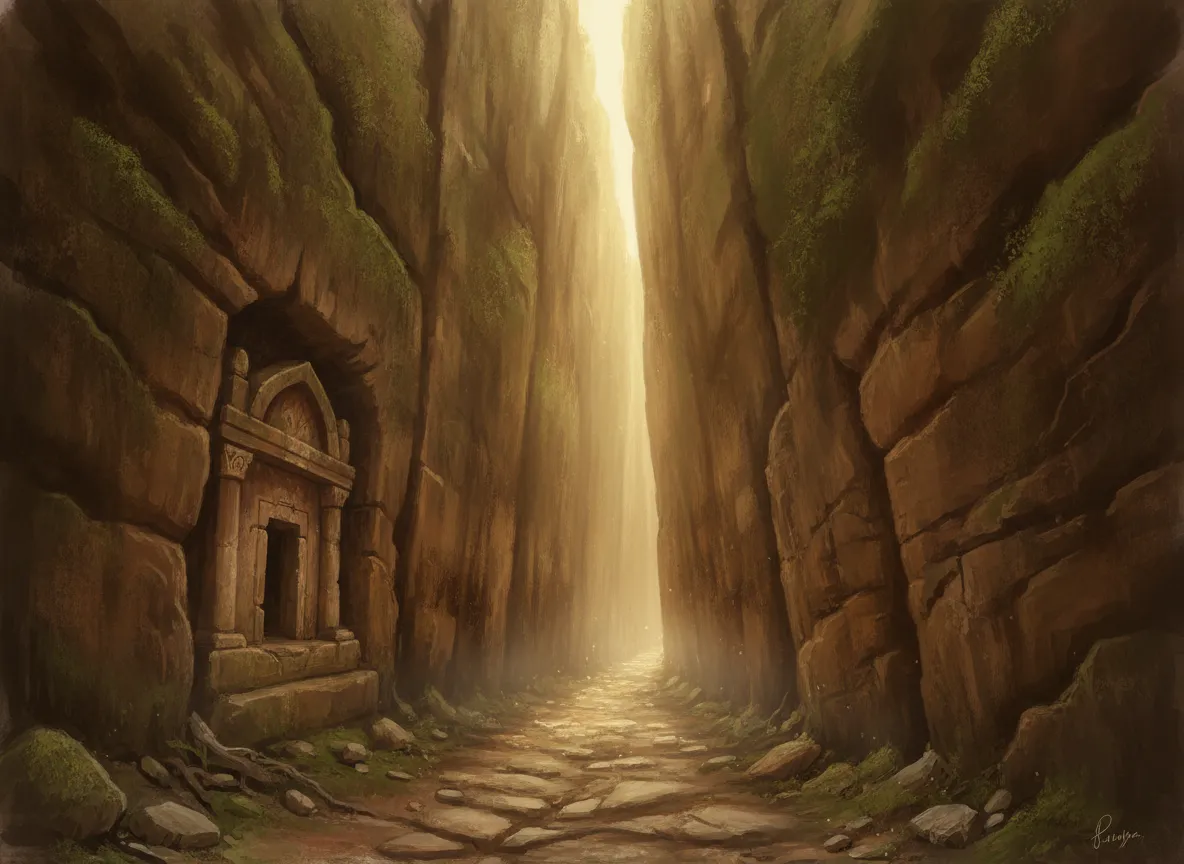
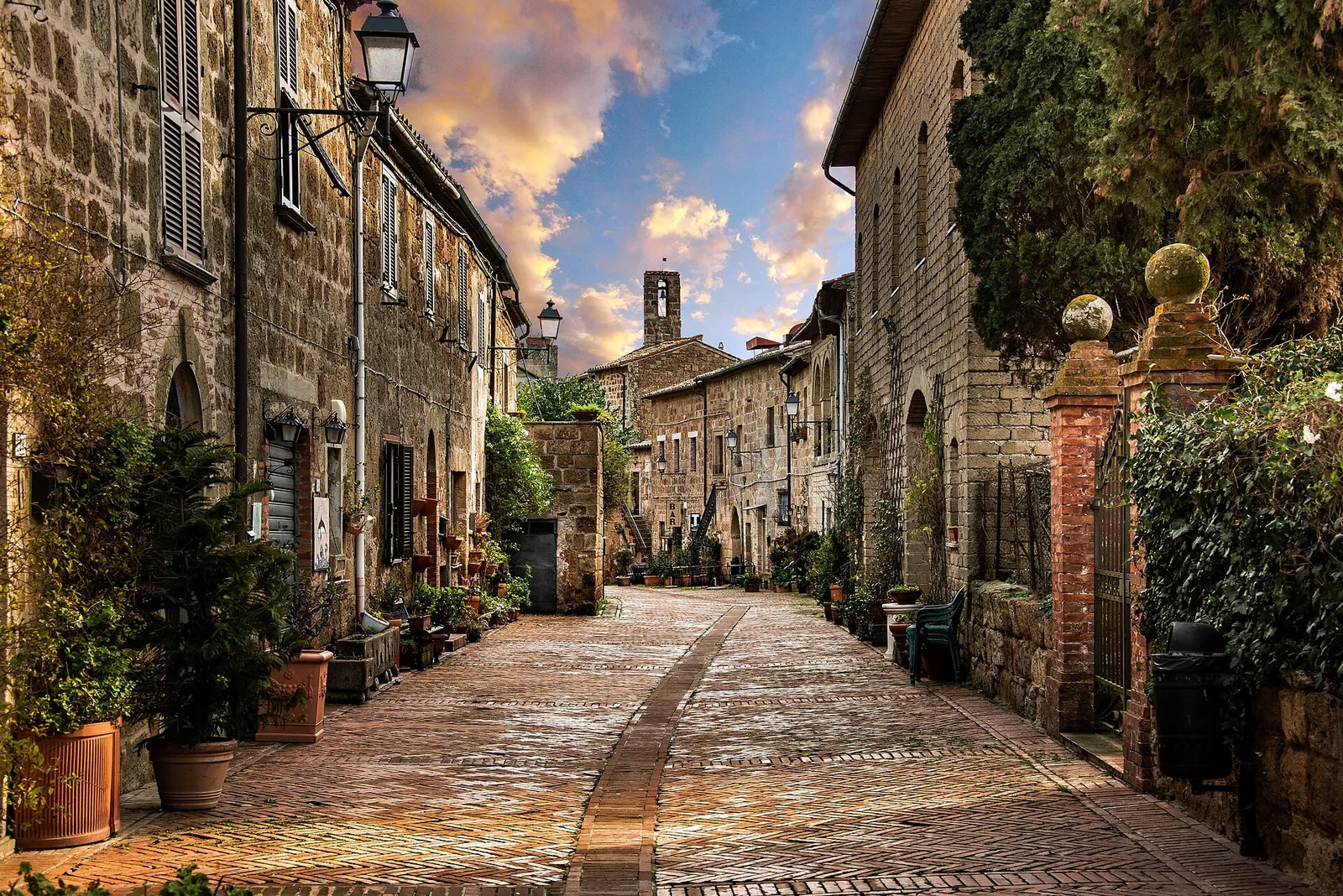
Finally, the silence of the Etruscans. A few kilometres away Sovana guards one of the most solemn necropolises of Etruria, monumental tombs sculpted into the rock between the seventh and sixth centuries before Christ — the Ildebranda Tomb, dedicated to the Sovana-born Hildebrand who became Pope Gregory VII, is a temple carved from stone. And between one village and the next run the Vie Cave: corridors as deep as twenty-five metres, cut by hand by the Etruscans into the heart of the tufa. You walk inside them as in a roofless nave, the walls rising sheer above your head: no one knows for certain why they were dug, and for that very reason they never stop speaking.
What you'll live
The Cascate del Mulino at sunset
Travertine basins shaped by the sulphurous water at 37.5°, free and open day and night: the vapour rising into the dark when no one else is there.
Pitigliano, the Little Jerusalem
The village suspended over the tufa, the sixteenth-century synagogue and the ghetto's chambers carved into the rock: the unleavened-bread oven, the mikveh, the kosher cellar.
The Vie Cave of the Etruscans
Corridors as deep as twenty-five metres, cut by hand into the tufa: you walk inside them as into a mystery that has lasted two and a half thousand years.
The necropolis of Sovana
Monumental tombs sculpted into the stone, among them the Ildebranda Tomb dedicated to the pope born here: solemn Etruria hidden in the woods.
Stories of the villages
Every village on the journey keeps a story. Here are the ones your tour lead will bring back to life.
 01
01 Saturnia — Il fulmine che generò le acque
Narra il mito che il dio Saturno, stanco di vedere gli uomini farsi sempre più bellicosi e crudeli, scagliò sulla terra di Maremma un fulmine d'ira. La saetta mancò il bersaglio, squarciò il terreno e da quella ferita cominciò a sgorgare un'acqua calda e sulfurea: bevendola, dicono, gli uomini e le bestie placavano i loro furori e ritrovavano la pace. Gli etruschi chiamarono il luogo Aurinia; furono i romani a legarne il nome alla leggenda del dio e a battezzarlo Saturnia.
Oggi quell'acqua scende ancora a 37,5 gradi alle Cascate del Mulino, modellando vasche di travertino libere e aperte giorno e notte. Il tuo tour lead ti ci porta all'ora vuota, quando i pullman se ne sono andati: resta solo il vapore che sale nel buio, l'odore di zolfo nell'aria tiepida e il borbottio dell'acqua sui gradini di pietra. È lì, immerso fino al collo sotto le stelle, che capisci perché questo luogo è sacro da tremila anni.
 02
02 Pitigliano — La Piccola Gerusalemme nel tufo
Quando, sul finire del Quattrocento, gli ebrei cominciarono a lasciare uno Stato Pontificio che si faceva ostile, molti trovarono rifugio qui, sotto la protezione dei conti Orsini, su questo sperone di tufo lontano dalle leggi che altrove ne limitavano la libertà. Per secoli, in questo borgo sospeso sul vuoto, cristiani ed ebrei convissero in pace, tanto che Pitigliano si guadagnò il nome di "Piccola Gerusalemme". Nel cuore dell'antico ghetto si innalzò la sinagoga, e tutt'intorno la comunità scavò la propria vita nella roccia stessa.
Ancora oggi si scende, gradino dopo gradino, nel ventre della rupe: il forno delle azzime, il bagno rituale del mikvé, la cantina dove si fa il vino kasher, la tintoria, il macello. Il tuo tour lead non recita questa storia, te la fa toccare con le mani sulle pareti fresche di tufo, mentre dall'alto filtra la luce delle finestre. È una memoria di tolleranza scolpita nella pietra, che qui non si è mai spenta del tutto.
 03
03 Sovana — Le Vie Cave e la Tomba Ildebranda
Da Sovana, intorno all'anno Mille, partì un bambino di nome Ildebrando, destinato a salire sul soglio di Pietro come Gregorio VII e a diventare uno dei papi più potenti del Medioevo. Al suo nome è legata, molti secoli dopo, la più solenne delle tombe della necropoli etrusca: la Tomba Ildebranda, scolpita nel tufo tra il III e il II secolo avanti Cristo come un vero tempio a colonne, con la facciata intagliata direttamente nella roccia. Gli etruschi che la costruirono restano senza volto e senza nome, e proprio per questo il monumento non smette di interrogare chi vi arriva.
Per raggiungerla si percorrono le Vie Cave: corridoi profondi fino a venticinque metri, intagliati a mano dagli etruschi nel cuore del tufo. Il tuo tour lead te ne fa attraversare una a piedi nel tardo pomeriggio, quando la luce entra di taglio e accende il muschio sulle pareti verticali. Ci si cammina dentro come in una navata senza tetto, in un silenzio antico: nessuno sa con certezza perché furono scavate, ed è questo mistero a renderle indimenticabili.
Dal mito di Saturno alla Piccola Gerusalemme
Etruschi, Romani e una comunità ebraica accolta tra le rupi hanno stratificato in questa terra di tufo una memoria rara: si passa dalle acque sacre di Saturnia alle necropoli scavate nella roccia, fino al ghetto sospeso di Pitigliano. Ecco le tappe che il tuo tour lead ti farà toccare con mano.
- III–II sec. a.C.
La Tomba Ildebranda
A Sovana gli etruschi scolpiscono nel tufo la più monumentale delle tombe della necropoli, un tempio a colonne dedicato — nel nome moderno — a Ildebrando di Sovana.
- 1073–1085
Ildebrando diventa papa
Ildebrando di Sovana sale al soglio pontificio come Gregorio VII: il piccolo borgo del tufo dà i natali a uno dei papi più potenti del Medioevo.
- 1569 e 1593
Gli ebrei trovano rifugio
Espulsi dallo Stato Pontificio, molti ebrei si stabiliscono a Pitigliano sotto la protezione dei conti Orsini: nasce la comunità della futura Piccola Gerusalemme.
- 1598
La sinagoga nel tufo
Viene edificata la sinagoga di Pitigliano; sotto il tempio si scavano il forno delle azzime, il bagno rituale, la cantina e il macello kasher.
- 1966
Il Bianco di Pitigliano DOC
Con decreto del 28 marzo, il Bianco di Pitigliano è tra i primi vini italiani a ottenere la Denominazione di Origine Controllata, sesto in ordine cronologico.
We treat Saturnia, Pitigliano and Sovana as the three movements of a single symphony, stitched to your own pace: no coach parties, but private transfers among the hills, stops in the right cellars and tables chosen one by one. You descend to the free thermal pools at the empty hour, you enter the ghetto of Pitigliano with someone who knows its stories, you walk a Via Cava when the light cuts across the tufa from the side. There is time for a glass of Bianco di Pitigliano — one of the first Italian wines to earn the DOC, in 1966 — drunk where it is born, and for the plain, honest cooking of the Maremma, made of acquacotta, tortelli and game.
Those who want the full ritual of well-being can alternate the free cascades with the elegance of the Terme di Saturnia, with their pools and muds. Every stage has its own local tour lead: people born here or who chose to stay, able to open doors — and tales — that no printed guidebook knows.
The journey map
When to go
What's included
- Tour lead narratore dedicato
- Trasferimenti privati sul posto
- Alloggi di charme selezionati
- Esperienze e degustazioni in programma
- Assistenza Furore 24/7
Not included
- Viaggio a/r per la località di partenza
- Pasti non indicati nel programma
- Mance ed extra personali
- Assicurazione viaggio (facoltativa)
Dove dormirai
Scegliamo a mano ogni alloggio: niente catene anonime, ma luoghi con un'anima, nel cuore dei borghi o affacciati sul paesaggio.
Dimore storiche
Palazzi e case di pietra nel centro dei borghi, tra mura antiche e silenzio.
Boutique hotel
Piccoli hotel di charme, con vista, servizio curato e atmosfera intima.
Agriturismi e cantine
Ospitalità autentica tra vigne, ulivi e tavole vere, dove ti accolgono come a casa.
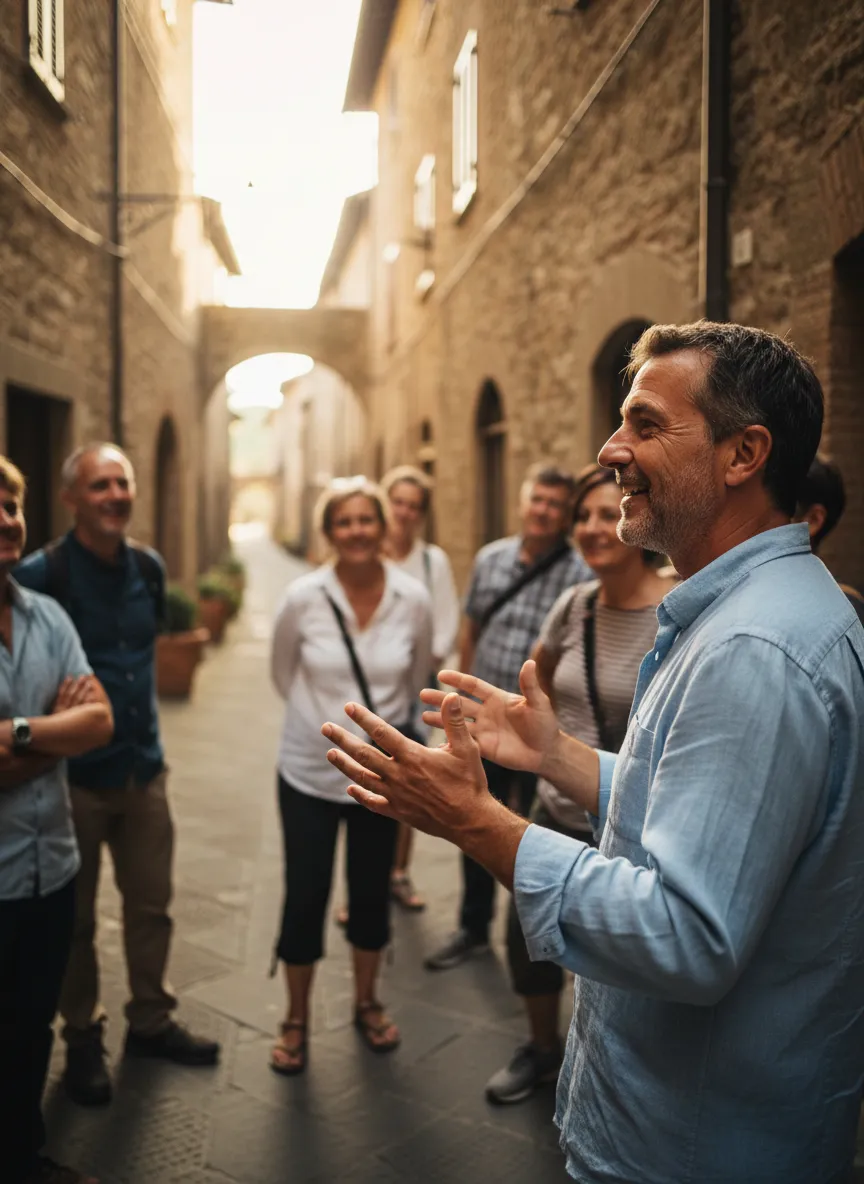
Il tuo tour lead
Non un accompagnatore qualunque: un narratore del territorio, nato qui o che ha scelto di restarci. Conosce le storie vere, le porte da aprire e i tempi giusti. È la persona che trasforma un bel viaggio in un ricordo indimenticabile.
A sample itinerary
- Day 1
Saturnia and the warm waters
Arrival in the Maremma of the tufa and a first dip in the Cascate del Mulino at the empty hour. An honest dinner of acquacotta and a glass of the local wine.
- Day 2
Pitigliano, the Little Jerusalem
The village suspended on the cliff, the synagogue and the ghetto carved into the tufa; a tasting of Bianco di Pitigliano where it is born.
- Day 3
Sovana and the Vie Cave
The Etruscan necropolis and the Ildebranda Tomb in the woods; in the afternoon a Via Cava walked on foot as the light slants in.
- Day 4
Sorano, Vitozza and well-being
Sorano perched high and the rock settlement of Vitozza; a farewell among the muds and pools of the Terme di Saturnia.
Frequently asked
Are the Cascate del Mulino really free and open at night?
Yes: the free thermal springs of Saturnia are accessible free of charge day and night, all year round. We take you there at the quietest hours, far from the crowds, and the full Terme di Saturnia experience is available too.
How many days do you need for Saturnia, Pitigliano and Sovana?
We recommend 3–5 days to enjoy the springs, the tufa towns and the necropolis at a calm pace, with short transfers and time for the table and the wine.
Is it a good trip for couples?
Very much so: thermal springs at sunset, villages suspended in air and charming places to stay among the hills make it perfect for romantic escapes and honeymoons too.
What makes Pitigliano special?
It is carved into the tufa and guards an extraordinary Jewish heritage — the synagogue and the ghetto, which earned it the name "Little Jerusalem" — told by those who truly know those stones.
More villages to discover
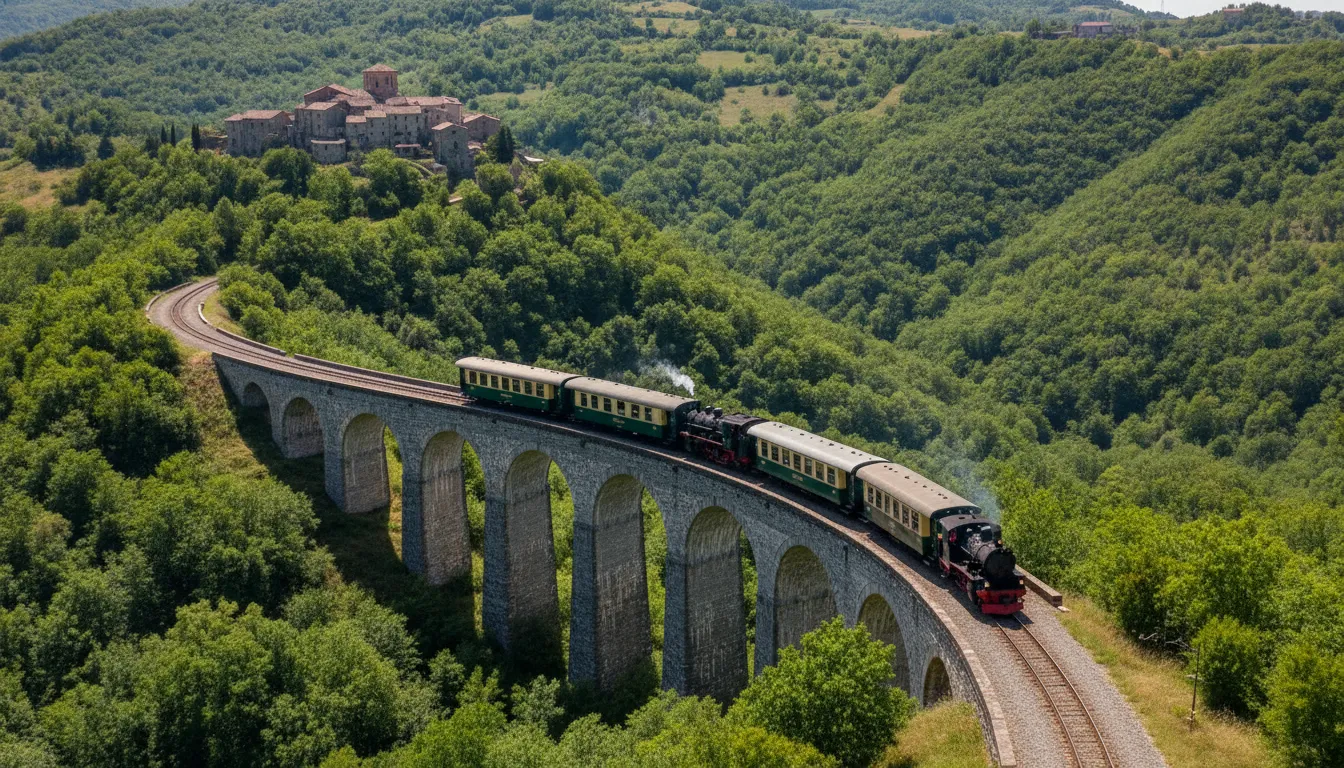 Abruzzo
 The Transiberiana d'Italia and the villages of Abruzzo
Abruzzo · Sulmona, Pescocostanzo, Cocullo, Campo di Giove
A slow train through the wild heart of the Apennines
Explore the village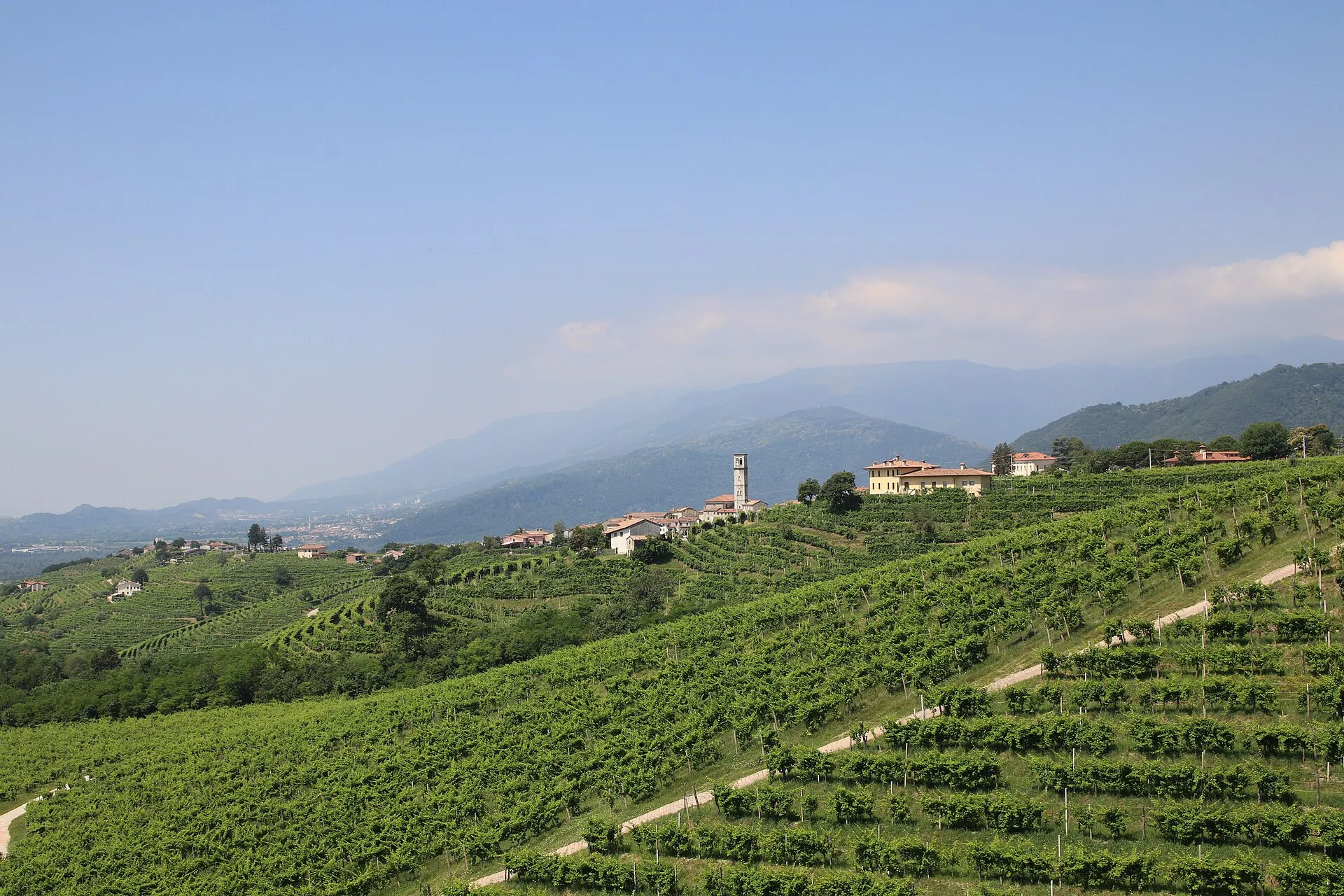 Veneto
 The Prosecco Hills
Veneto · Valdobbiadene, Conegliano and the UNESCO rive
Hand-stitched hills where the light of the Prealps turns into wine
Explore the village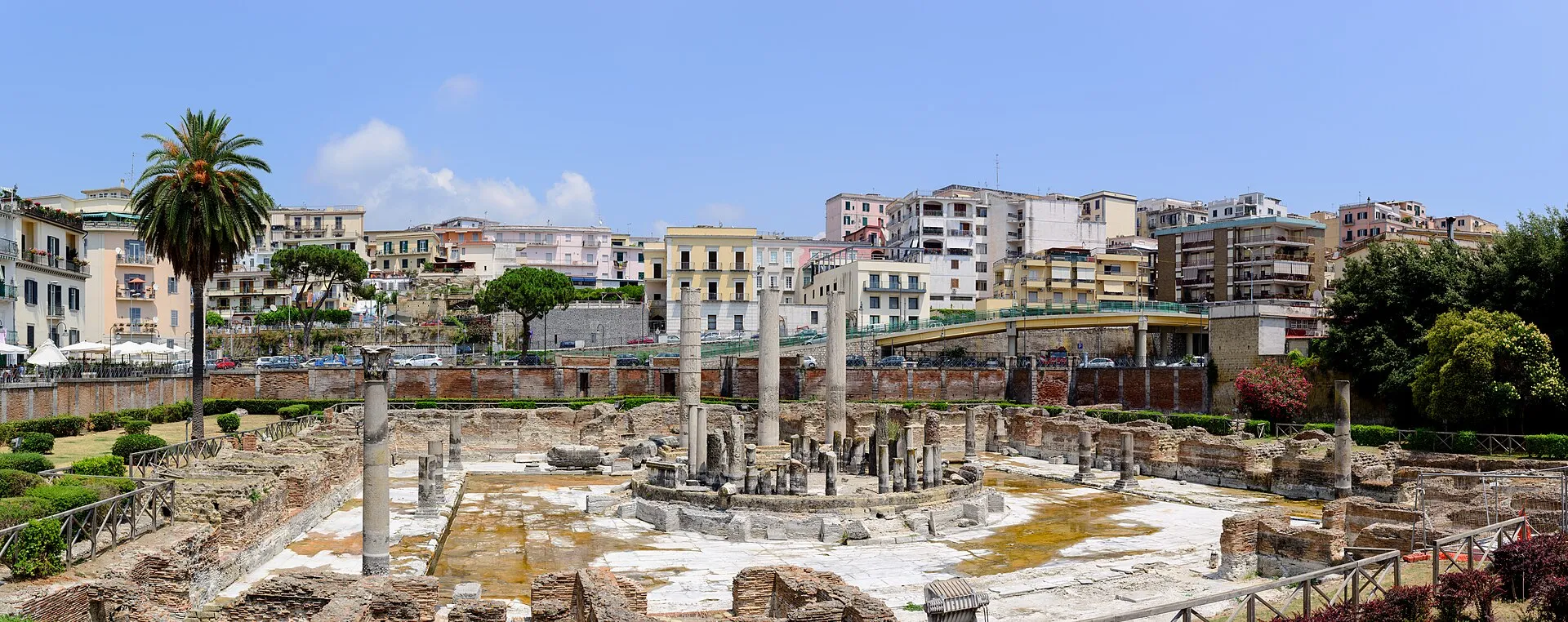 Campania
 Rione Terra and the Campi Flegrei
Campania · Pozzuoli, Cuma, Baia
The land that burns, breathes and keeps the oracles
Explore the villageReady to truly set off?
Choose the experience that calls you: the details, the stories and the right thresholds are on us.