
Abruzzo · Sulmona, Pescocostanzo, Cocullo, Campo di Giove
The Transiberiana d'Italia and the villages of Abruzzo
A slow train through the wild heart of the Apennines
- Scenic trains
- Mountains
- Hiking
- History & art
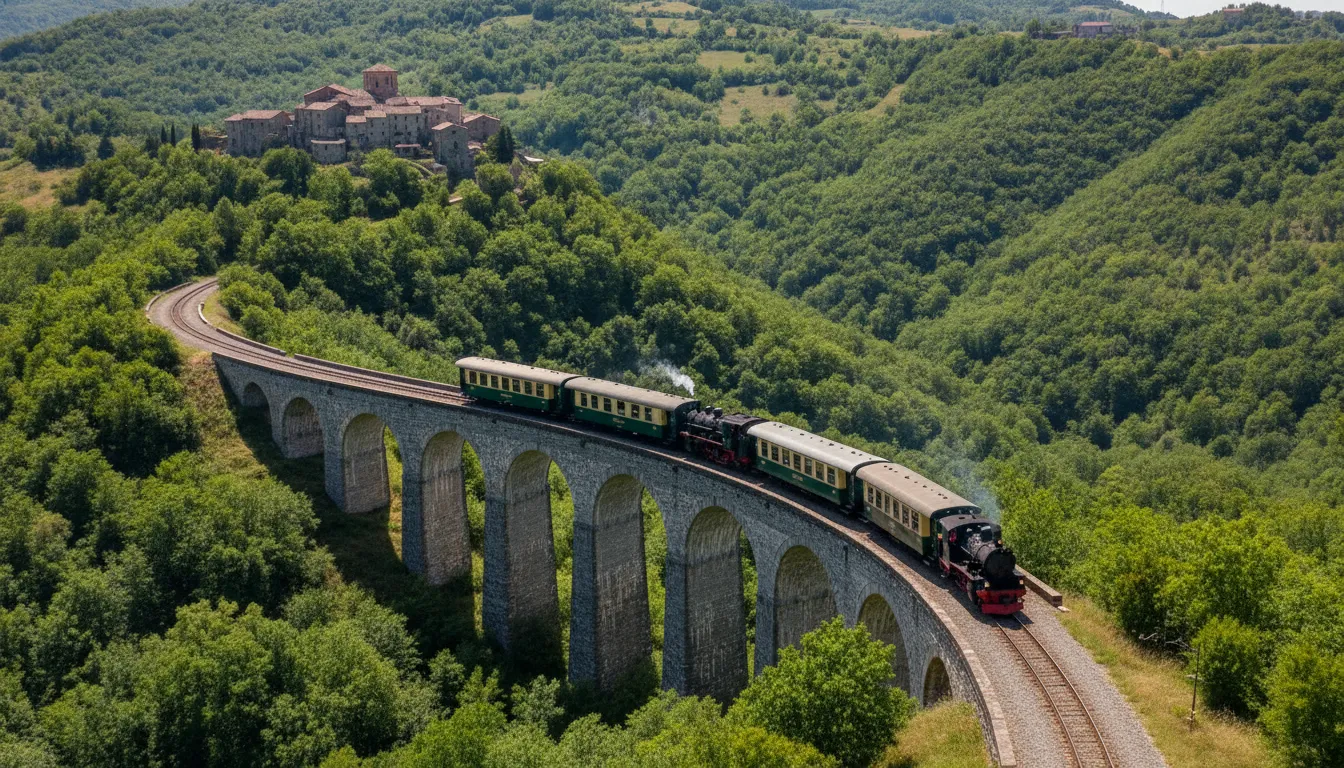
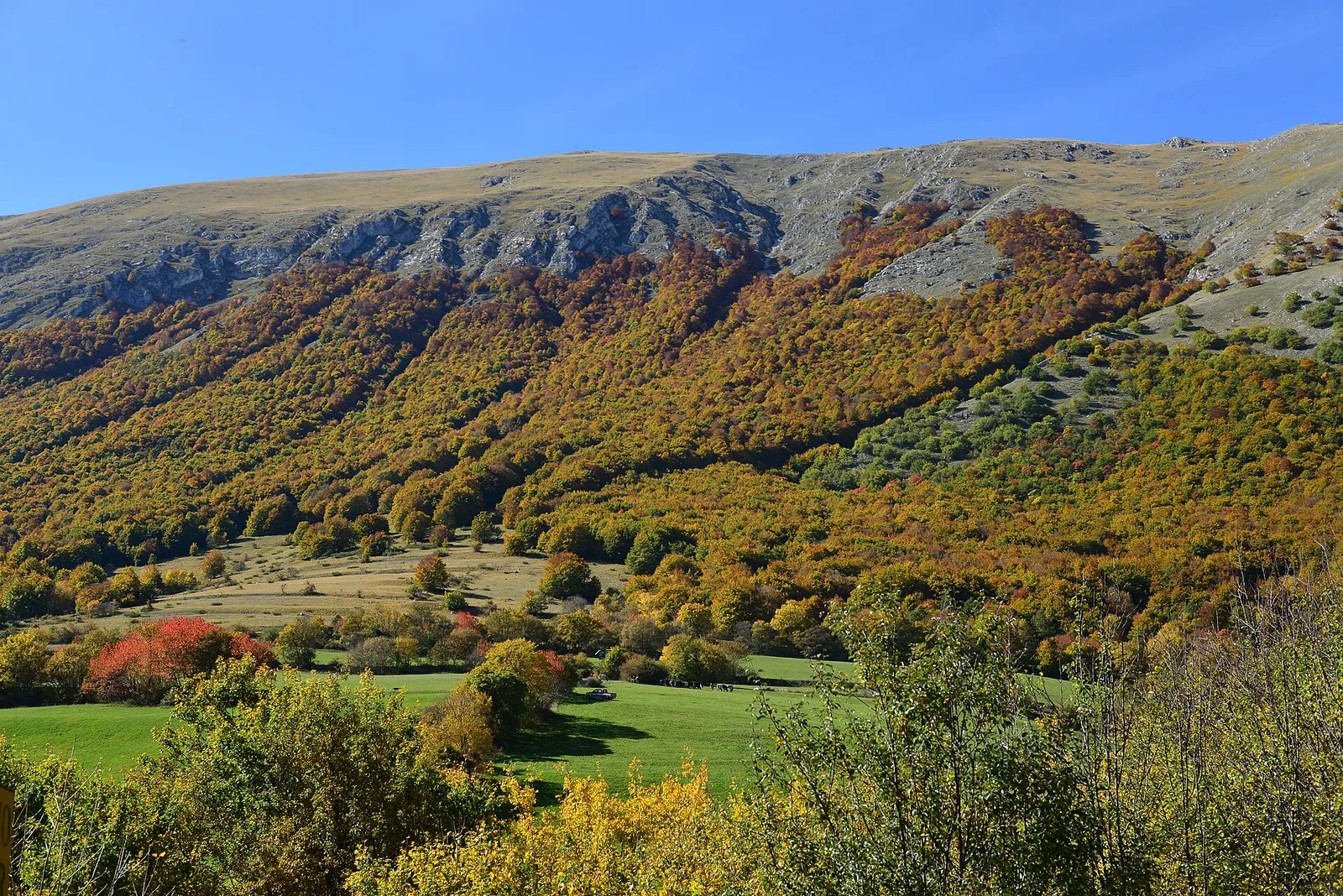
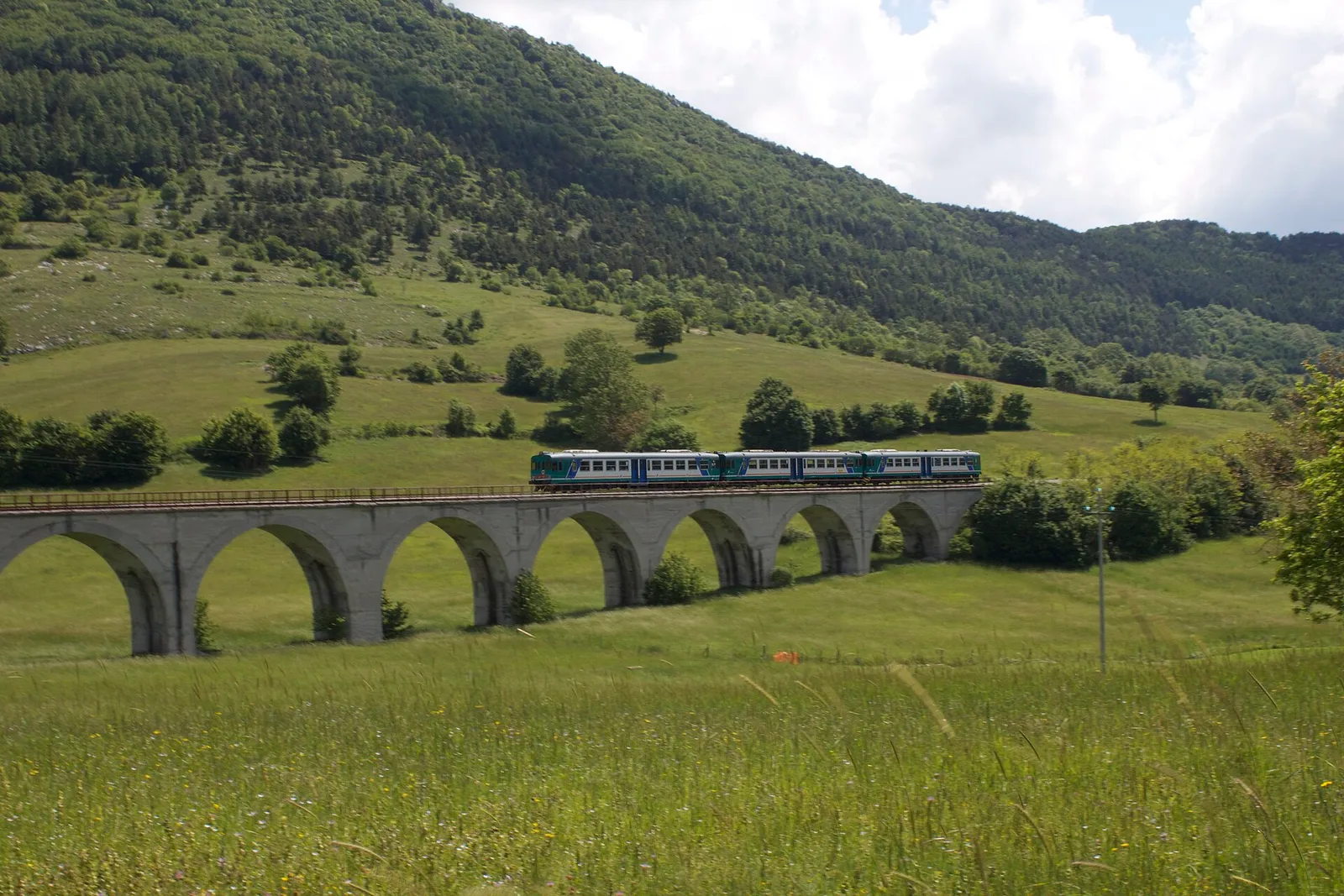
For over a century a train has climbed the high plateaus of Abruzzo, with wooden carriages and windows low over the snow. They call it the Transiberiana d'Italia, and it crosses a land of wolves, sugared almonds, lace and snake-charmers. This is no railway excursion: it's the thread that stitches together the most secret villages of the Maiella.
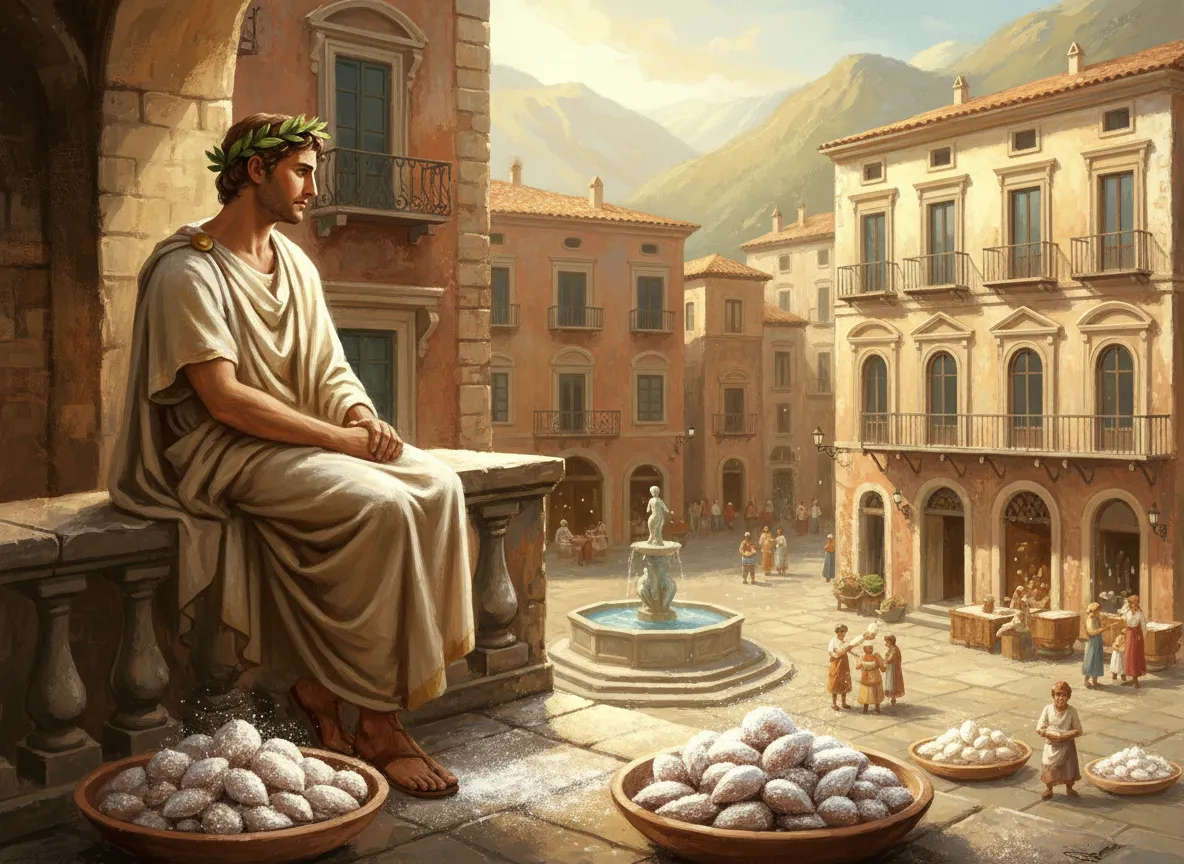
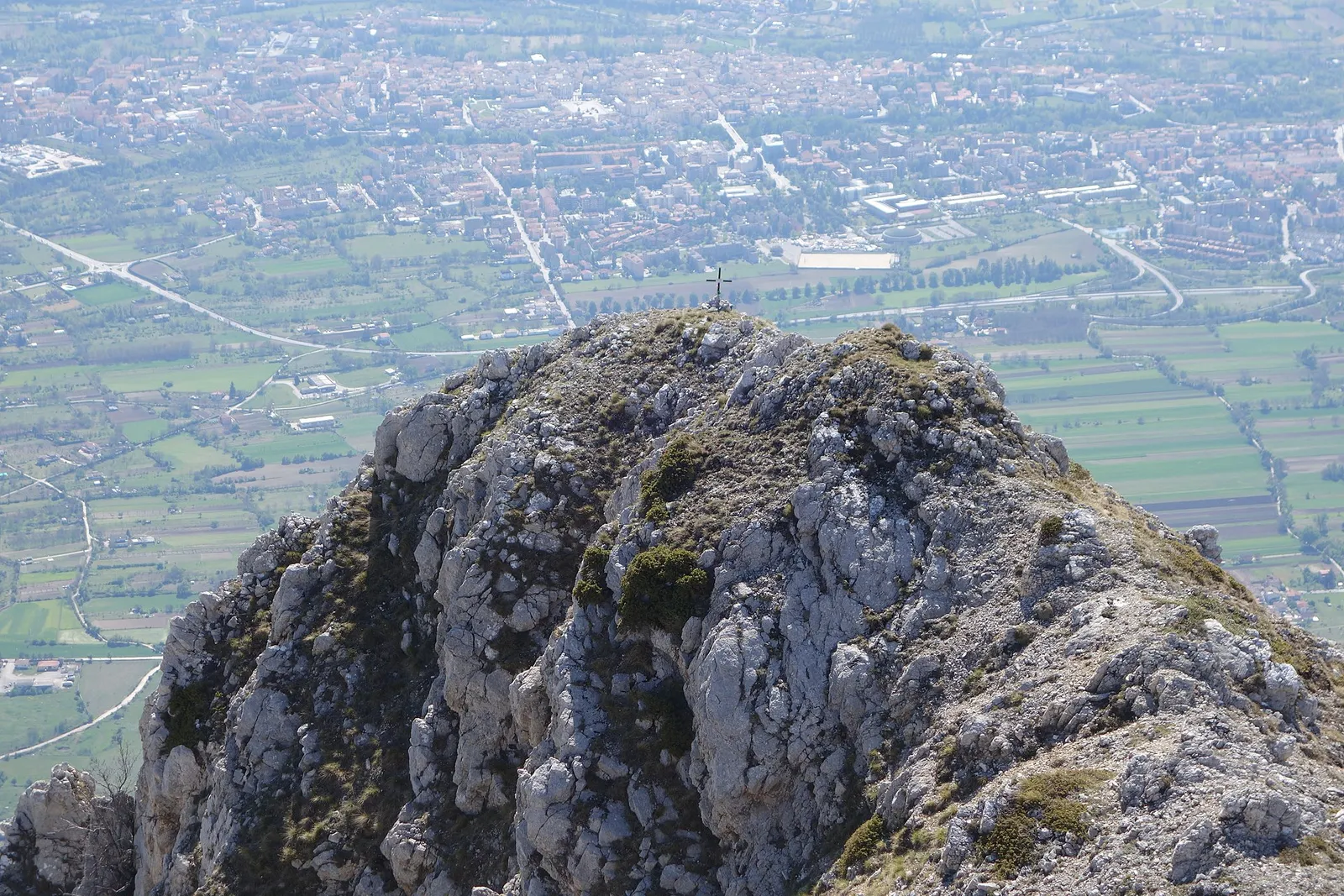
It all begins in Sulmona, the city of Ovid. The poet of love was born here in 43 BC, and his name still runs the length of the main street, among the palazzi and the great Piazza Garibaldi, one of the widest in Italy. But Sulmona is also the city of confetti, the sugared almonds: our tour leads take you into the workshops where almonds are dressed in sugar by hand, as — so tradition tells — was already done in the monasteries of the Valle Peligna. And it is here, at the station, that the train begins to climb.
The Transiberiana d'Italia is the old Sulmona–Carpinone railway, opened in 1897 after years of tunnels carved into the rock and viaducts flung across the void. The nickname did not come from those who built it: it was coined in 1980 by the journalist Luciano Zeppegno, who, watching it vanish beneath the blizzards of the high plains, called it "the little Trans-Siberian". It climbs to the station of Rivisondoli-Pescocostanzo, at 1,268 metres: the second highest in Italy after the Brenner Pass. In winter, when the Altopiano delle Cinque Miglia becomes a vast white silence, you understand where that name comes from.
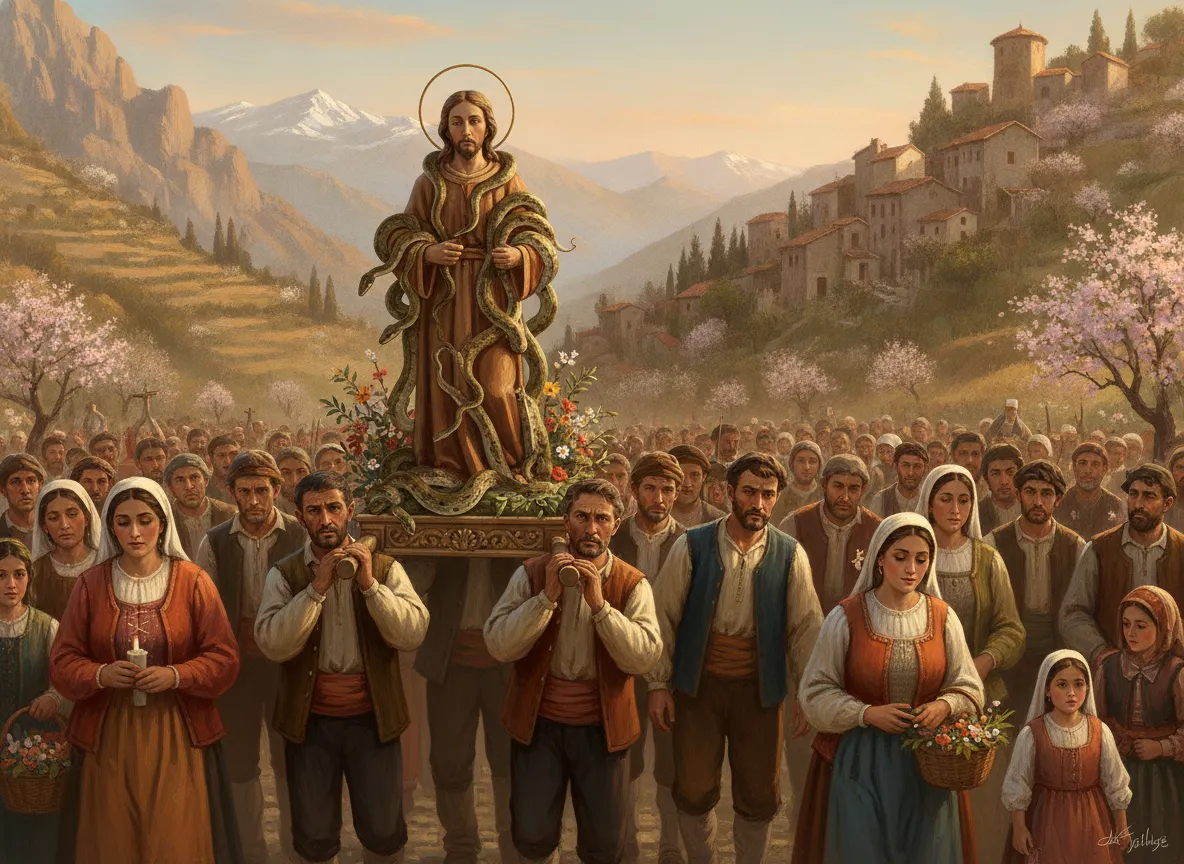
And then there are the villages, each with its own voice. Cocullo, where on the first of May the snake-charmers drape the statue of San Domenico in living serpents, in a rite whose roots reach down into the cult of the goddess Angizia, the Marsian lady of snakes and of healing. Pescocostanzo, a jewel of Renaissance stone and bobbin lace, rebuilt after the earthquake of 1456 by master craftsmen from Lombardy. Anversa degli Abruzzi, suspended above the Sagittario Gorges that inspired D'Annunzio's "La fiaccola sotto il moggio". Three different Abruzzos, one single land.
What you'll live
The Transiberiana under the snow
The run in period carriages across the whitened plateaus, up to the second highest station in Italy.
Sulmona, Ovid and the sugared almonds
The city of the poet of love, its Baroque squares and the workshops where the almond is dressed in sugar by hand.
The snake rite of Cocullo
The feast of San Domenico, where Christian faith and the ancient cult of the goddess Angizia intertwine among the serpents.
Pescocostanzo, stone and lace
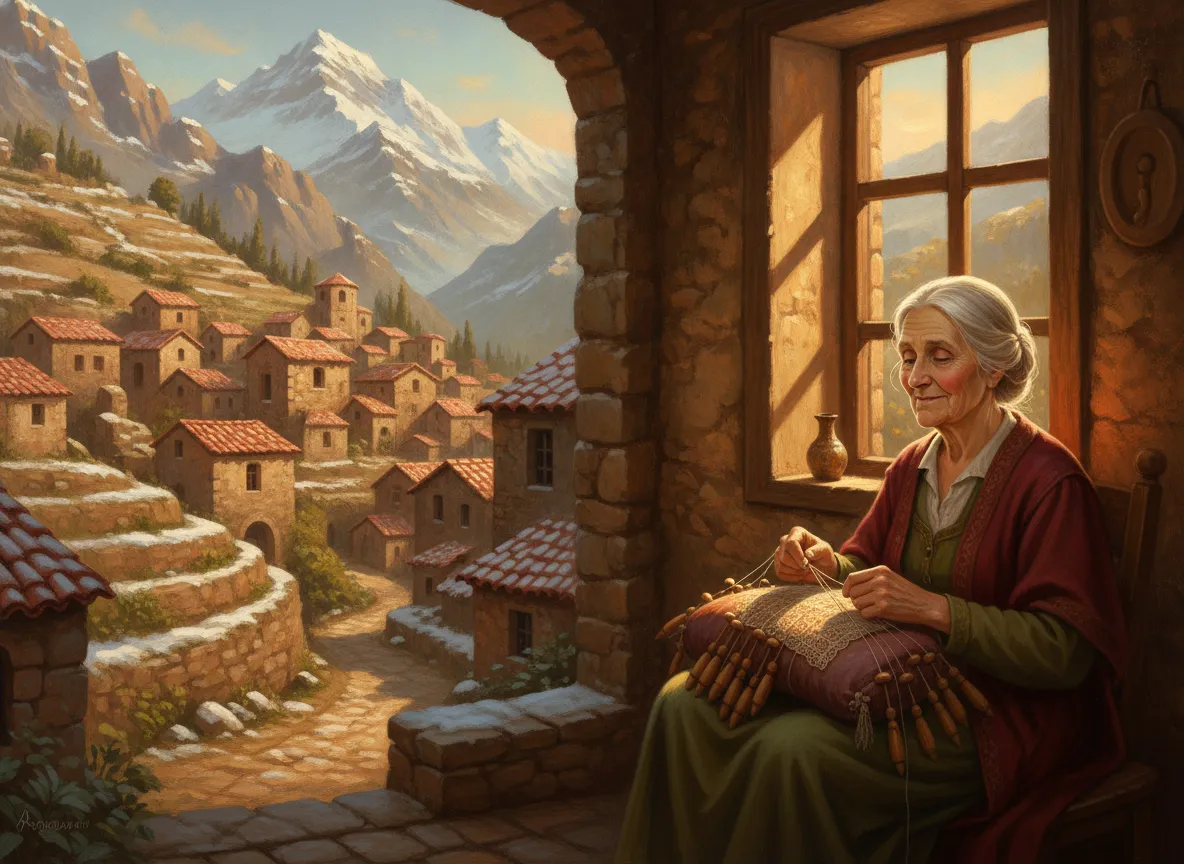
A Renaissance village at 1,400 metres, between carved portals and bobbin lace handed from hand to hand.
Stories of the villages
Every village on the journey keeps a story. Here are the ones your tour lead will bring back to life.
 01
01 Cocullo — Il rito dei serpari e la dea Angizia
Molto prima che arrivasse il cristianesimo, in questa terra marsica si venerava Angizia, la dea-maga sorella di Medea e di Circe che — racconta il mito — con il canto sapeva ammansire i serpenti e guarire dai veleni: ai suoi piedi, lungo le sponde del Fucino, si offrivano serpi nei riti di primavera. Quando San Domenico abate attraversò Cocullo, intorno all'anno Mille, la devozione antica si fuse con quella nuova: si dice che il santo liberasse i campi dalle serpi e dai morsi, lasciando in dono un suo dente molare, ancora oggi custodito come reliquia.
Così, ogni 1° maggio, i serpari catturano serpenti vivi nelle settimane prima della festa e li custodiscono con cura, finché a mezzogiorno — finita la Messa — li drappeggiano sulla statua di San Domenico portata in processione tra la folla. Il tuo tour lead ti accompagna dentro il santuario nel rito più intimo: tirare con i denti la corda della piccola campana, gesto che da secoli si fa per chiedere protezione dal mal di denti. È il momento in cui senti, sotto le dita, quanto sia ancora vivo un culto di tremila anni.
 02
02 Sulmona — Ovidio, il poeta dell'amore, e i confetti
«Sulmo mihi patria est», Sulmona è la mia patria: così Publio Ovidio Nasone, nato qui nel 43 a.C., legò per sempre il proprio nome a questa città. Il cantore dell'amore e delle Metamorfosi è ovunque, lungo il corso che porta il suo nome e nella vasta Piazza Garibaldi, una delle più ampie d'Italia. Ma Sulmona è anche la città dei confetti, un'arte dolciaria fiorita qui dal Quattrocento: una mandorla vestita di zucchero, senza amido né farina, regalata nei secoli a imperatori e a viaggiatori del Grand Tour come Goethe.
Il tuo tour lead ti porta nelle botteghe storiche — c'è chi confeziona confetti dal 1783 — dove vedi nascere i celebri fiori di Sulmona: petali di tulle riempiti di confetti colorati, fatti a mano uno per uno. Tra il profumo di mandorla tostata e lo scintillio dello zucchero, capisci perché qui il poeta dell'amore e il dolce degli sposi abitano la stessa piazza.
 03
03 Pescocostanzo — La rinascita in pietra e il merletto a tombolo
Nel 1456 un violento terremoto rase al suolo gran parte del borgo. Da quella ferita nacque, paradossalmente, la sua bellezza: per ricostruire arrivarono maestranze lombarde che portarono con sé scalpellini, ferrari e orafi, e con le loro famiglie un patrimonio di saperi. Rinacque così la Pescocostanzo che si vede oggi, fatta di palazzi nobiliari, portali scolpiti e vicoli lastricati, dominata dalla Basilica di Santa Maria del Colle ricostruita pochi anni dopo il sisma.
Furono le donne di quegli artigiani a introdurre il merletto a tombolo, l'arte che ha reso il borgo celebre nei secoli. Il tuo tour lead ti porta da una merlettaia, dove il ritmo dei fuselli di legno sul cuscino accompagna fili sottilissimi che si intrecciano in disegni di una precisione incredibile. È un suono antico, minuto e ostinato, che racconta come da un terremoto possano nascere la pietra più elegante d'Abruzzo e un filo che non si è mai spezzato.
Un secolo di rotaie tra i monti
Da Ovidio ai serpari, dalla pietra rinascimentale alle nevi degli altopiani: la storia di questa terra corre lungo i binari. Ecco le tappe che il tuo tour lead ti farà attraversare.
- 43 a.C.
Nasce Ovidio a Sulmona
Il poeta dell'amore dà a Sulmona fama eterna: ancora oggi la città lo celebra lungo Corso Ovidio e nella vasta Piazza Garibaldi.
- 1456
Il terremoto e i maestri lombardi
Dopo il sisma, Pescocostanzo rinasce in pietra grazie a maestranze lombarde: nasce il borgo rinascimentale del merletto a tombolo.
- 1897
La Ferrovia dei Parchi
Viene inaugurata la linea Sulmona–Carpinone, tra gallerie e viadotti, fino alla stazione di Rivisondoli-Pescocostanzo a 1.268 m.
- 1980
Nasce la «Transiberiana d'Italia»
Il giornalista Luciano Zeppegno conia il soprannome vedendo il treno sparire tra le bufere dell'Altopiano delle Cinque Miglia.
- 2014
Il ritorno del treno storico
La linea rinasce come ferrovia turistica con carrozze d'epoca: oggi è uno dei treni panoramici più amati d'Italia.
We craft this itinerary as a journey stitched around you, alternating the historic train's runs with private transfers between the villages: no coach parties, but small groups and couples, stops in the right workshops and tables chosen one by one. In Sulmona you step in where the sugared almonds are truly born; on the Transiberiana you travel in period carriages, windows open onto the Maiella; in Pescocostanzo you watch the lace take shape under the fingers of those who have handed it down for generations.
Every stage has its own local tour lead: people born here or who chose to stay, able to introduce you to a snake-charmer of Cocullo or a shepherd who knows the tracks of the wolf. For in these parks the Marsican brown bear and the Apennine wolf still live, the true wild heart of the Apennines: we don't promise them like a zoo, but we teach you to read their presence.
The journey map
When to go
What's included
- Tour lead narratore dedicato
- Trasferimenti privati sul posto
- Alloggi di charme selezionati
- Esperienze e degustazioni in programma
- Assistenza Furore 24/7
Not included
- Viaggio a/r per la località di partenza
- Pasti non indicati nel programma
- Mance ed extra personali
- Assicurazione viaggio (facoltativa)
Dove dormirai
Scegliamo a mano ogni alloggio: niente catene anonime, ma luoghi con un'anima, nel cuore dei borghi o affacciati sul paesaggio.
Dimore storiche
Palazzi e case di pietra nel centro dei borghi, tra mura antiche e silenzio.
Boutique hotel
Piccoli hotel di charme, con vista, servizio curato e atmosfera intima.
Agriturismi e cantine
Ospitalità autentica tra vigne, ulivi e tavole vere, dove ti accolgono come a casa.
Il tuo tour lead
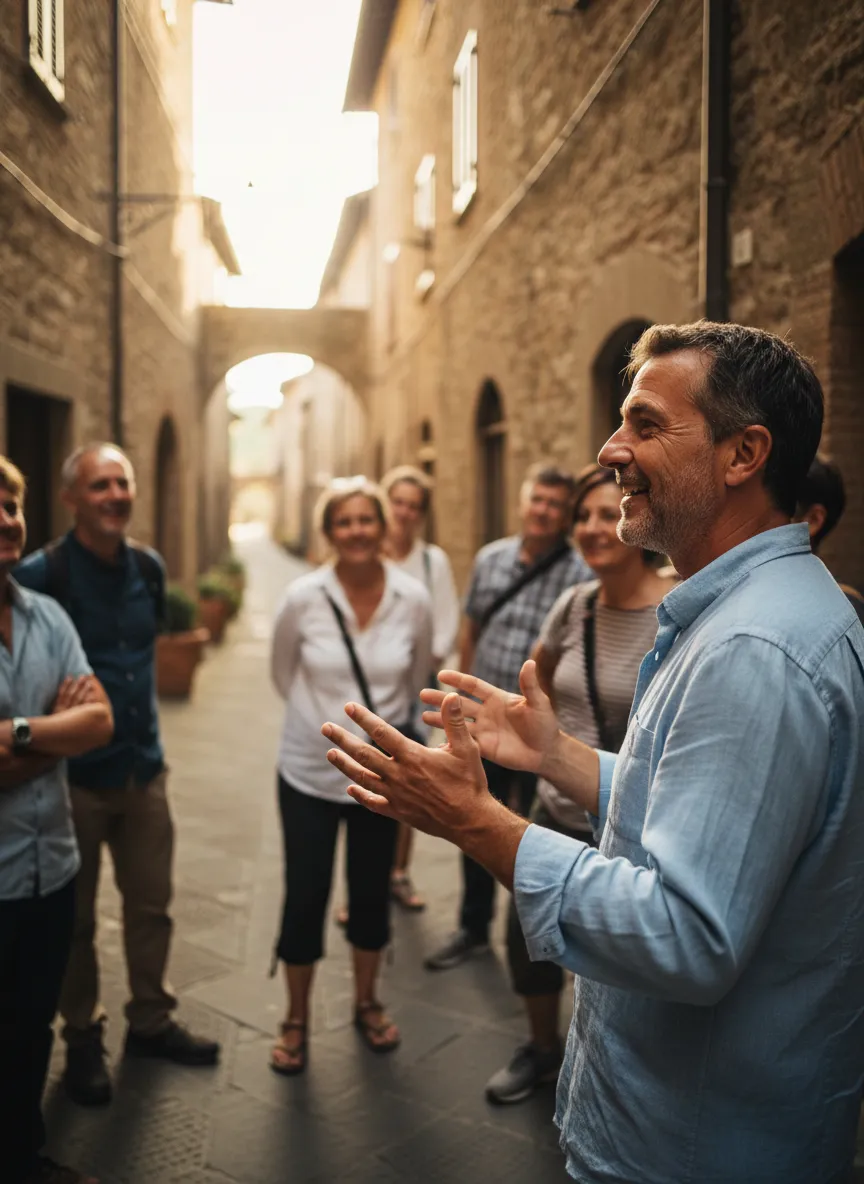
Non un accompagnatore qualunque: un narratore del territorio, nato qui o che ha scelto di restarci. Conosce le storie vere, le porte da aprire e i tempi giusti. È la persona che trasforma un bel viaggio in un ricordo indimenticabile.
A sample itinerary
- Day 1
Sulmona, city of Ovid
Arrival and a stroll along Corso Ovidio to Piazza Garibaldi. A visit to a sugared-almond workshop and dinner in the Peligna kitchen.
- Day 2
Aboard the Transiberiana
The historic train from Sulmona towards the plateaus: Campo di Giove at the foot of the Maiella, Roccaraso and the Altopiano delle Cinque Miglia.
- Day 3
Pescocostanzo and the lace
The jewel-village of Renaissance stone and the Basilica of Santa Maria del Colle; a meeting with a lace-maker and slow time among the alleys.
- Day 4
Cocullo and the Sagittario Gorges
The villages of the snake-charmers and of D'Annunzio: Cocullo, Anversa degli Abruzzi and the Sagittario canyon, between nature and legend.
Frequently asked
When is the best time for the Transiberiana d'Italia?
It depends on the soul you're after: winter for the snow and the Christmas markets, spring and autumn for the colours and villages that are alive yet peaceful. For Cocullo's snake-charmers' feast, the 1st of May.
How many days do you need for this journey in Abruzzo?
We recommend 4–6 days: enough to alternate the historic train's runs with the villages, without stressful transfers and with time to spare for the table and the parks.
Can you really see wolves and bears?
They are free, wild animals, so we don't promise them as a certainty: with our expert tour leads, though, you go to read their tracks in the Maiella National Park, where they live year-round.
Is it right for couples and lovers of slow travel?
Very much so: the unhurried pace, the intimate villages, the period carriages and charming places to stay make it perfect for those who seek authenticity rather than kilometres.
More villages to discover
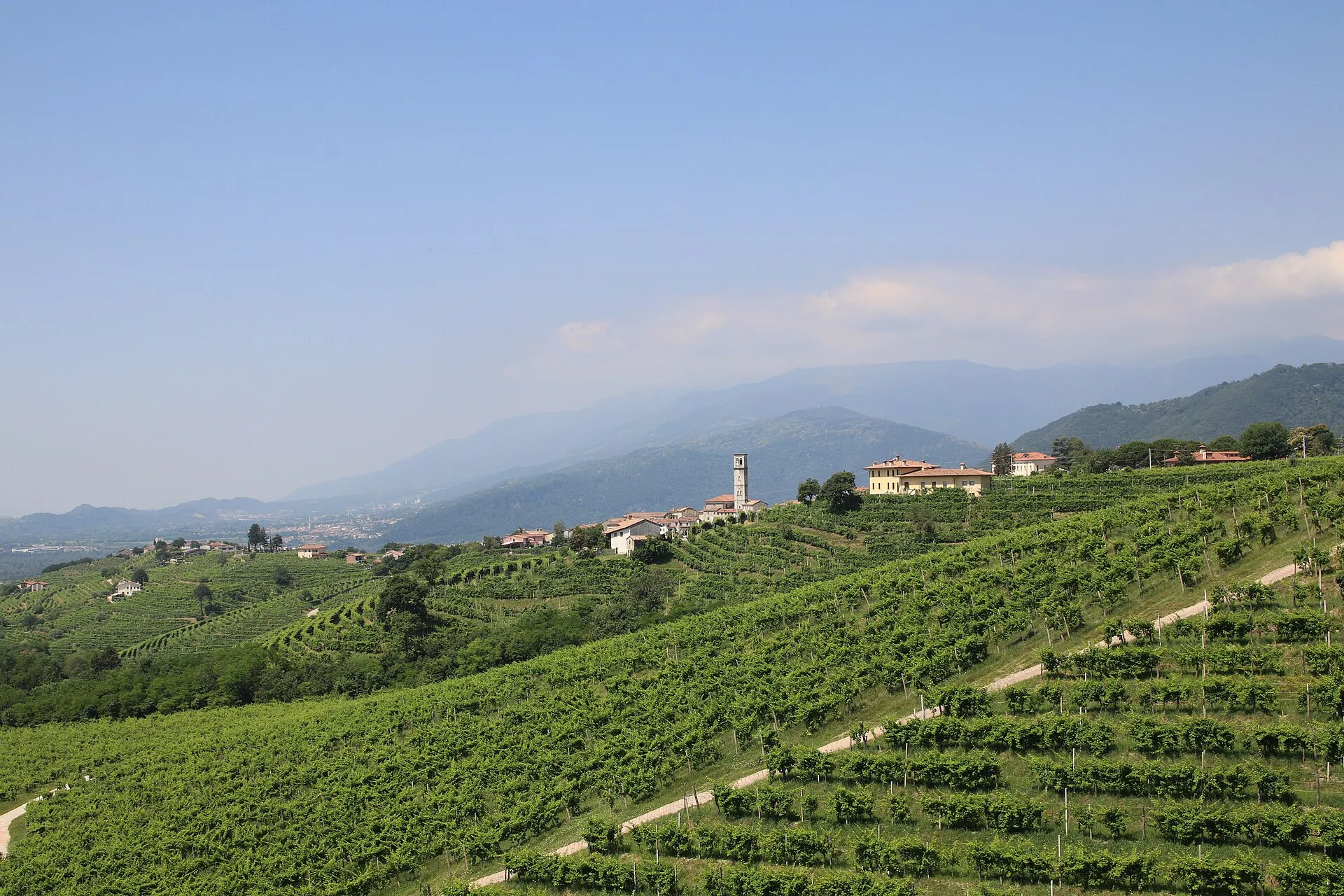 Veneto
 The Prosecco Hills
Veneto · Valdobbiadene, Conegliano and the UNESCO rive
Hand-stitched hills where the light of the Prealps turns into wine
Explore the village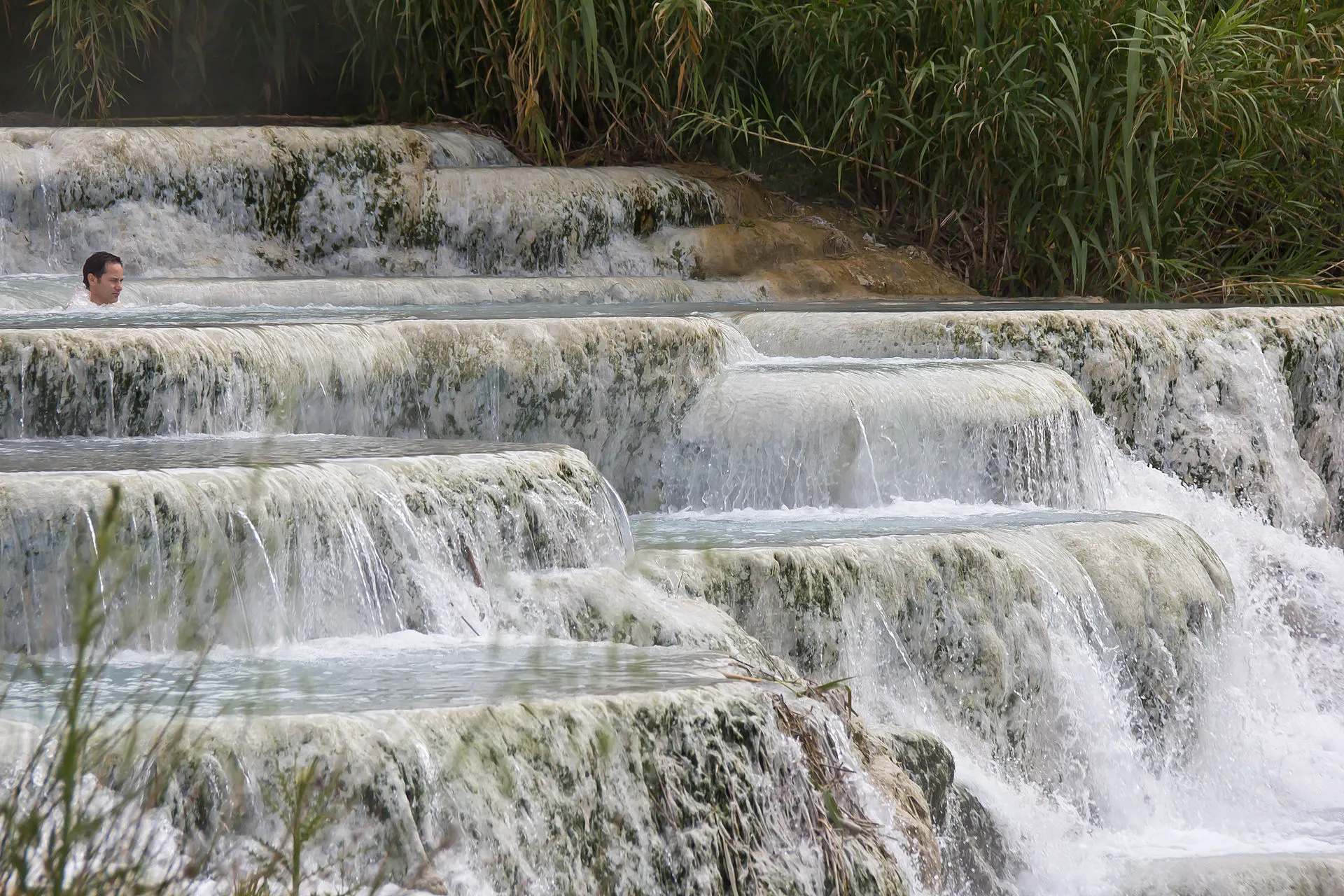 Tuscany
 Saturnia and the Tuscan Maremma
Tuscany · Saturnia, Pitigliano, Sovana
Warm waters born of a thunderbolt and towns carved from tufa
Explore the village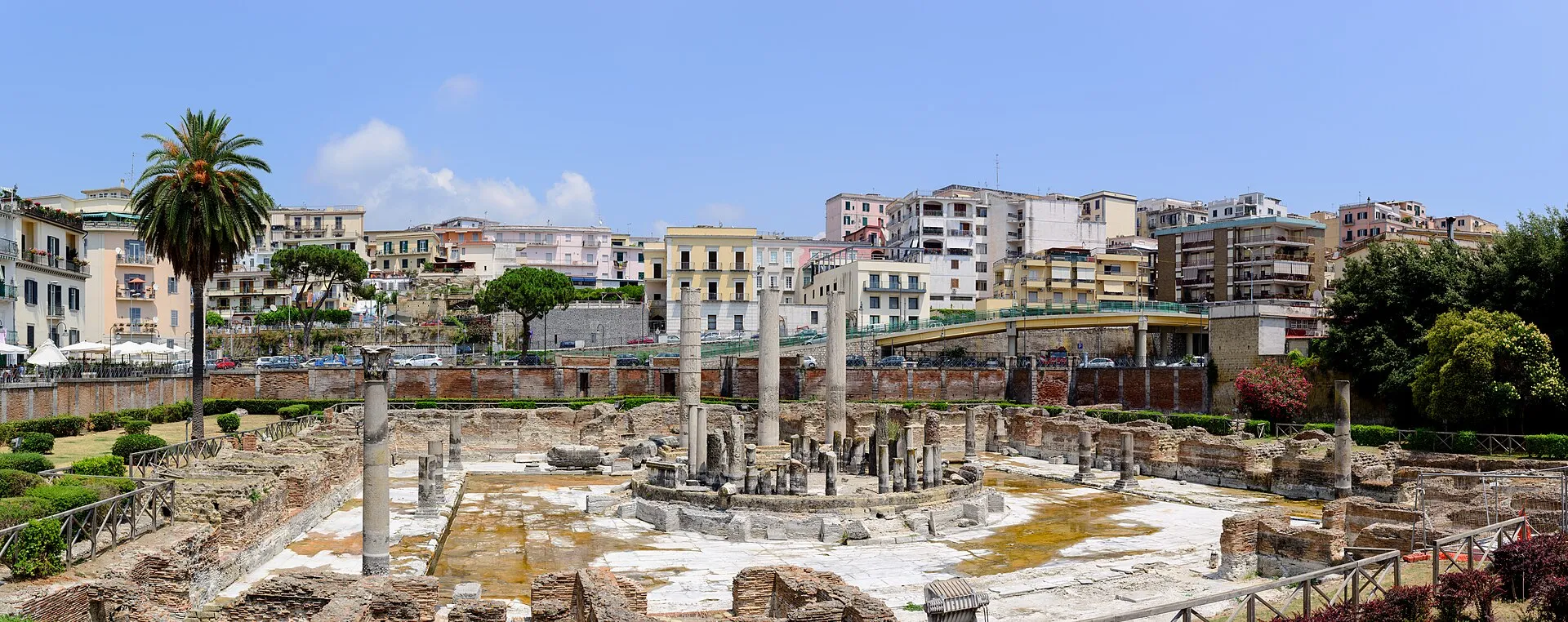 Campania
 Rione Terra and the Campi Flegrei
Campania · Pozzuoli, Cuma, Baia
The land that burns, breathes and keeps the oracles
Explore the villageReady to truly set off?
Choose the experience that calls you: the details, the stories and the right thresholds are on us.