
Campania · Ischia, Procida
Ischia and the Gulf
The green island where the water scalds and the sunset turns red
- Sea & islands
- Thermal baths
- Romantic
An hour by sea from Naples, Ischia is an island that smokes softly from below: thermal waters the Greeks believed divine, a castle on a rock, a fishermen's village with no cars. Beside it, Procida with its pastel colours. For us it is not an excursion: it's our home, in the Gulf of Naples.
Ischia is the oldest Greek colony in the West, and you feel it as you walk. When the sailors of Euboea landed here, around 750 BC, they named the island Pithecusae and grasped one thing at once: from the earth rose a warmth that smelt of a marvel. It was in a tomb at Lacco Ameno that Nestor's Cup was found, a wine cup with three lines incised upon it — among the oldest writings in the Greek alphabet we possess — promising whoever drinks from it the desire of "Aphrodite of the fair crown". Our tour leads take you before that cup, at the Museum of Villa Arbusto, and tell you why an island of boiling water was already speaking of love back then.
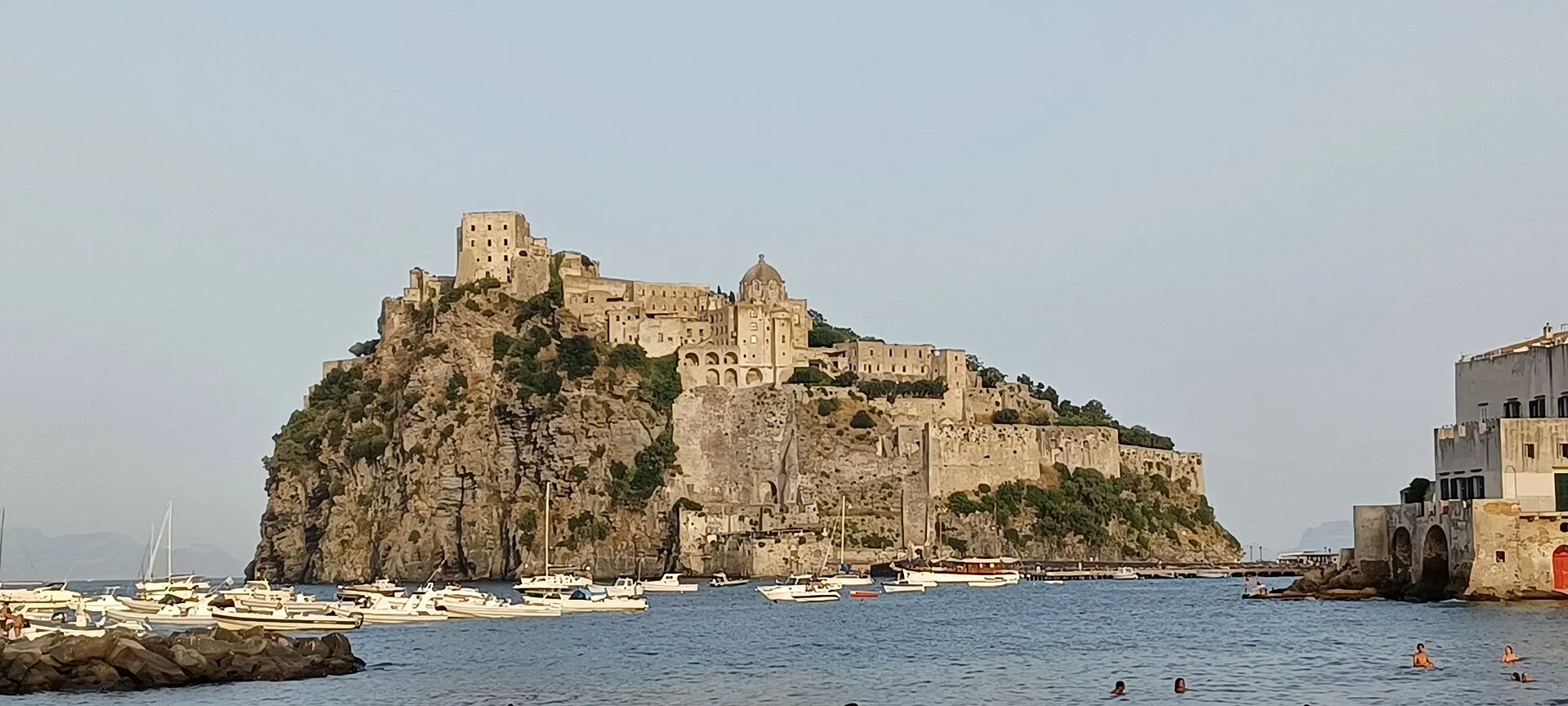
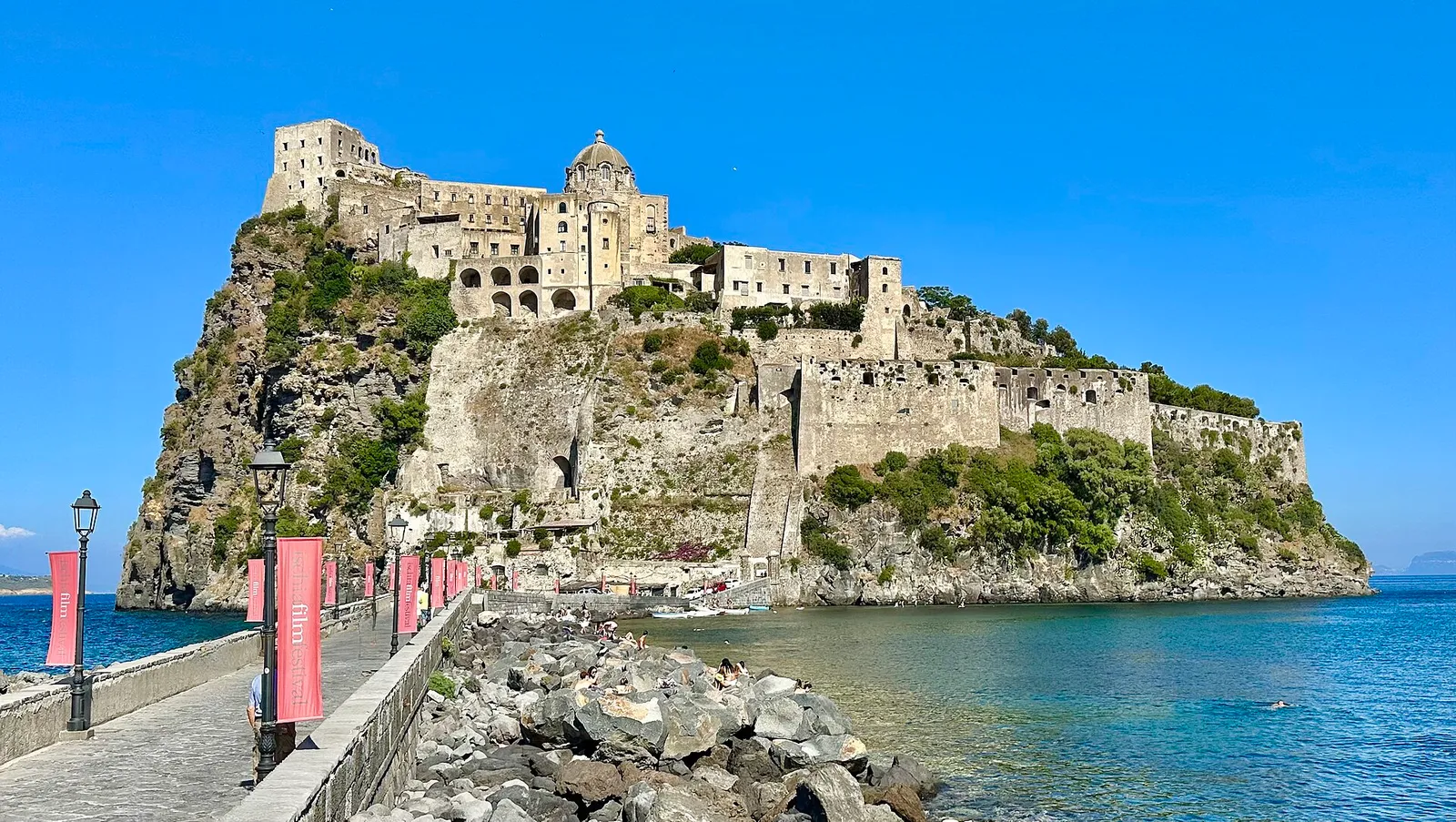
The Aragonese Castle is the stern face of this story. It rises on a rock of green tufa, the "insula minor", severed from the larger island by an eruption two thousand years ago and then rejoined by a stone bridge more than two hundred metres long. Alfonso of Aragon rebuilt it in imposing form in 1441, and for centuries it was an entire island's refuge from the raids of pirates: within the walls lived thousands of families, convents, thirteen churches. We have you climb slowly, between the Poor Clares' garden and the terraces sheer above the sea, until below you there is only the Gulf and you understand that certain stones still protect.
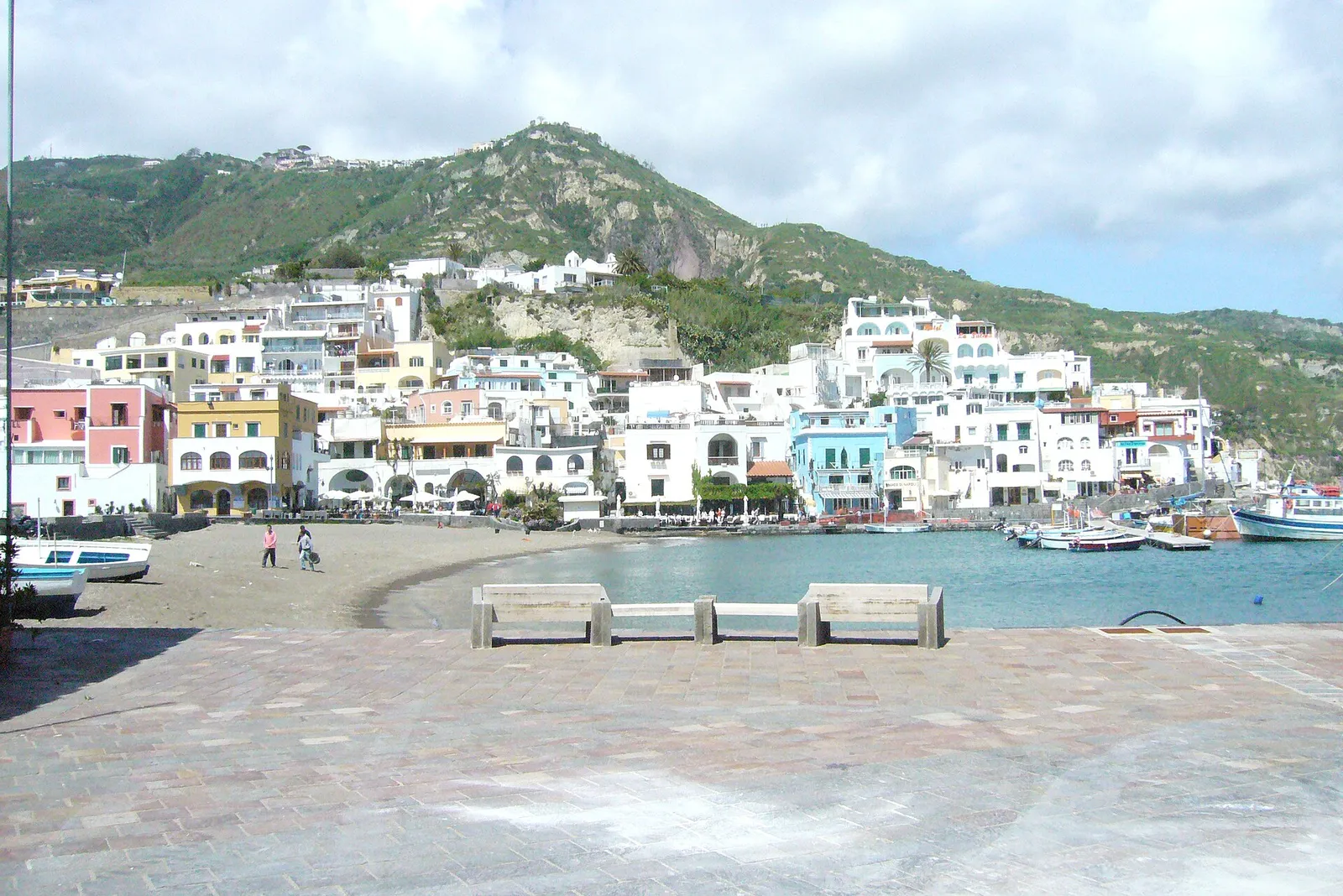
Then there is Sant'Angelo, and here the island becomes a whisper. It is a fishermen's village where cars cannot enter: you leave everything up above and walk down to the little square, while from the harbour a thin tongue of sand leads to the Torre, the rock that closes the bay. Behind it, the Maronti beach and the fumaroles: places where the volcanic vapour escapes from the sand so hot that the fishermen have always cooked their fish beneath it. We show it to you at sunset, when the men bring the boats back in and the village becomes, for an hour, exactly what it was a hundred years ago.
What you'll live
The Aragonese Castle on the rock
A fortress on an islet of green tufa, reached by a stone bridge: terraces sheer above the Gulf and centuries of refuge from the pirates.
Sant'Angelo with no cars
The island's sweetest fishermen's village, the tongue of sand towards the Torre and the Maronti fumaroles, where the vapour escapes hot from the sand.
Thermal baths in the green, by the sea
The Giardini Poseidon in the bay of Citara or the Negombo at San Montano: volcanic waters between 28 and 40 degrees, chosen to suit your rhythm.
The sunset at the Soccorso
The white church of Forio suspended over the water, catching fire in red at sunset, after the musical gardens of La Mortella.
Stories of the villages
Every village on the journey keeps a story. Here are the ones your tour lead will bring back to life.
 01
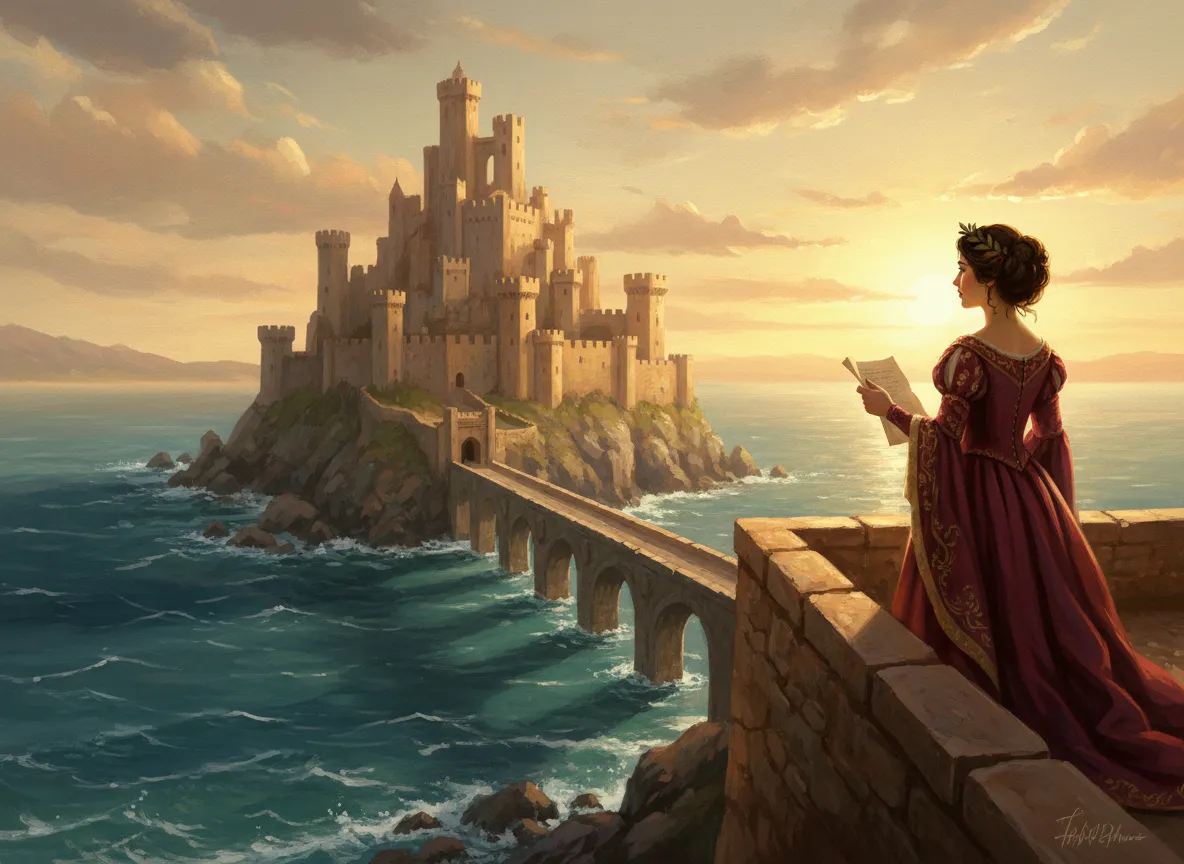
01 Il Castello Aragonese — La poetessa sullo scoglio
Su uno scoglio di tufo verde, staccato dall'isola da un'eruzione di duemila anni fa e ricucito alla terraferma da un ponte di pietra lungo più di duecento metri, vegliava un tempo una rocca intera: 1.892 famiglie, tredici chiese, il convento delle Clarisse, un vescovo e una guarnigione, al sicuro dalle scorrerie dei pirati. Alfonso d'Aragona la rese fortezza nel Quattrocento, ma il suo cuore più segreto resta una donna: Vittoria Colonna, la più grande poetessa del Rinascimento italiano, che qui visse dal 1501 al 1536.
Tra queste mura sposò Fernando d'Avalos e, rimasta vedova, ne fece un cenacolo di artisti e poeti: Michelangelo le scriveva sonetti e versi d'amore. Il tuo tour lead ti fa salire piano, tra l'orto delle Clarisse e le terrazze a picco sul mare, finché sotto i piedi non resta che il Golfo: è lì, dove il vento porta ancora odore di sale, che capisci perché certi versi potevano nascere solo da uno scoglio sospeso tra cielo e acqua.
 02
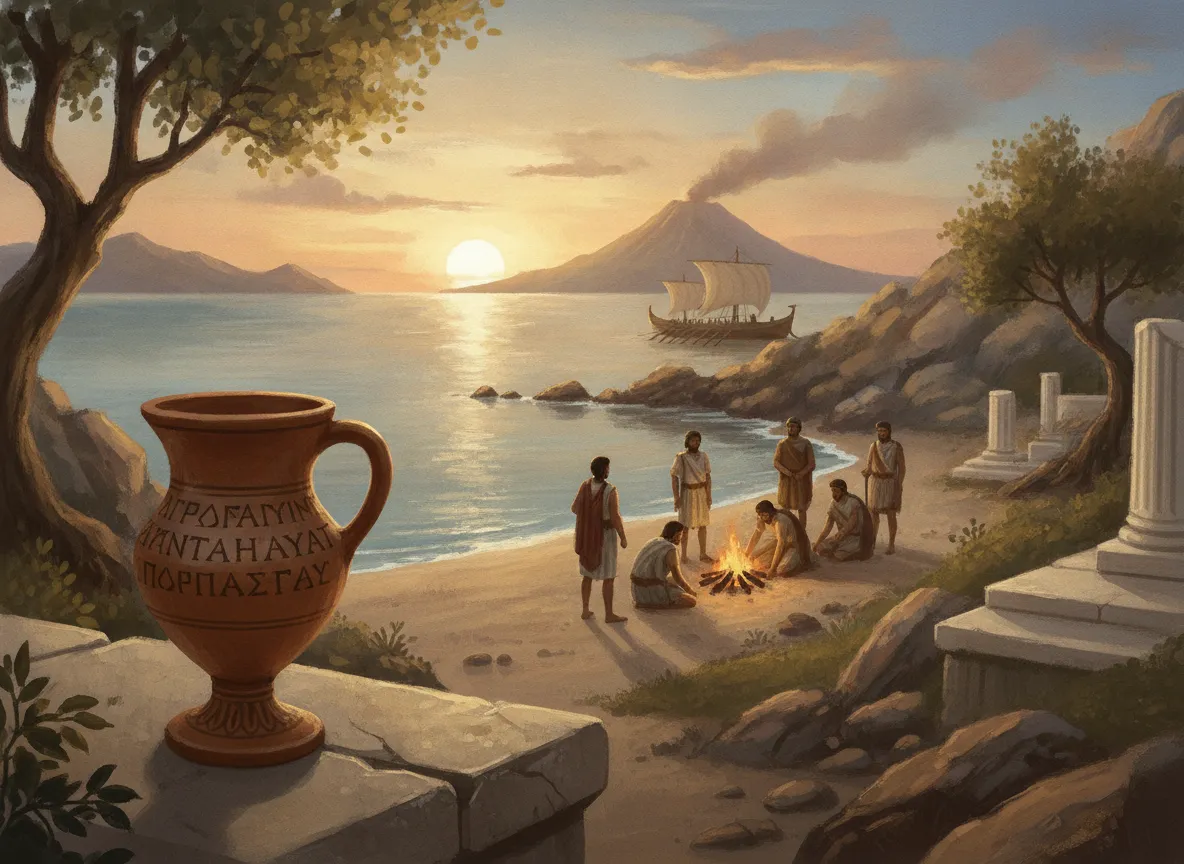
02 Pithecusae e la Coppa di Nestore — Le prime parole d’Occidente
Intorno al 750 avanti Cristo, marinai venuti da Eubea sbarcarono su quest'isola e la chiamarono Pithecusae: fu il primo insediamento greco stabile d'Italia, un emporio dove convivevano Greci, Etruschi e Fenici e da cui l'alfabeto si diffuse in tutto l'Occidente. In una tomba della necropoli di San Montano, a Lacco Ameno, l'archeologo Giorgio Buchner trovò una piccola tazza da vino, una kotyle larga appena dieci centimetri, con tre righe incise da destra a sinistra: una delle più antiche scritture greche che possediamo, e il primo frammento di poesia giunto fino a noi.
I versi promettono a chi beve da quella coppa il desiderio della "Afrodite dalla bella corona". Pensaci: su un'isola di acqua bollente, prima ancora di Cuma e di Roma, qualcuno scriveva già d'amore. Il tuo tour lead ti porta davanti a quella tazza, al Museo di Villa Arbusto, e in quella vetrina silenziosa senti che l'Italia, le sue parole, sono nate proprio qui.
 03
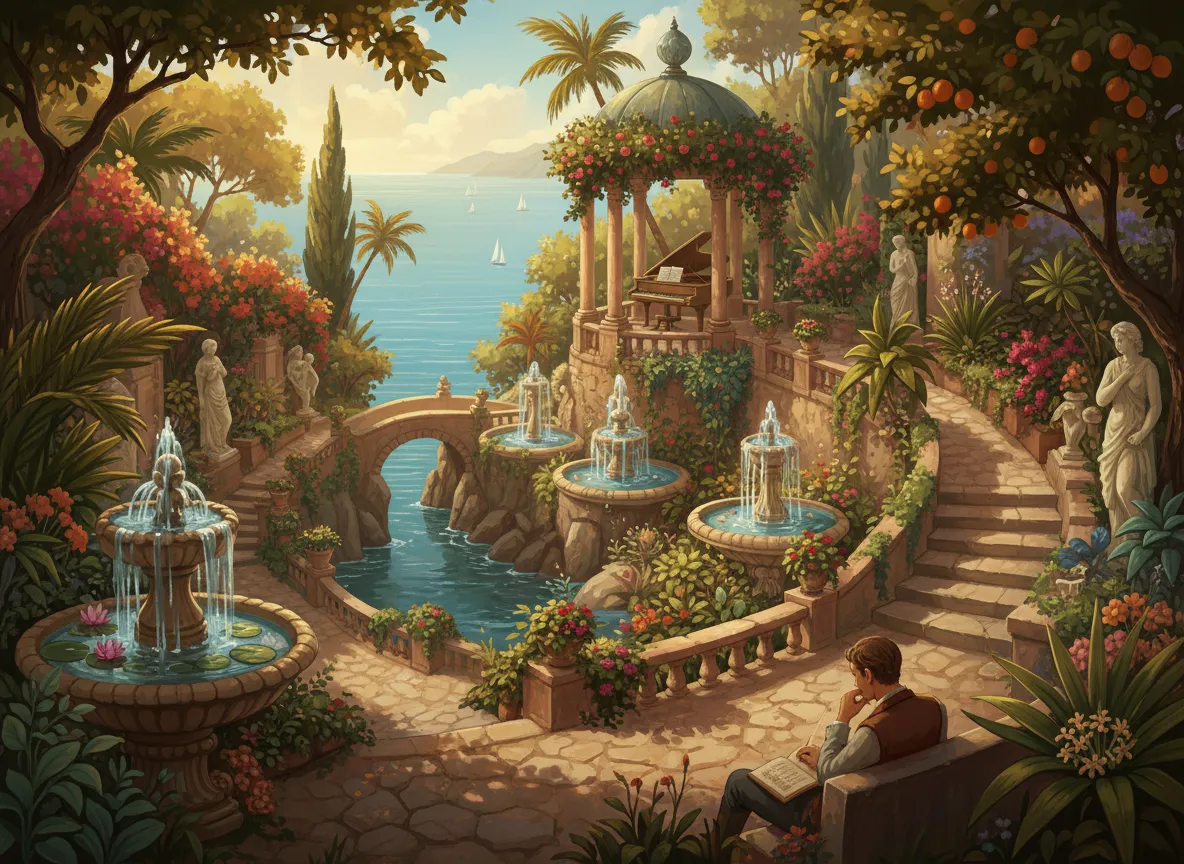
03 I Giardini La Mortella — Il giardino nato da una passione
Nel 1949 il compositore inglese William Walton e la giovane moglie argentina Susana approdarono a Forio e si innamorarono di una gola vulcanica piena di rocce e di mirti selvatici. Comprarono quella terra impossibile e, dal 1956, cominciarono a inventarci un giardino: lo chiamarono La Mortella, dalle "mortelle", i mirti che crescevano fra le pietre. Il disegno fu del grande paesaggista Russell Page, ammiratore della musica di Walton, ma fu Susana a dargli vita, dedicandogli per oltre cinquant'anni un'energia leggendaria.
Oggi La Mortella è uno dei giardini più belli del mondo, e un teatro greco affacciato sul mare dove i ragazzi delle orchestre suonano fra le palme. Il tuo tour lead ti ci accompagna in un pomeriggio lento: cammini tra felci arboree e ninfee mentre, da qualche parte fra le fronde, una nota di pianoforte si alza nell'aria tiepida. Allora capisci che questo non è solo un giardino, ma una storia d'amore ancora viva.
Dalla prima colonia greca all'isola dei poeti
Ischia è la più antica colonia greca d'Occidente: prima ancora di Cuma, qui si fondeva il ferro, si scriveva in alfabeto greco e si raccontava già d'amore. Strato dopo strato — Greci, Romani, Aragonesi — il Golfo ha lasciato tracce che il tuo tour lead ti fa toccare con mano.
- ~750 a.C.
Pithecusae, la prima colonia d'Occidente
Marinai euboici da Calcide ed Eretria sbarcano e fondano a Lacco Ameno Pithecusae, primo insediamento greco stabile dell'Italia: un emporio dove convivono Greci, Etruschi e Fenici.
- fine VIII sec. a.C.
La Coppa di Nestore
Nella necropoli di Pithecusae viene deposta una kotyle rodia con tre versi incisi — tra le più antiche scritture greche d'Occidente — che promette a chi beve il desiderio di Afrodite. Oggi è al Museo di Villa Arbusto.
- 1441
Alfonso d'Aragona e il Castello
Alfonso V d'Aragona trasforma la rocca sullo scoglio in fortezza e la unisce alla terraferma con un ponte in muratura lungo 220 metri: per secoli rifugio dell'intera isola dalle incursioni dei pirati.
- 1956
Nasce La Mortella
A Forio Susana Walton, moglie del compositore inglese William Walton, avvia il giardino mediterraneo che chiamerà La Mortella, dai mirti tra le rocce; aprirà al pubblico nel 1991.
- 2022
Procida Capitale della Cultura
Procida è la prima isola a diventare Capitale italiana della Cultura, con il motto «la cultura non isola»: un anno di eventi che porta il piccolo borgo di pescatori al centro del Paese.
We stitch Ischia and Procida to your own pace, by those who have this sea on their doorstep: no ferries caught at a run with the crowd, but private transfers and boats, thermal baths chosen to suit your rhythm and tables where the coniglio all'ischitana is done as it should be. A morning at the Giardini Poseidon thermal park, in the bay of Citara — six hectares and more than twenty pools by the sea, from 28 to 40 degrees — or at the Negombo, tucked into the hollow of the Baia di San Montano. An afternoon at the Giardini La Mortella in Forio, born in 1958 from the dream of Susana Walton, wife of the English composer William Walton: she named it for the myrtles — "le mortelle" — that grew among the rocks, and today it is one of the most beautiful gardens in the world, with a Greek theatre overlooking the sea where young musicians of the orchestras play.
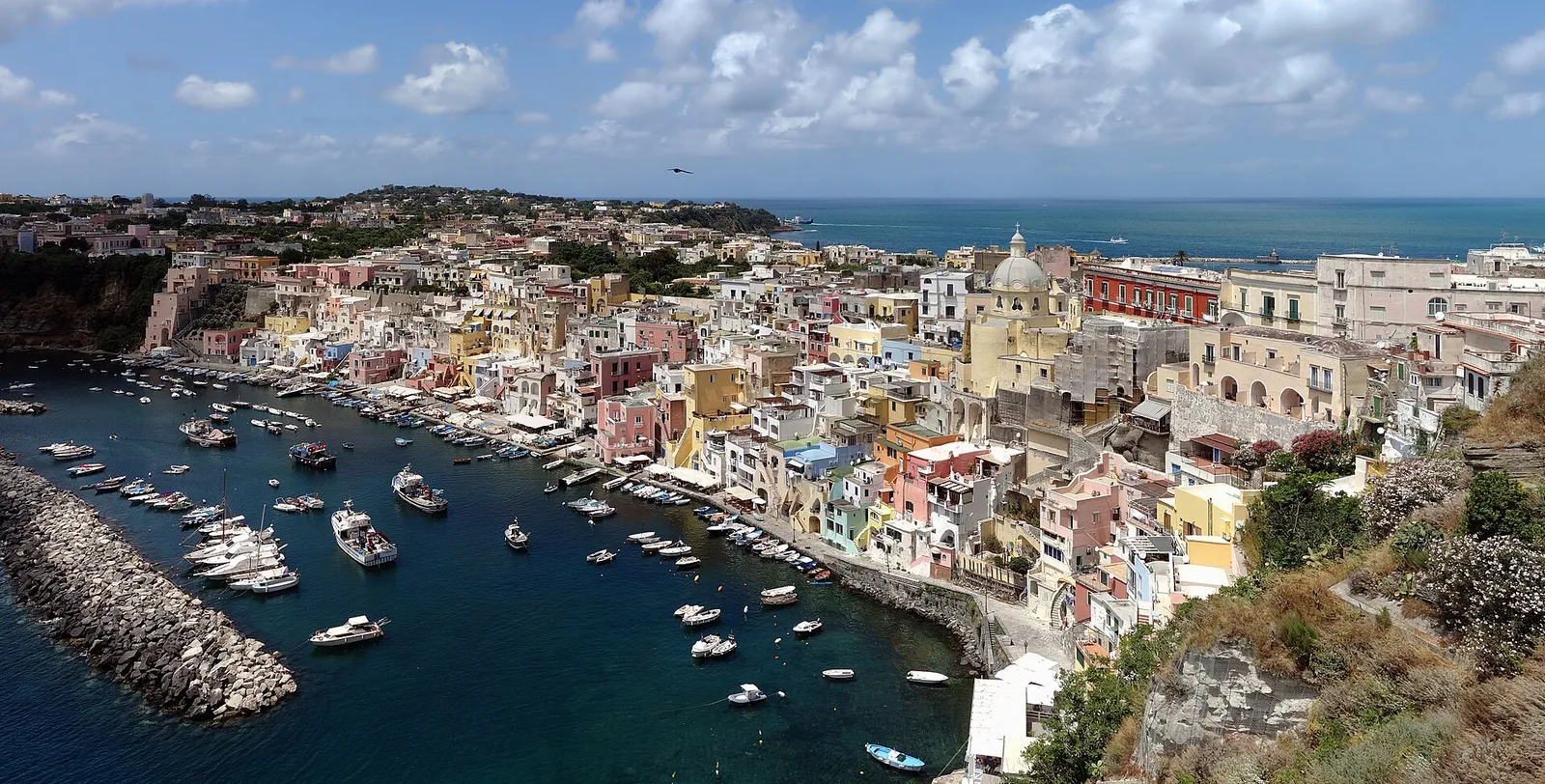
We keep the finale for the light. In Forio we take you to the Chiesa del Soccorso as the sun goes down: all white, suspended over the water, the stucco catching fire in red and — on lucky evenings — the green flash on the horizon. And if you have an extra day, a boat towards Procida: the Marina Corricella, the pastel houses with their arches, the colours that even today the fishermen cannot change at will, because they once served to recognise one's own home from the sea. Procida was Italian Capital of Culture in 2022 — the first island to be so — and it remains, quite simply, true. Every stage has its own local tour lead: people born here, who open doors that no printed guidebook knows.
The journey map
When to go
What's included
- Tour lead narratore dedicato
- Trasferimenti privati sul posto
- Alloggi di charme selezionati
- Esperienze e degustazioni in programma
- Assistenza Furore 24/7
Not included
- Viaggio a/r per la località di partenza
- Pasti non indicati nel programma
- Mance ed extra personali
- Assicurazione viaggio (facoltativa)
Dove dormirai
Scegliamo a mano ogni alloggio: niente catene anonime, ma luoghi con un'anima, nel cuore dei borghi o affacciati sul paesaggio.
Dimore storiche
Palazzi e case di pietra nel centro dei borghi, tra mura antiche e silenzio.
Boutique hotel
Piccoli hotel di charme, con vista, servizio curato e atmosfera intima.
Agriturismi e cantine
Ospitalità autentica tra vigne, ulivi e tavole vere, dove ti accolgono come a casa.
Il tuo tour lead
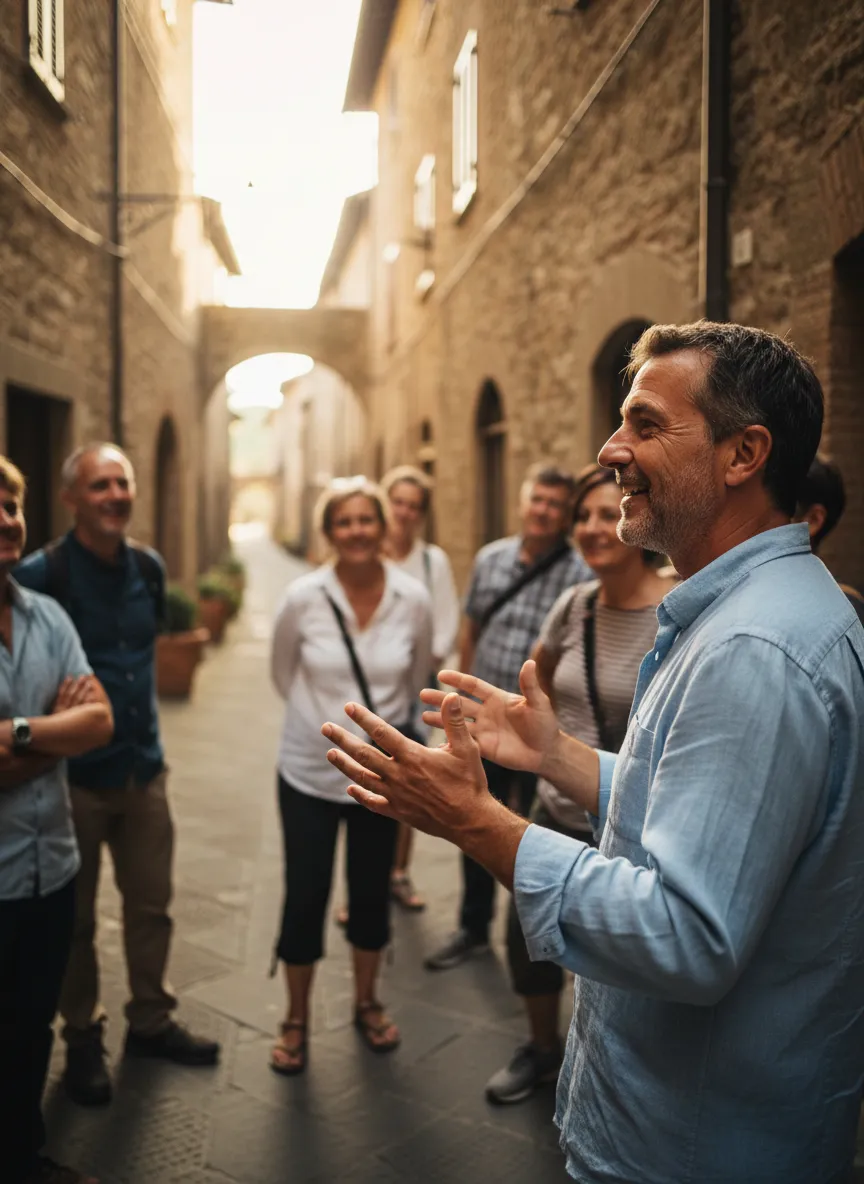
Non un accompagnatore qualunque: un narratore del territorio, nato qui o che ha scelto di restarci. Conosce le storie vere, le porte da aprire e i tempi giusti. È la persona che trasforma un bel viaggio in un ricordo indimenticabile.
A sample itinerary
- Day 1
From Naples to the green island
A private crossing to Ischia, a charming place to stay and an afternoon stroll to the Aragonese Castle, with the low light on the terraces.
- Day 2
Thermal baths and the gardens of Forio
A relaxing morning at the Giardini Poseidon in the bay of Citara; in the afternoon La Mortella and, as the sun sets, the Chiesa del Soccorso.
- Day 3
Sant'Angelo and the Maronti
A walk down into the car-free village, a boat to the Maronti fumaroles and a seafood lunch on the harbour. A slow afternoon, as it should be.
- Day 4
Procida in pastel
A private boat to Procida: the Marina Corricella, Terra Murata and the colourful alleys of the Capital of Culture, before the return.
Frequently asked
When is the best time for Ischia and Procida?
From May to June and from September to early October: a warm sea, pleasant thermal baths and islands that are alive but without the August crush. The thermal baths remain wonderful in spring too.
How many days do you need to visit Ischia and Procida?
We recommend 4–5 days: enough for the castle, a day of thermal baths, Sant'Angelo and a trip to Procida, without rushing and with room for the sea.
Is it a good trip for couples and honeymoons?
Very much so: thermal baths, dinners over the water, sunsets at the Soccorso and charming places to stay make it perfect for couples and for honeymoons.
How do you get there and travel between the islands?
You set off from the port of Naples — our home — with private crossings and boats, and on the island with dedicated transfers: no waiting, no huge groups.
More villages to discover
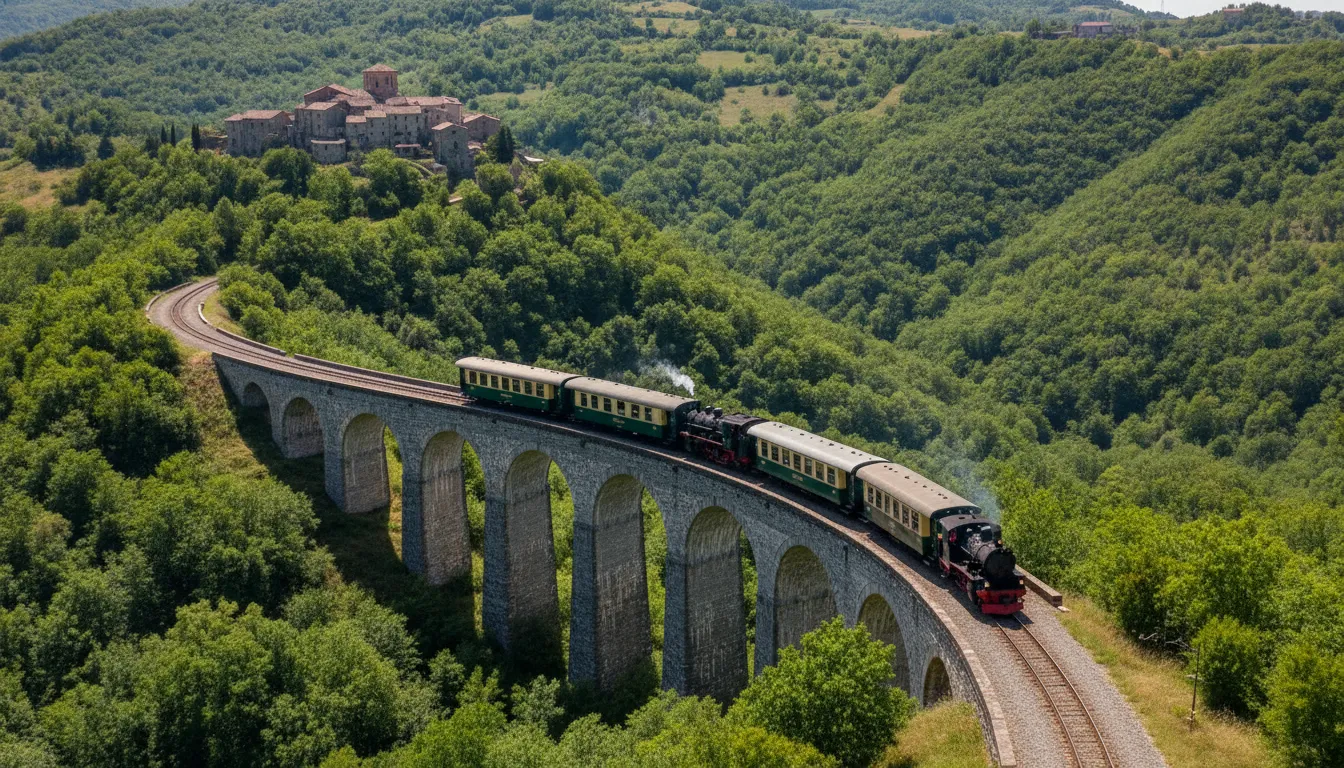 Abruzzo
 The Transiberiana d'Italia and the villages of Abruzzo
Abruzzo · Sulmona, Pescocostanzo, Cocullo, Campo di Giove
A slow train through the wild heart of the Apennines
Explore the village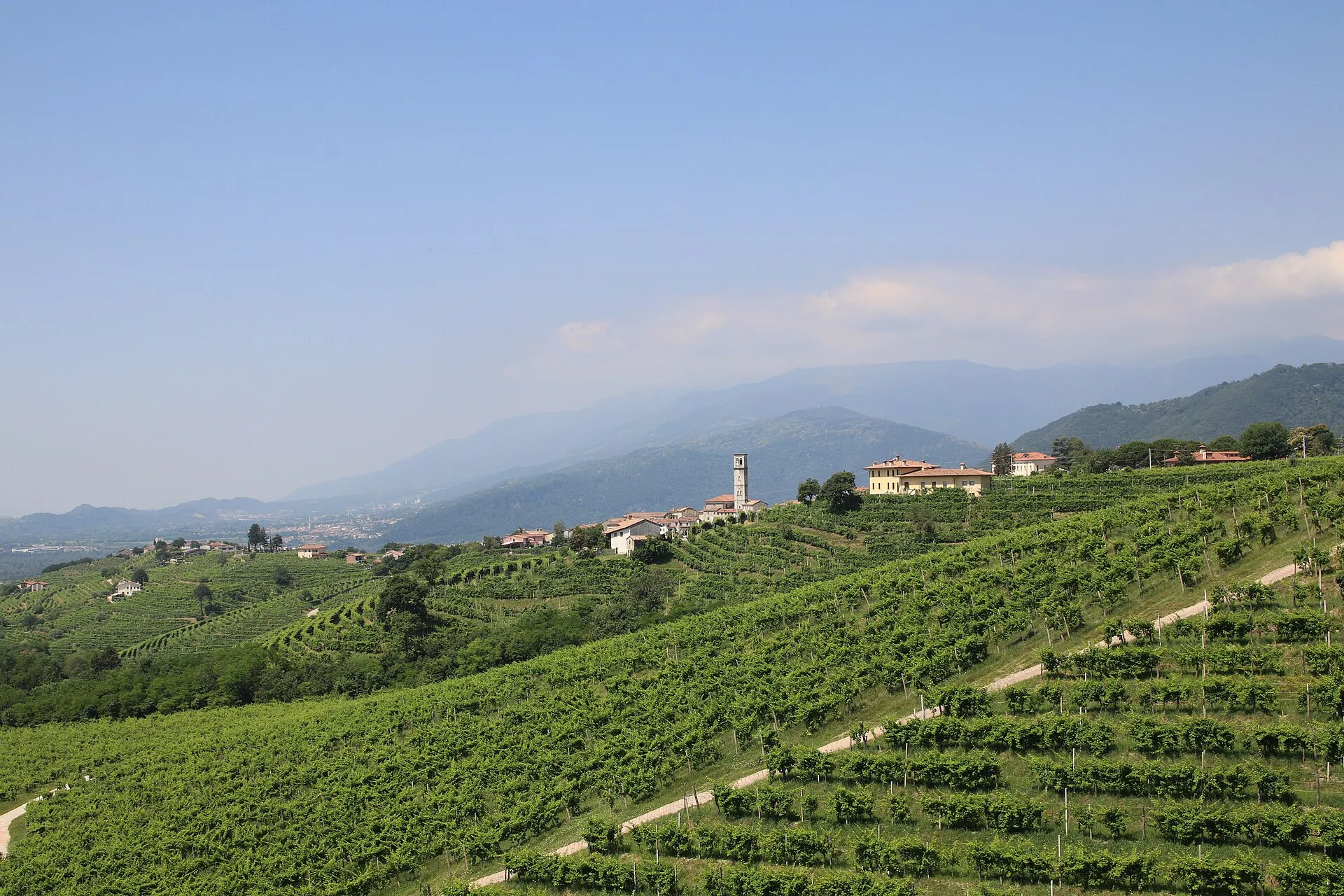 Veneto
 The Prosecco Hills
Veneto · Valdobbiadene, Conegliano and the UNESCO rive
Hand-stitched hills where the light of the Prealps turns into wine
Explore the village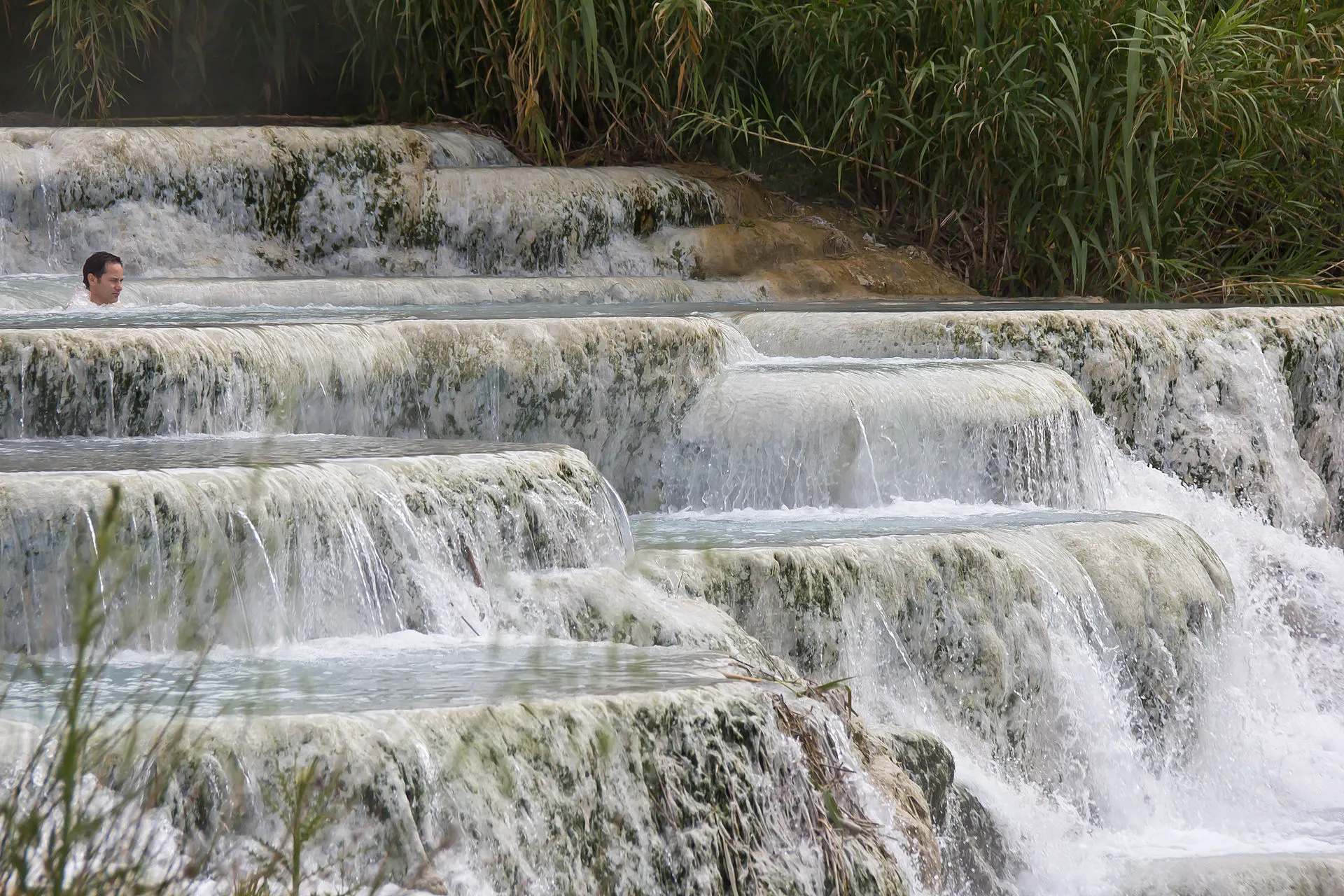 Tuscany
 Saturnia and the Tuscan Maremma
Tuscany · Saturnia, Pitigliano, Sovana
Warm waters born of a thunderbolt and towns carved from tufa
Explore the villageReady to truly set off?
Choose the experience that calls you: the details, the stories and the right thresholds are on us.