
France · Nice, Provence
Provence & the Carnival of Nice
The one elegant escape just across the border
- Beyond the border
- Wine & food
- History & art
A few hours from home, everything changes: the light, the accent, the scent. On the Côte d'Azur the sea turns to velvet and the villages cling to the rock like eagles' nests; inland, Provence unrolls fields the colour of ochre and lavender. And in February Nice lights up for one of the largest carnivals in the world. This is no itinerary: it's the story of a France that seems painted.
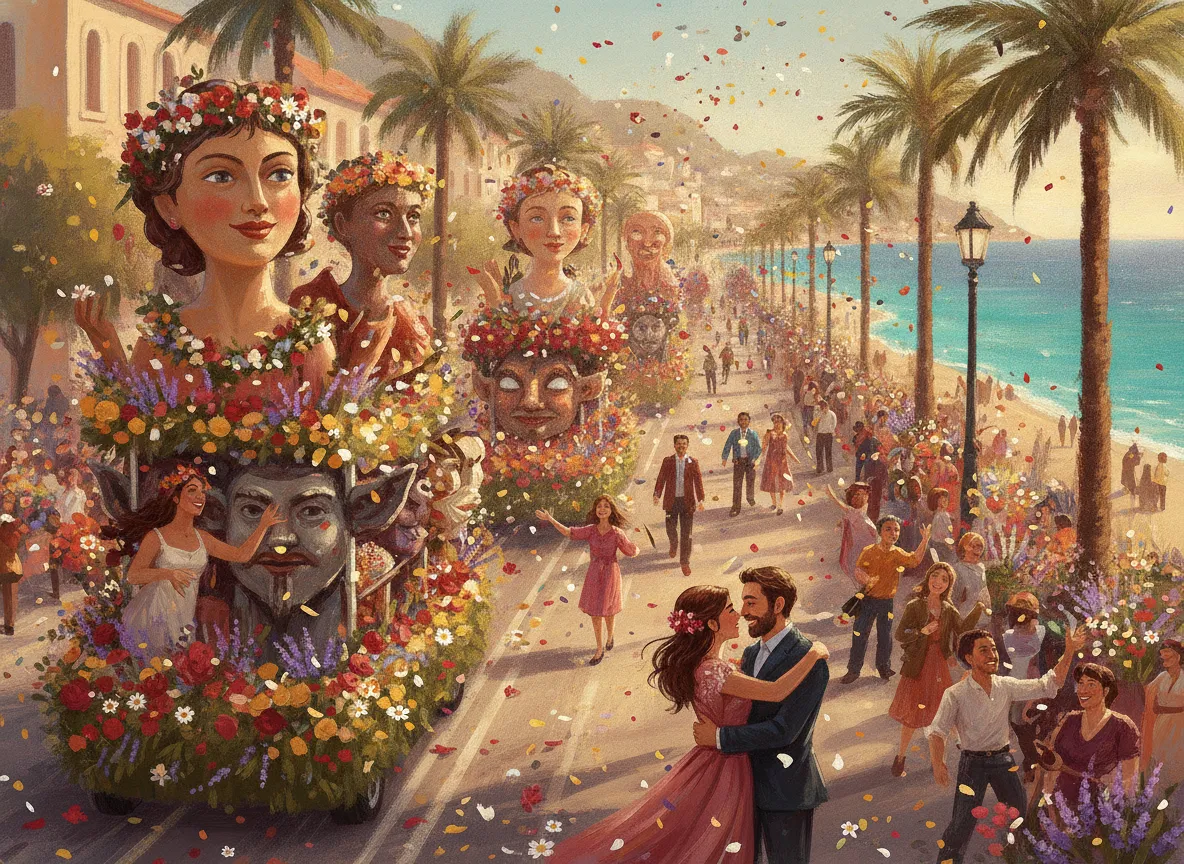
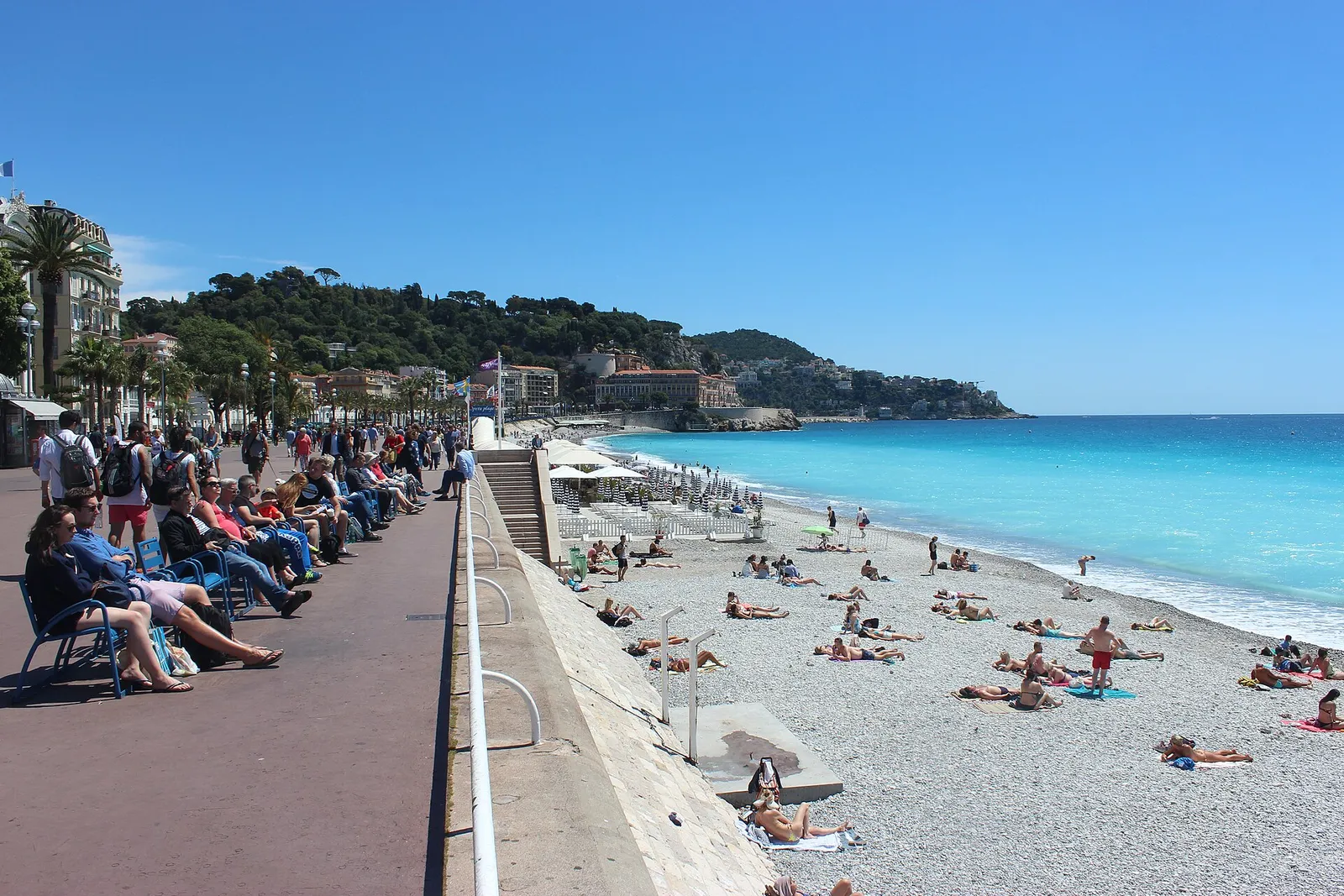
It all begins with a battle of flowers. In 1876 the poet Alphonse Karr, in love with his gardens, imagined a procession in which fragrant bouquets were thrown instead of confetti: thus was born the Bataille de Fleurs, the tender heart of the Carnival of Nice. Today it is a river of floats, mimosa and roses hurled into the crowd, watched over by enormous papier-mâché "grosses têtes" that mock the powerful of the moment. The modern carnival has paraded along the Promenade des Anglais since 1873 and draws almost a million people: our tour leads take you where the festival still has a soul, between the sly sarcasm of the Niçois and the smell of freshly griddled socca.
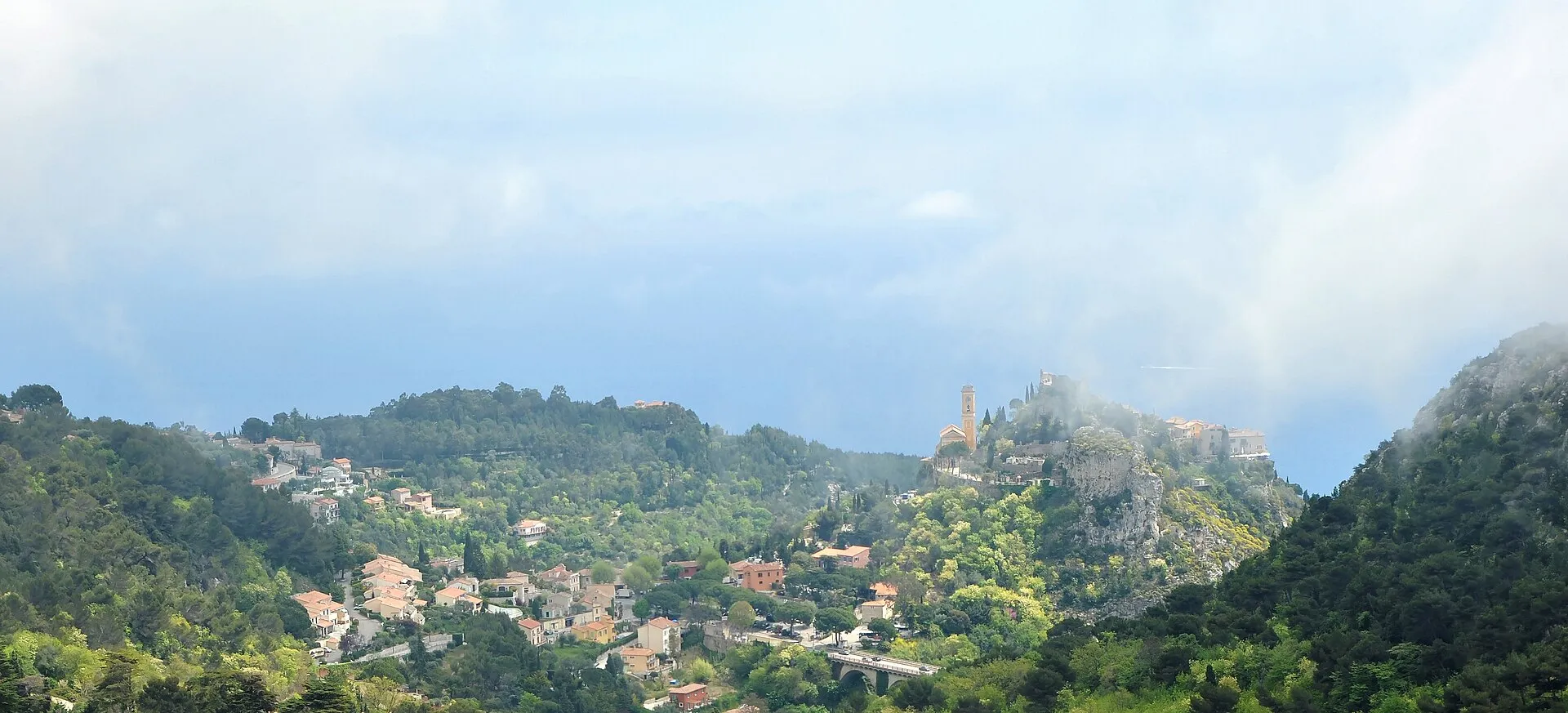
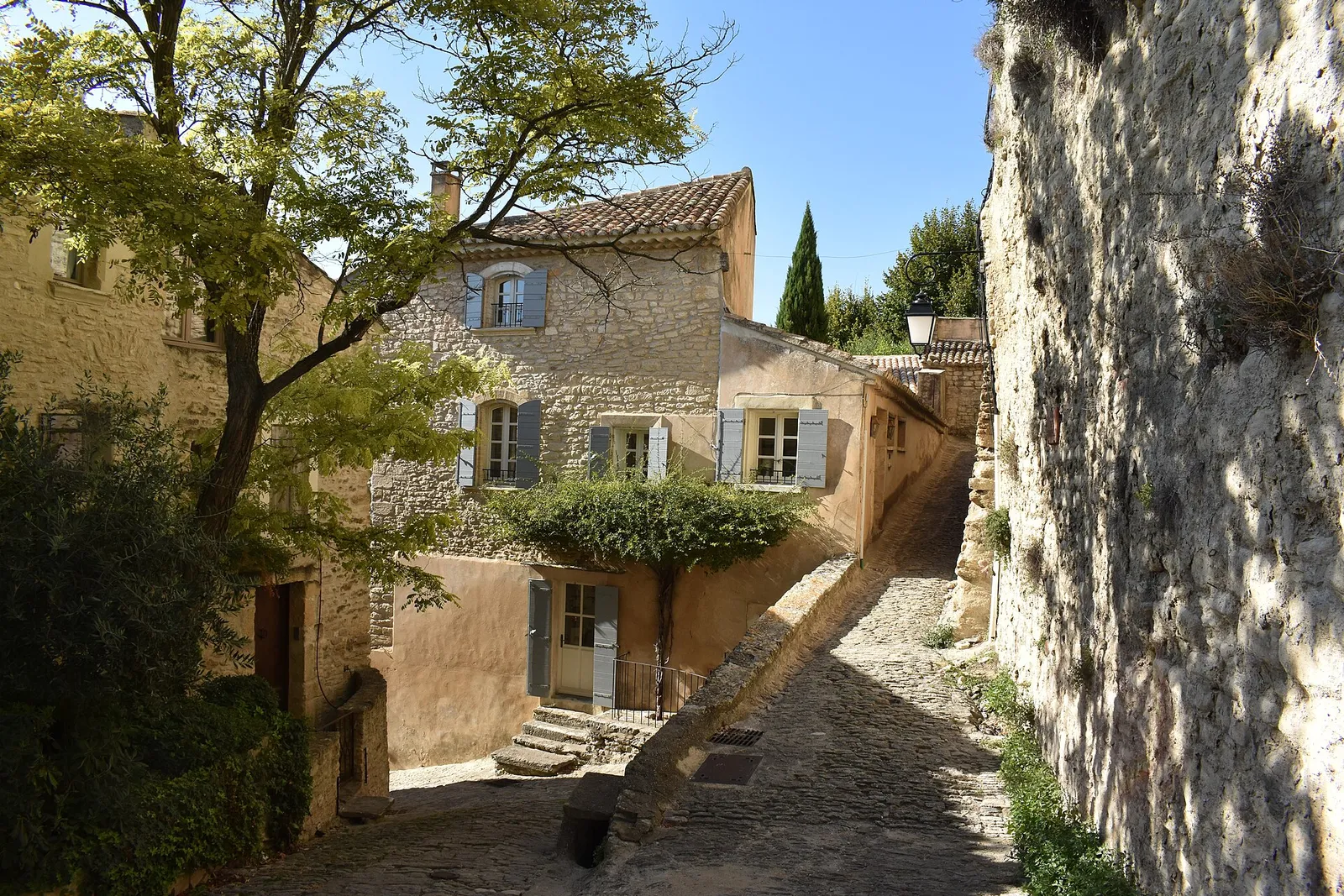
Then you climb, and the Côte d'Azur reveals its suspended villages. At Èze — the "eagle's nest" at 429 metres above the sea — you walk the Chemin de Nietzsche, the very path the philosopher trod while conceiving "Thus Spoke Zarathustra", until at the top a garden of cacti opens onto the blue void as far as Saint-Tropez. At Saint-Paul-de-Vence, within the walls, you understand why Chagall chose to live here from 1966 until the end: we stop you before his simple tomb, in the little cemetery overlooking the valley, before climbing to the Fondation Maeght, the modern art museum that André Malraux inaugurated in 1964 among pines and Giacometti sculptures.
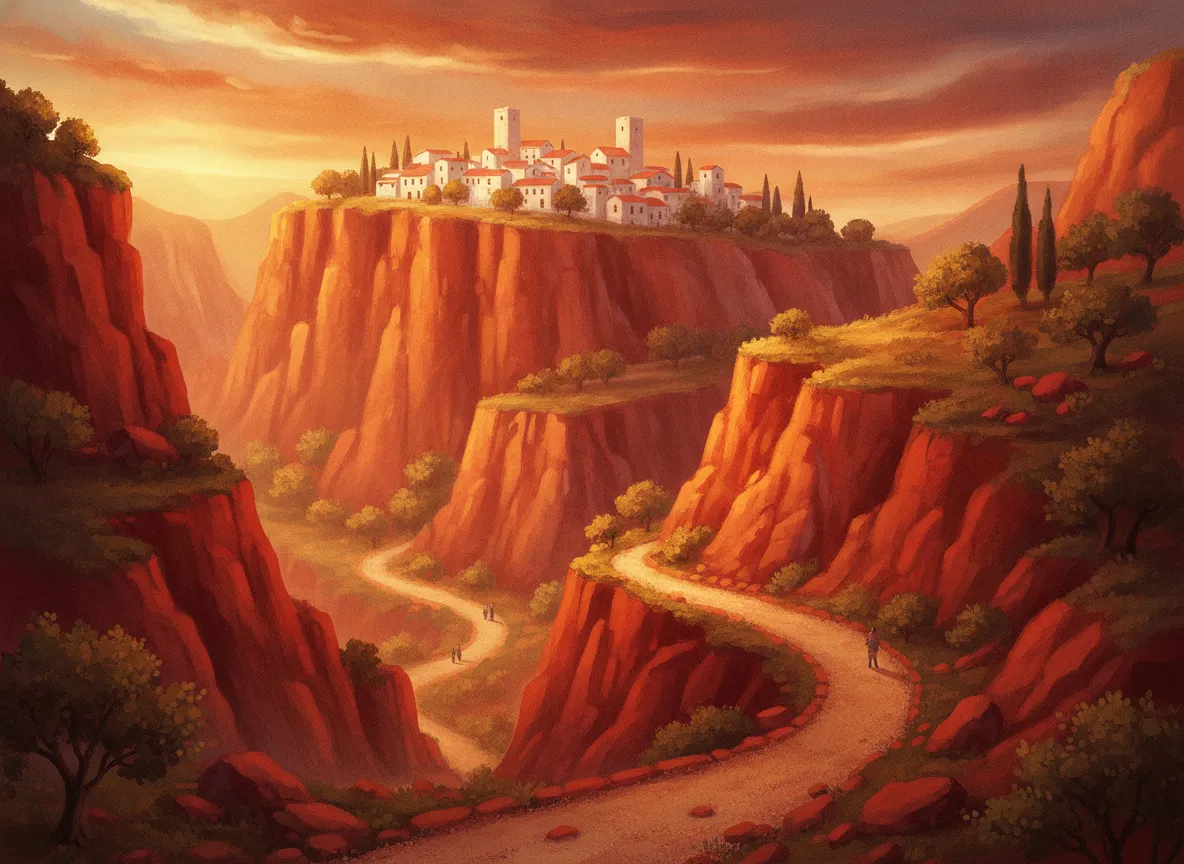
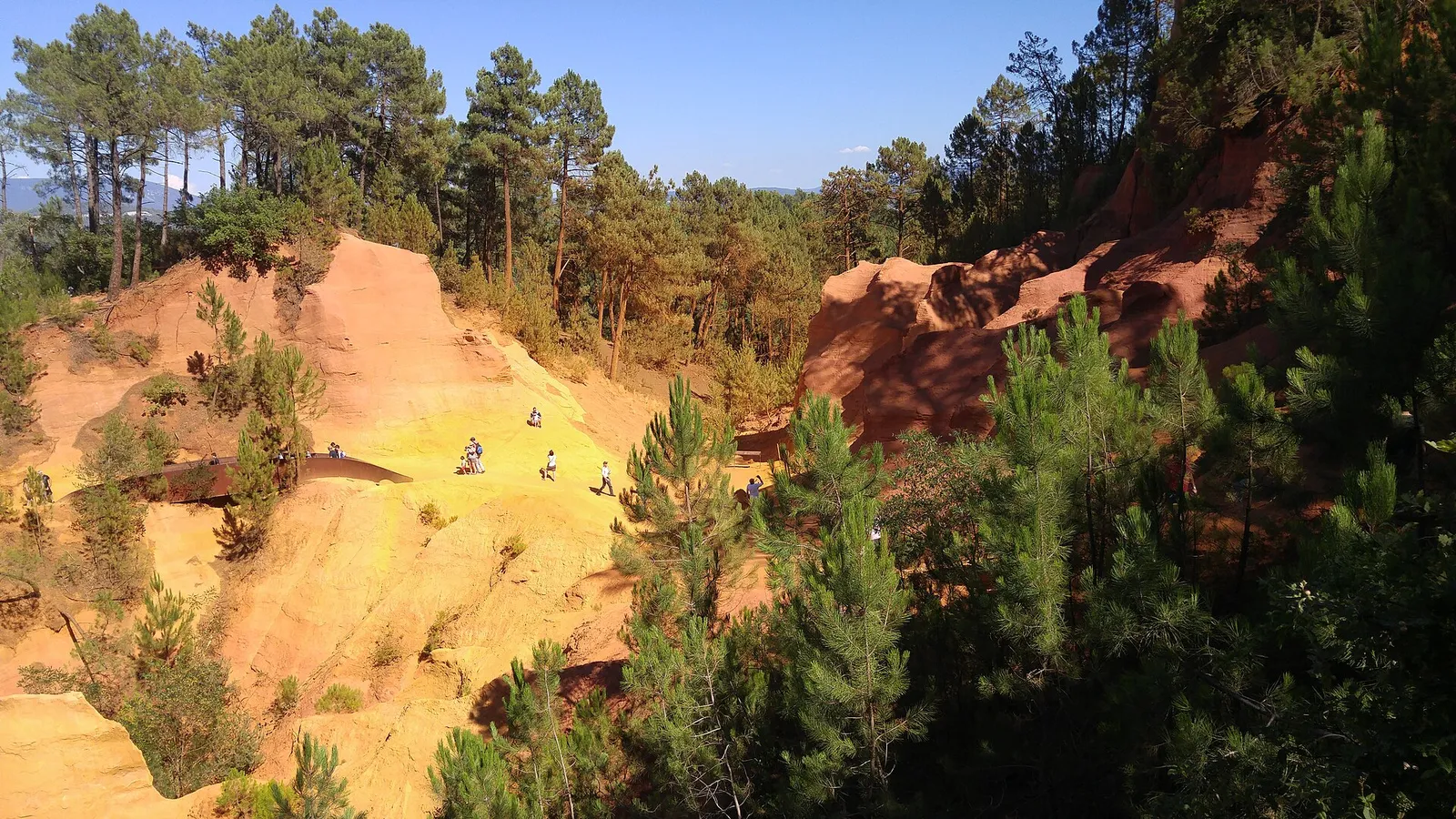
Beyond the coast, in the Luberon, Provence becomes earth and colour. At Roussillon the village is built from the same red stone as its quarries: the Sentier des Ocres winds among cliffs that shift from yellow to copper with every change of light, dug from one of the largest ochre deposits in the world. Not far away, below Gordes, the Abbey of Sénanque — founded in 1148 and still home to a few Cistercian monks — floats upon a sea of lavender in the last weeks of June. Here our tour leads' tales speak not of monuments, but of pigments, of silence and of a scent that stays with you.
What you'll live
The Bataille de Fleurs
Flower-laden floats, mimosa thrown into the crowd and the papier-mâché 'grosses têtes': the Carnival of Nice at its tenderest (February).
Saint-Paul-de-Vence
The village of artists where Chagall lived: alleys of galleries, his tomb overlooking the valley and the Fondation Maeght.
The ochres of Roussillon
The Sentier des Ocres among red and golden cliffs, dug from one of the largest ochre deposits in the world.
Lavender at Sénanque
The Cistercian abbey of 1148 that floats upon a sea of purple, in the last weeks of June and early July.
Stories of the villages
Every village on the journey keeps a story. Here are the ones your tour lead will bring back to life.
 01
01 Nizza — La battaglia di fiori di Alphonse Karr
Nel 1876 il poeta e giardiniere Alphonse Karr, tedesco di nascita e nizzardo d'adozione, si stancò dei coriandoli. Innamorato dei suoi fiori — a Nizza aveva praticamente inventato il commercio del fiore reciso — immaginò un corteo in cui la gente si lanciasse mazzi profumati invece di carta colorata: sulla Promenade des Anglais nacque così la prima Bataille de Fleurs, il cuore più gentile del Carnevale di Nizza.
Oggi è un fiume di carri addobbati da cui giovani lanciano mimose e rose sulla folla, mentre le enormi "grosses têtes" di cartapesta prendono in giro i potenti del momento. Il tuo tour lead ti porta dove la festa ha ancora un'anima: ti basta chiudere gli occhi un istante per sentire l'aria che sa di mimosa e di socca appena sfornata, e capire perché qui i fiori valgono più dei coriandoli.
 02
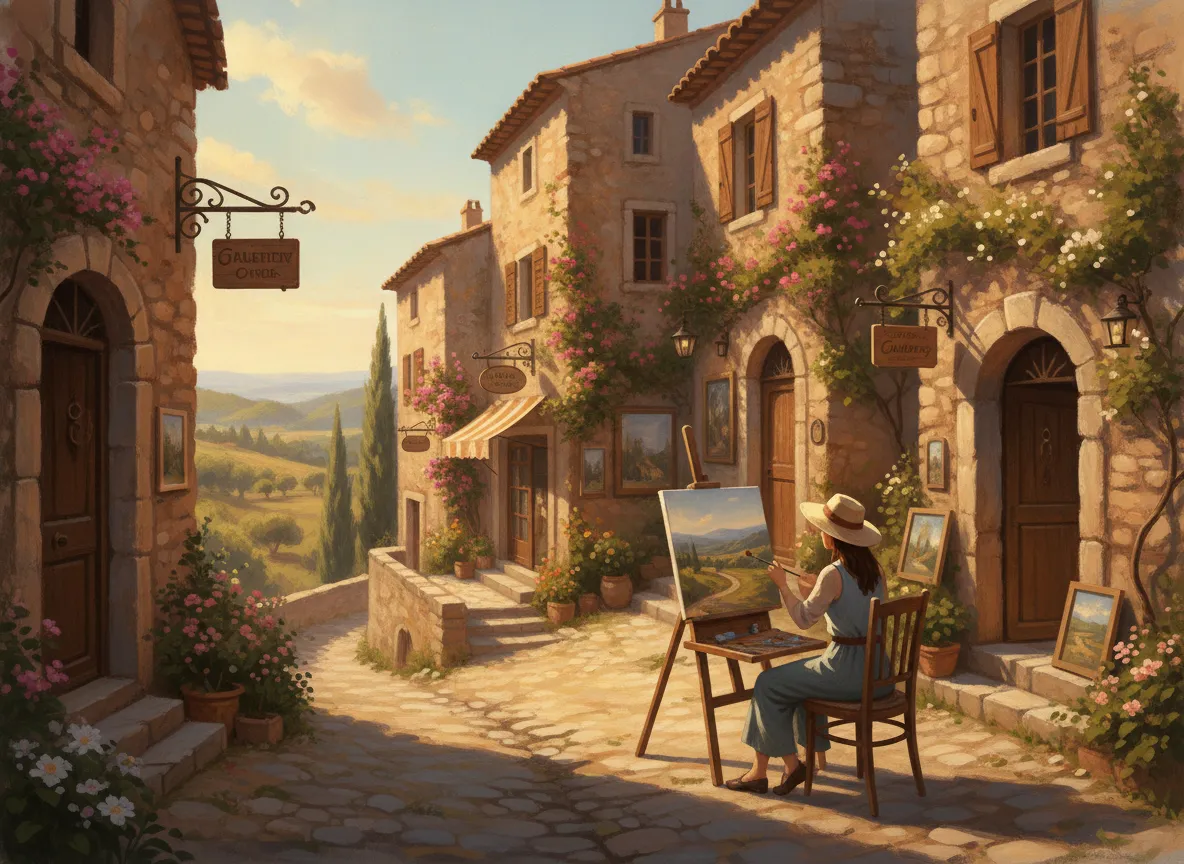
02 Saint-Paul-de-Vence — Il borgo che Chagall non volle lasciare
Marc Chagall arrivò qui nel 1966 e non se ne andò più: a Saint-Paul-de-Vence, borgo che già aveva accolto Matisse, Picasso, Léger e Miró, il pittore russo trovò la luce che cercava da una vita. Riempì le sue tele di amanti sospesi nel cielo, capre e galli che fluttuano sopra i tetti, immensi mazzi di fiori — il villaggio stesso, trasfigurato in sogno. Quando morì, il 28 marzo 1985, scelse di restare per sempre dentro le sue mura.
Il tuo tour lead ti ferma davanti alla sua tomba semplice, nel piccolo cimitero affacciato sulla valle, dove i visitatori lasciano ancora un sasso o un fiore. Poi si risale verso la Fondation Maeght tra i pini, e percorrendo i vicoli di gallerie, con la pietra dorata che scotta sotto il sole del pomeriggio, si capisce perché un artista possa innamorarsi di un luogo al punto da non lasciarlo mai.
 03
03 Roussillon — Il sangue di Dame Sirmonde e le ocre rosse
La leggenda racconta che nel XII secolo il castello di Roussillon apparteneva a Raymond d'Avignon, signore così perso nella caccia da lasciare sola per giorni la sua sposa, la bellissima Dame Sirmonde. Lei si innamorò del giovane trovatore Guillaume de Cabestan; quando il marito lo scoprì, lo uccise e gliene fece mangiare il cuore. Distrutta dal dolore, Sirmonde corse in cima alle falesie e si gettò nel vuoto: il suo sangue, dicono, colorò per sempre di rosso la terra di tutto il Luberon. Erano nate le ocre di Roussillon.
Oggi quel rosso impossibile è il Sentier des Ocres, che serpeggia tra falesie scolpite dal vento e da due secoli di cave, virando dal giallo al rame a ogni cambio di luce. Il tuo tour lead ti accompagna quando il sole è basso e la pietra sembra incandescente: cammini su una leggenda, e ti porti via la polvere d'ocra sulle scarpe come una firma della Provenza.
Dalla battaglia di fiori al regno dell'ocra
Costa Azzurra e Provenza condividono un secolo d'oro: artisti, monaci e cavatori d'ocra hanno dato a questi luoghi una luce che ancora oggi i tuoi tour lead ti raccontano pietra per pietra. Ecco le tappe da toccare con mano.
- 1148
L'abbazia tra le colline
Monaci cistercensi fondano l'Abbazia di Sénanque, sotto Gordes; ancora oggi una piccola comunità coltiva la lavanda che a fine giugno la circonda di viola.
- 1873
Nasce il carnevale moderno
Un comitato delle feste dà al Carnevale di Nizza la sua forma moderna, con corteo di carri lungo il mare: oggi richiama quasi un milione di persone.
- 1876
La prima Bataille de Fleurs
Il poeta Alphonse Karr, innamorato dei suoi giardini, immagina un corteo in cui lanciarsi mazzi di fiori: nasce l'anima più tenera del carnevale.
- 1964
La Fondation Maeght
A Saint-Paul-de-Vence André Malraux inaugura il museo d'arte moderna di Aimé e Marguerite Maeght, tra pini, sculture di Giacometti e opere di Chagall.
- 1966–1985
Chagall sceglie il borgo
Marc Chagall vive a Saint-Paul-de-Vence fino alla morte ed è sepolto nel piccolo cimitero affacciato sulla valle: il borgo diventa simbolo degli artisti.
We stitch the Côte d'Azur and Provence into a single slow journey, shaped to your own pace: private transfers, no coaches with fifty people aboard, Provençal markets in the early morning and tables chosen one by one, where the chilled rosé is drunk in the shade of the plane trees. Èze and Saint-Paul-de-Vence are visited while the groups are still far away; Aix-en-Provence — Cézanne's "city of a thousand fountains" — is discovered strolling along the Cours Mirabeau among the market stalls; the Luberon is lived at a calm pace, between Gordes, Roussillon and the lavender fields when they are in bloom. The Carnival of Nice is a possible addition for those travelling in February: we treat it as a chapter, never as a crush.
Every stage has its own local tour lead: people born here or who chose to stay, who know the true stories — the painter, the monk, the ochre quarryman — behind every stone. This is how a geographical border becomes, quite simply, the threshold of another wonder.
The journey map
When to go
What's included
- Tour lead narratore dedicato
- Trasferimenti privati sul posto
- Alloggi di charme selezionati
- Esperienze e degustazioni in programma
- Assistenza Furore 24/7
Not included
- Viaggio a/r per la località di partenza
- Pasti non indicati nel programma
- Mance ed extra personali
- Assicurazione viaggio (facoltativa)
Dove dormirai
Scegliamo a mano ogni alloggio: niente catene anonime, ma luoghi con un'anima, nel cuore dei borghi o affacciati sul paesaggio.
Dimore storiche
Palazzi e case di pietra nel centro dei borghi, tra mura antiche e silenzio.
Boutique hotel
Piccoli hotel di charme, con vista, servizio curato e atmosfera intima.
Agriturismi e cantine
Ospitalità autentica tra vigne, ulivi e tavole vere, dove ti accolgono come a casa.
Il tuo tour lead
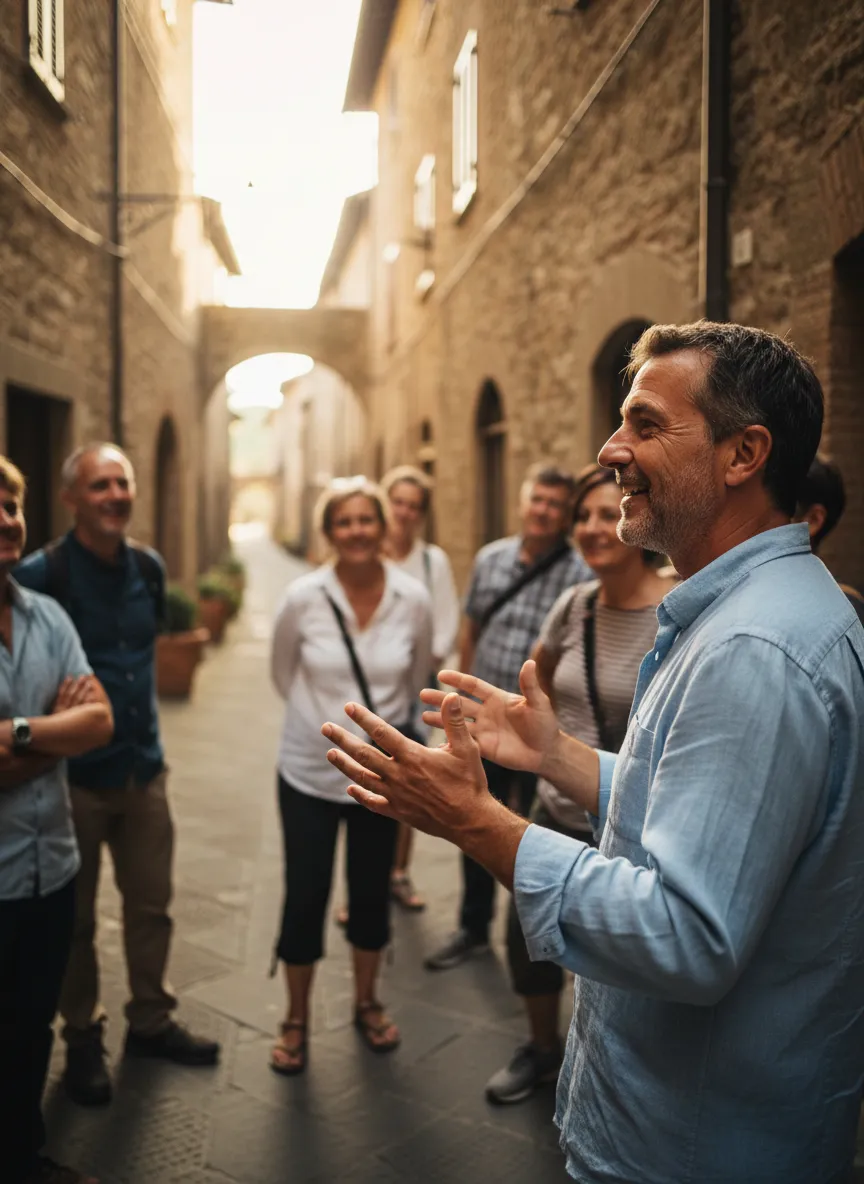
Non un accompagnatore qualunque: un narratore del territorio, nato qui o che ha scelto di restarci. Conosce le storie vere, le porte da aprire e i tempi giusti. È la persona che trasforma un bel viaggio in un ricordo indimenticabile.
A sample itinerary
- Day 1
Nice and the velvet sea
Arrival, a stroll through the Vieille Ville and along the seafront; in February, a first foray among the floats and lights of the Carnival. A Niçois dinner of socca and pissaladière.
- Day 2
Villages suspended over the sea
Èze, the eagle's nest with its cactus garden and the Chemin de Nietzsche; in the afternoon Saint-Paul-de-Vence, Chagall and the Fondation Maeght.
- Day 3
Towards the Luberon
A private transfer inland. Gordes overlooking the valley and the Abbey of Sénanque among its lavender fields.
- Day 4
Ochre, markets and rosé
Roussillon and the Sentier des Ocres in the morning; in the afternoon Aix-en-Provence, the fountains, the Cours Mirabeau and a toast in the shade of the plane trees.
Frequently asked
When does the Carnival of Nice take place?
Usually in the last two weeks of February, around the Carnival season. We include it for those travelling in that period; the rest of the year the journey remains splendid without it.
When is the best time for lavender in Provence?
The bloom runs roughly from late June to the first half of July. At Sénanque, sheltered in its valley, it is best to aim for the last days of June or the first of July.
How many days do you need for the Côte d'Azur and Provence?
We recommend 5–7 days to combine the coastal villages and the Luberon at a calm pace, without stressful transfers and with time for markets and the table.
Is it a good trip for couples?
Very much so: the unhurried rhythm, the villages of art, dinners in the shade of the plane trees and charming places to stay make it perfect for honeymoons too.
More villages to discover
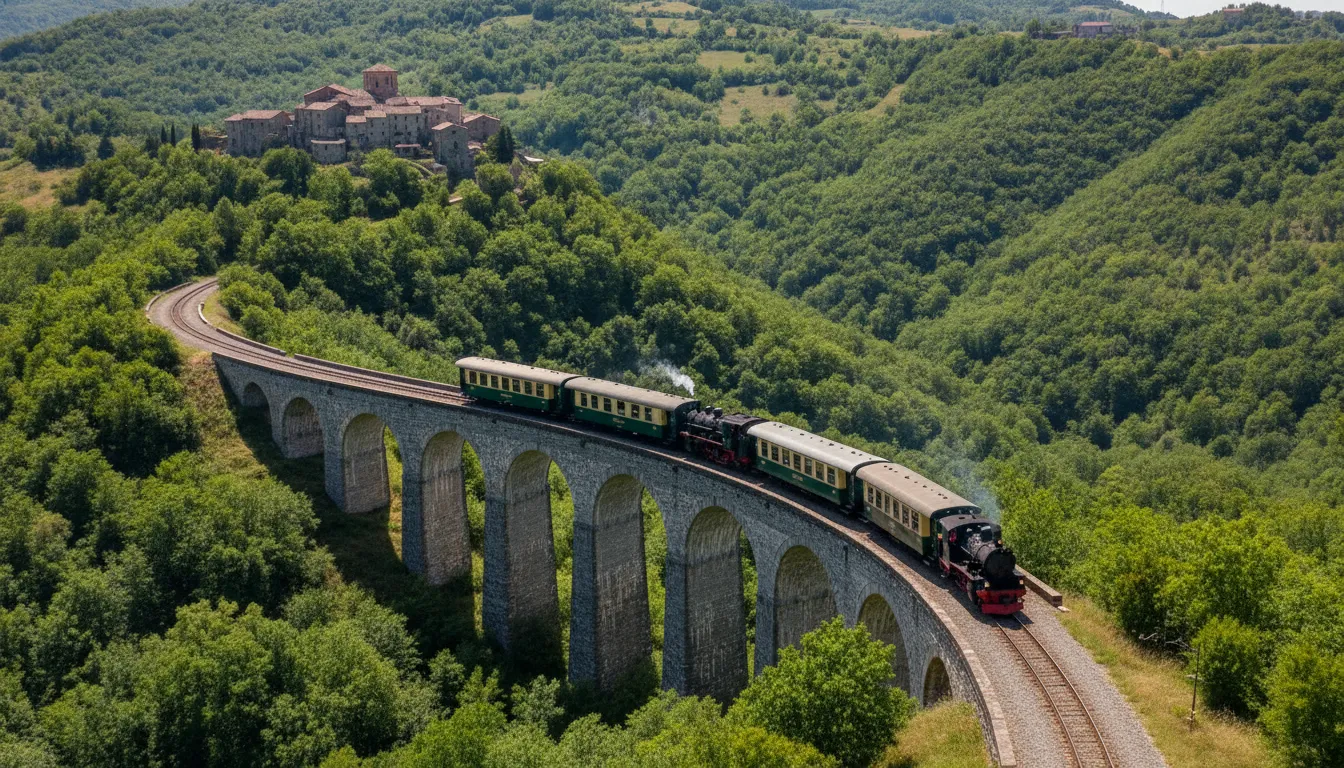 Abruzzo
 The Transiberiana d'Italia and the villages of Abruzzo
Abruzzo · Sulmona, Pescocostanzo, Cocullo, Campo di Giove
A slow train through the wild heart of the Apennines
Explore the village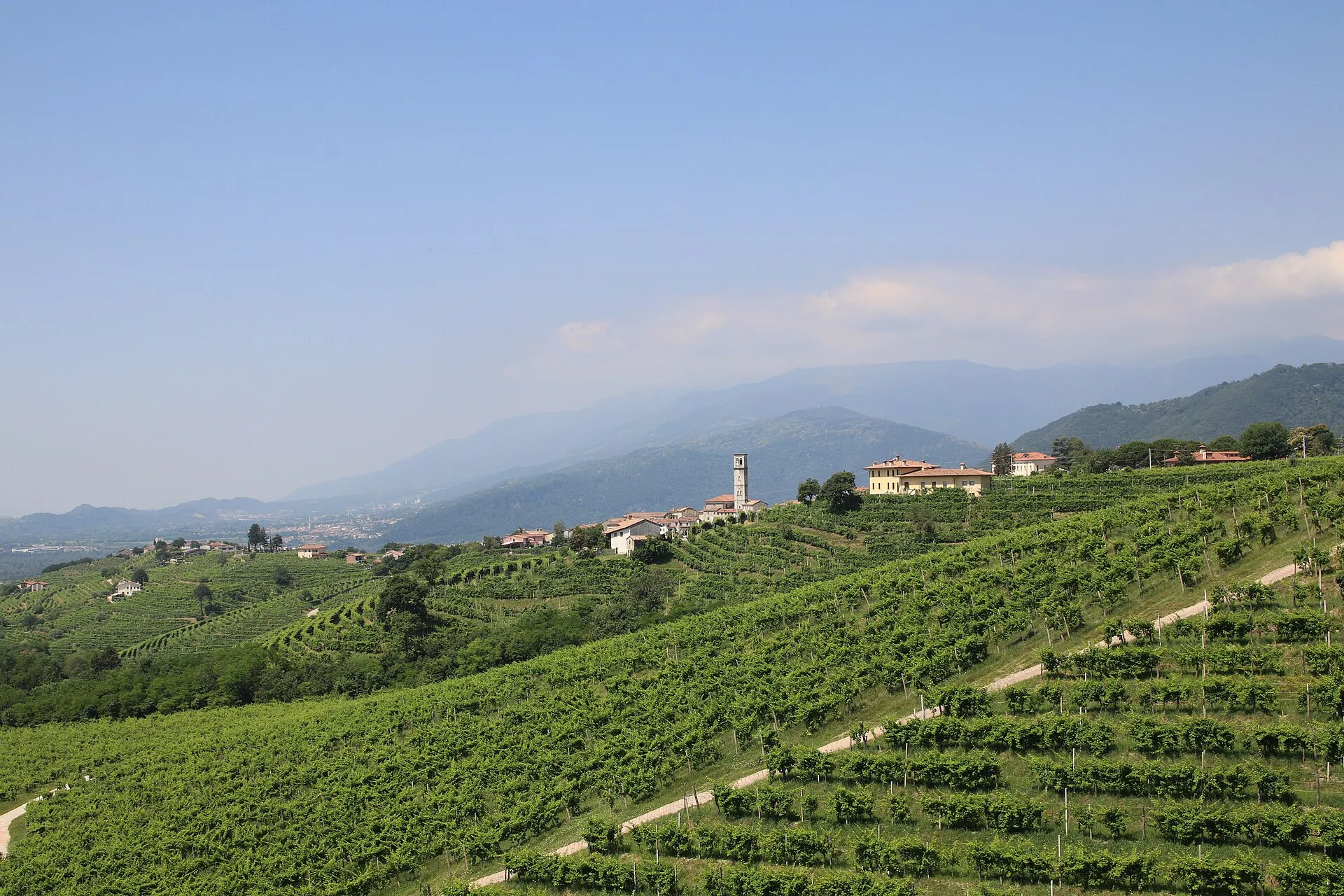 Veneto
 The Prosecco Hills
Veneto · Valdobbiadene, Conegliano and the UNESCO rive
Hand-stitched hills where the light of the Prealps turns into wine
Explore the village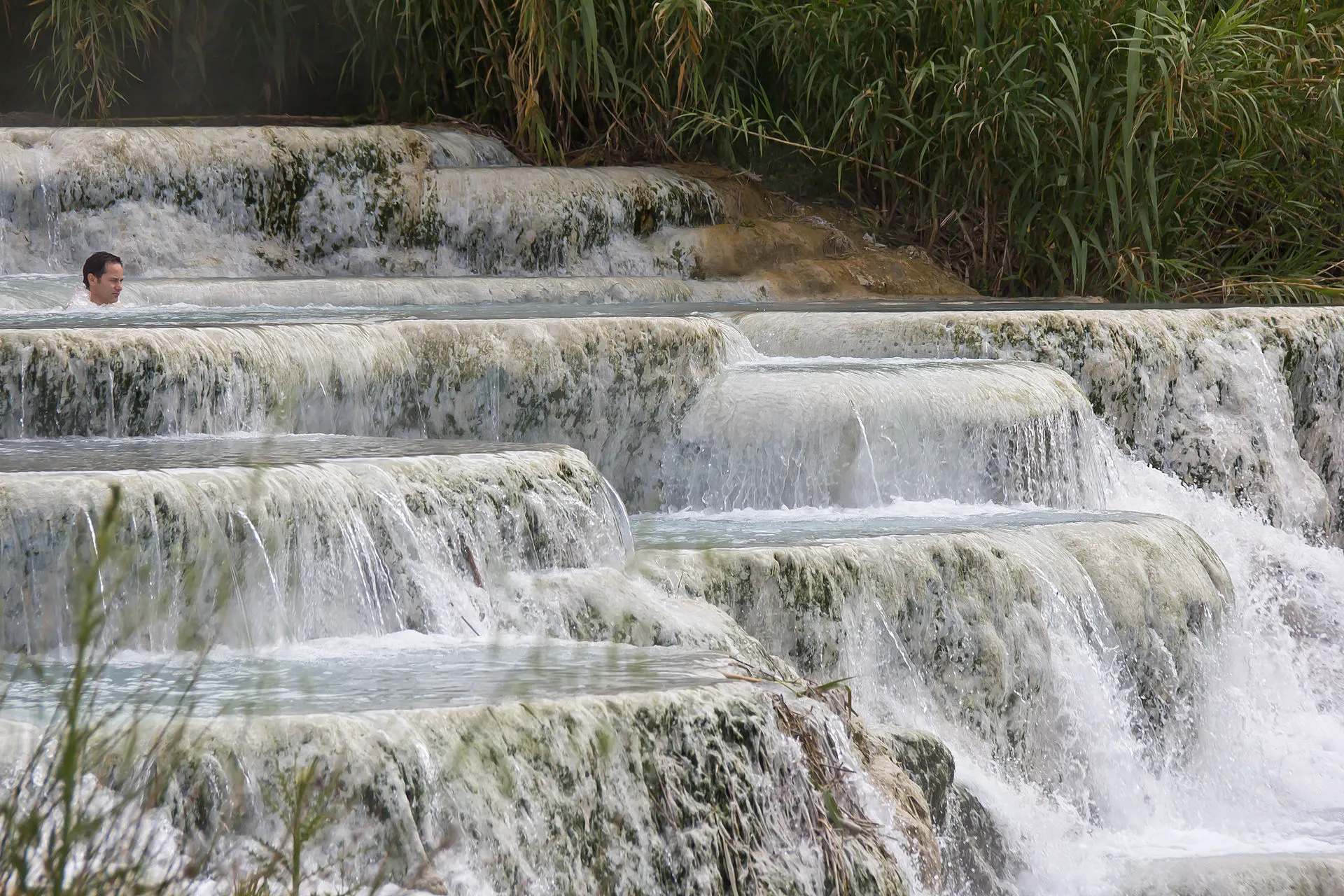 Tuscany
 Saturnia and the Tuscan Maremma
Tuscany · Saturnia, Pitigliano, Sovana
Warm waters born of a thunderbolt and towns carved from tufa
Explore the villageReady to truly set off?
Choose the experience that calls you: the details, the stories and the right thresholds are on us.