
Calabria · Tropea, Scilla, Pizzo
Villages of Calabria
The South you don't expect, suspended between cliff and myth
- Sea & islands
- History & art
- Romantic
A coast the ancients called the Coast of the Gods, a fishing village grown upon the rocks, a castle that keeps both gelato and tragedy. Tropea, Scilla and Pizzo are not places to tick off: they are three different ways of looking at the same turquoise sea, and of letting it be told to you by someone who grew up here.
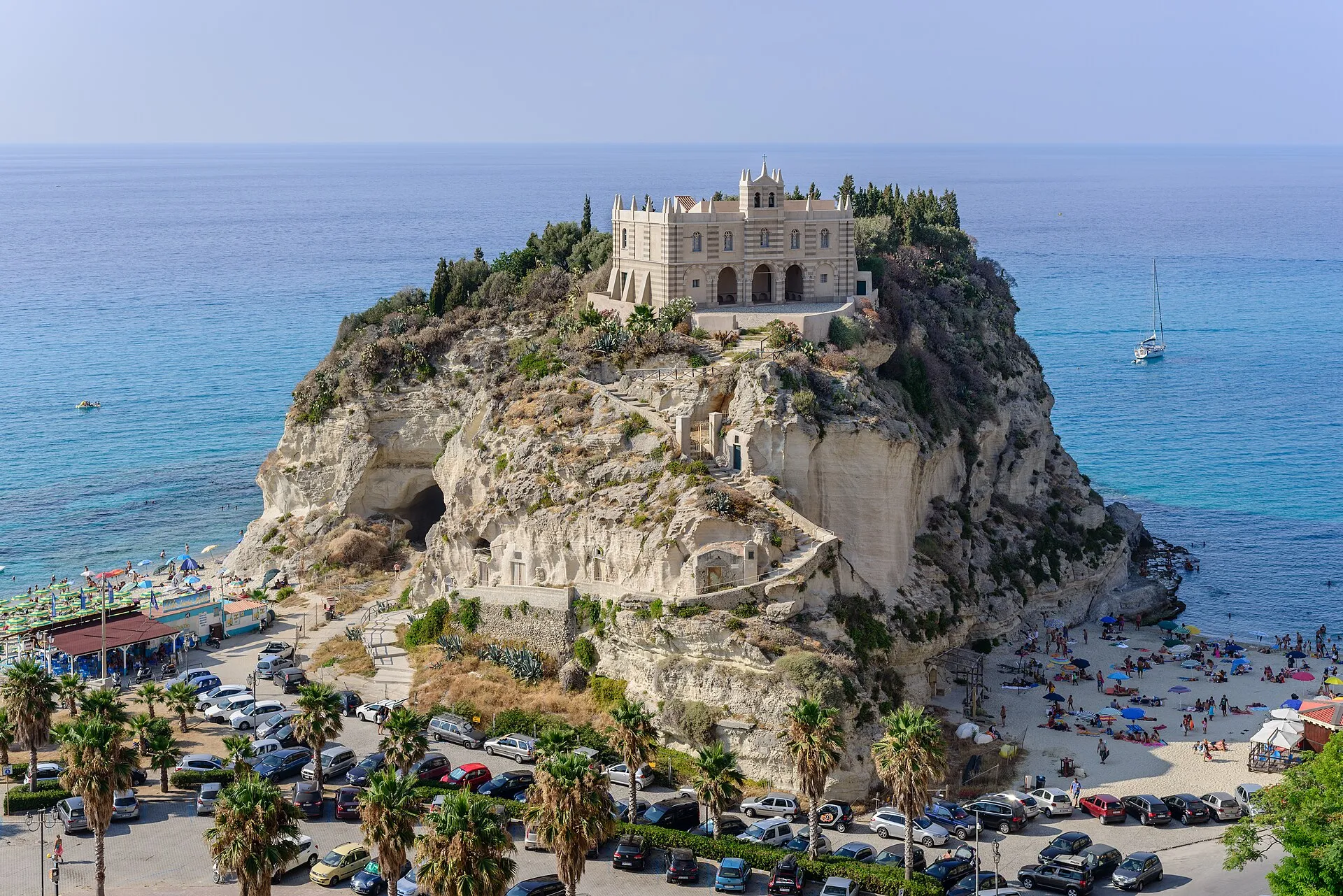
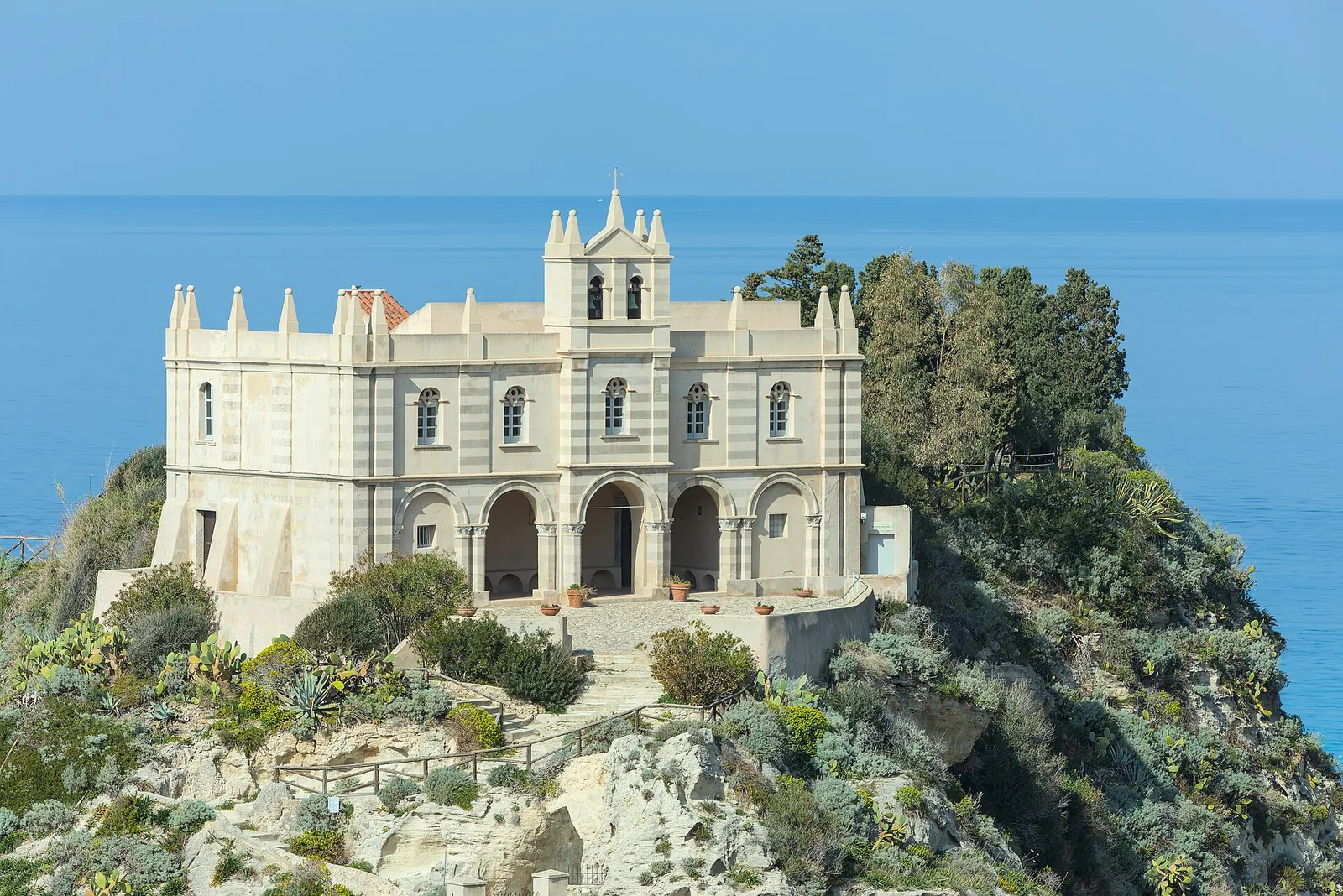
There is a Calabria that makes a postcard noise and one that speaks softly, and we look for the second. In Tropea we take you to the edge of the tufa cliff at the hour when the sun sets behind Stromboli, and as the village turns pink our tour leads point down there, on the islet, to the sanctuary of Santa Maria dell'Isola: a Benedictine monastery clinging to the rock, where legend has it that a wooden statue of the Madonna came ashore from the sea. Further on opens the Coast of the Gods, and someone will tell you, with a half-smile, that it was founded by Hercules himself. You half believe it, but you'll remember it forever.
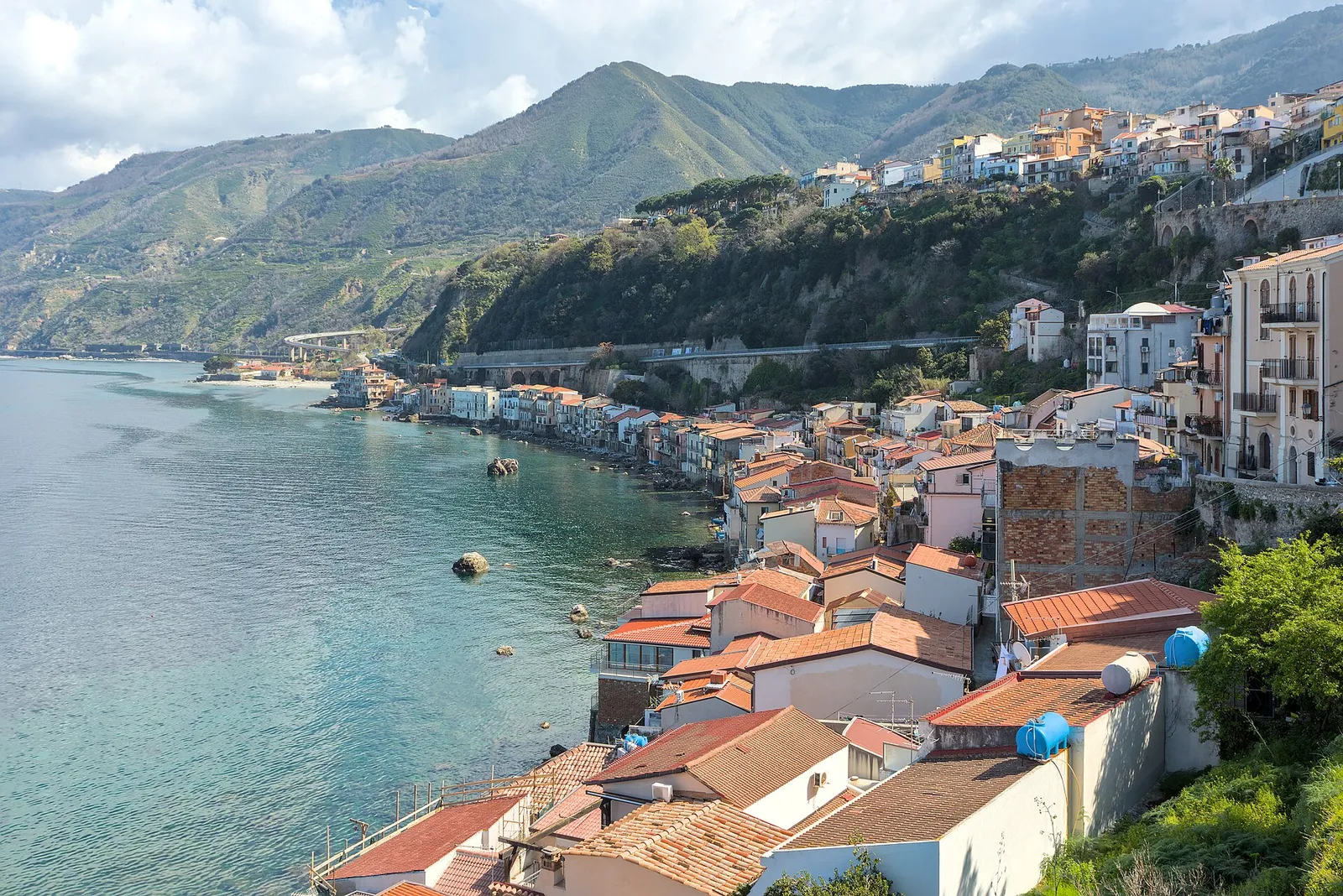
In Scilla the myth becomes almost tangible. Before you the Strait, and somewhere in those currents Homer imagined Scylla, the nymph turned into a six-headed monster by the jealousy of the sorceress Circe, condemned to terrorise sailors across from Charybdis. Below the Ruffo castle huddles Chianalea, the fishermen's quarter: houses that fish straight into the water, boats moored to the doorsteps, alleys that seem like canals. Here the swordfish hunt is a rite centuries old, still carried out from the high gangways of the spadara boats, and in the evening you taste it in a sandwich eaten on the jetty, your feet almost in the wave.
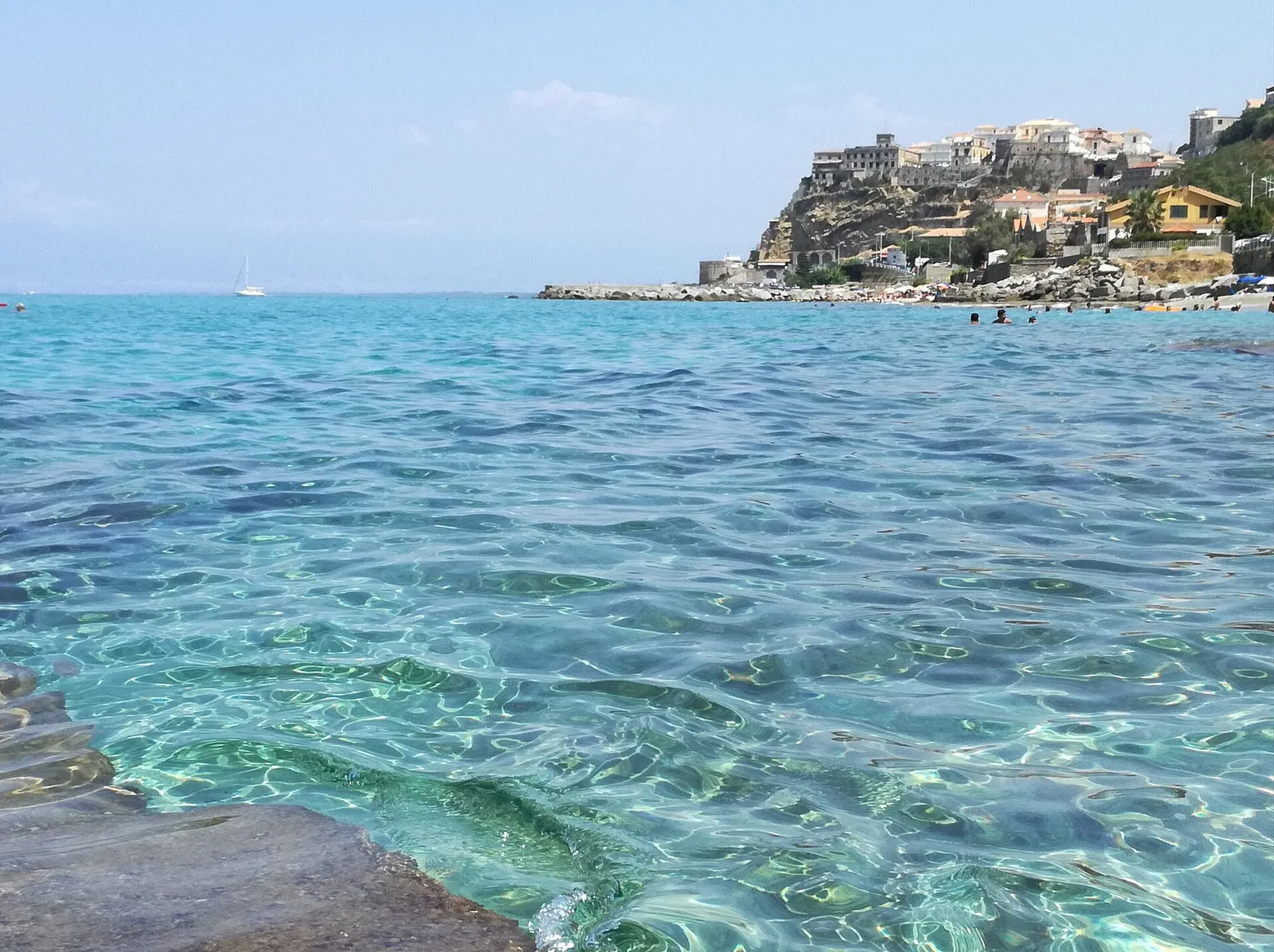
Then there is Pizzo, perched on its spur over the Gulf of Sant'Eufemia. In the Aragonese castle, in 1815, Joachim Murat — Napoleon's brother-in-law and King of Naples — was imprisoned and shot: a story our tour leads tell in the very rooms where it happened. And then the sweet: the Tartufo of Pizzo, born of pure improvisation when an ice-cream maker, left without moulds during a festival, began to shape balls of gelato by hand, hiding a heart of molten chocolate inside. A mistake become legend, today protected as a PGI.
What you'll live
Tropea on the cliff at sunset
The sanctuary of Santa Maria dell'Isola suspended over the sea and the Coast of the Gods catching fire as the sun sets behind Stromboli.
Chianalea, the village on the water
Scilla's fishermen's quarter, houses and boats among the rocks, and a swordfish sandwich savoured on the jetty at dusk.
The Tartufo where it was born
In Pizzo, in the little square over the gulf, the PGI gelato with its heart of molten chocolate: born of a mistake, become legend.
Civita and the Raganello Gorges
An Arbëreshë village where Albanian is still spoken and the sculpted chimneys watch over a canyon carved into the rock.
Stories of the villages
Every village on the journey keeps a story. Here are the ones your tour lead will bring back to life.
 01
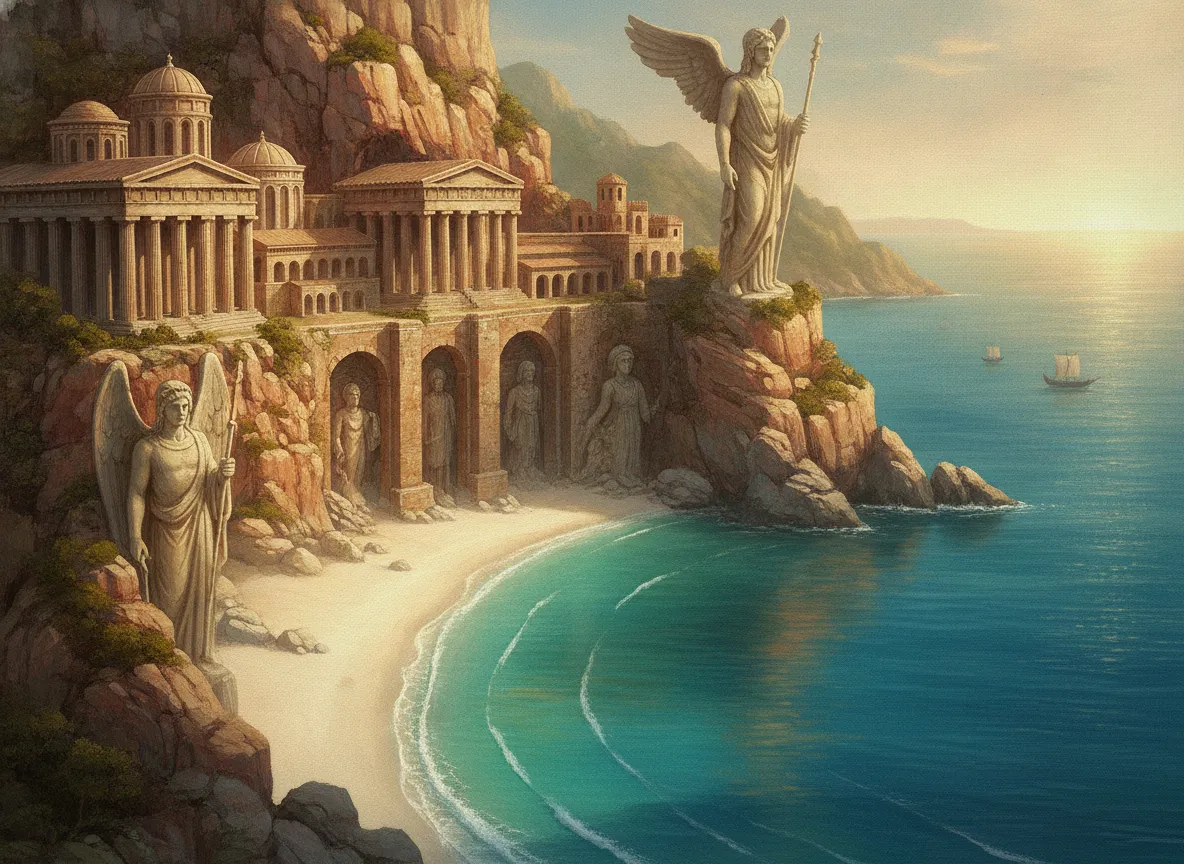
01 Tropea — Gli dèi e la Madonna sullo scoglio
La tradizione vuole che fosse Ercole in persona, di ritorno dalle sue fatiche, ad approdare su questa riva e a consacrarla: da allora il tratto di costa tra Tropea e Capo Vaticano si chiama Costa degli Dei, perché sembrava troppo bella per appartenere ai soli mortali. Su un isolotto di tufo a picco sul mare, i monaci benedettini eressero invece il santuario di Santa Maria dell'Isola, dove la leggenda fa approdare dal mare una statua lignea della Madonna, accolta come un dono delle onde.
Il tuo tour lead ti porta sul ciglio della rupe nell'ora in cui il sole cala dietro lo Stromboli e il borgo si tinge di rosa. Da lassù il santuario sembra galleggiare sull'acqua, e mentre l'aria sa di salsedine e di cipolla rossa appena tagliata capisci perché qui, da tremila anni, si continua a parlare di dèi.
 02
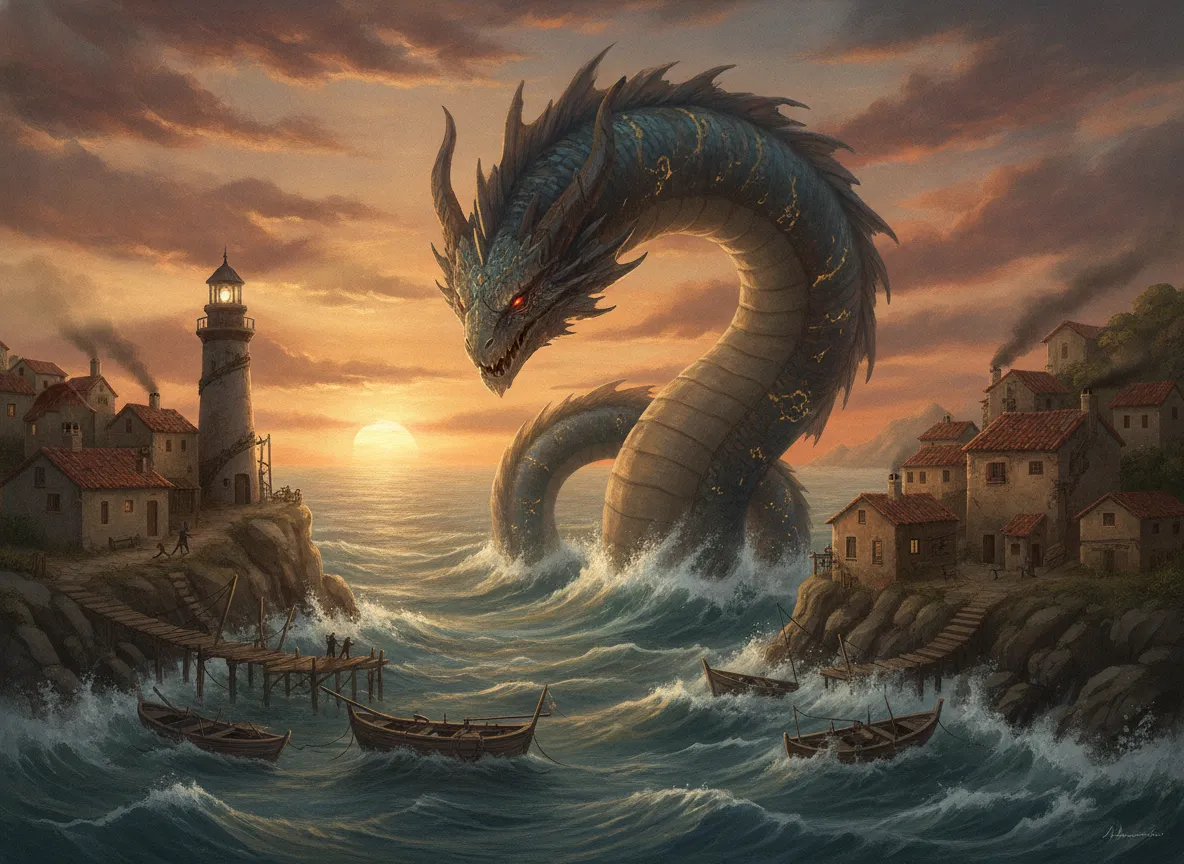
02 Scilla — Il mostro dello Stretto e il borgo che pesca nell'acqua
Nell'Odissea, lo Stretto è guardato da due flagelli dei naviganti. Da una parte il gorgo di Cariddi che inghiotte le navi; dall'altra Scilla, una ninfa bellissima che la gelosia della maga Circe trasformò in un mostro a sei teste, condannato a ringhiare dalla rupe e a ghermire i marinai di passaggio. Omero la immaginò proprio qui, sotto la rocca dove oggi veglia il castello dei Ruffo, di fronte alle correnti che ancora ribollono al cambio di marea.
Ai piedi del castello si stringe Chianalea, il quartiere dei pescatori: case che affondano le fondamenta nell'acqua, barche legate agli usci, vicoli stretti come canali. Qui la pesca del pesce spada è un rito vecchio di secoli, fatto ancora dalle passerelle alte delle barche-spadara. Il tour lead ti fa scendere quando i gruppi sono già ripartiti, e a sera gusti quel pesce in un panino mangiato sul molo, con i piedi quasi nell'onda e il mito che ti soffia sul collo.
 03
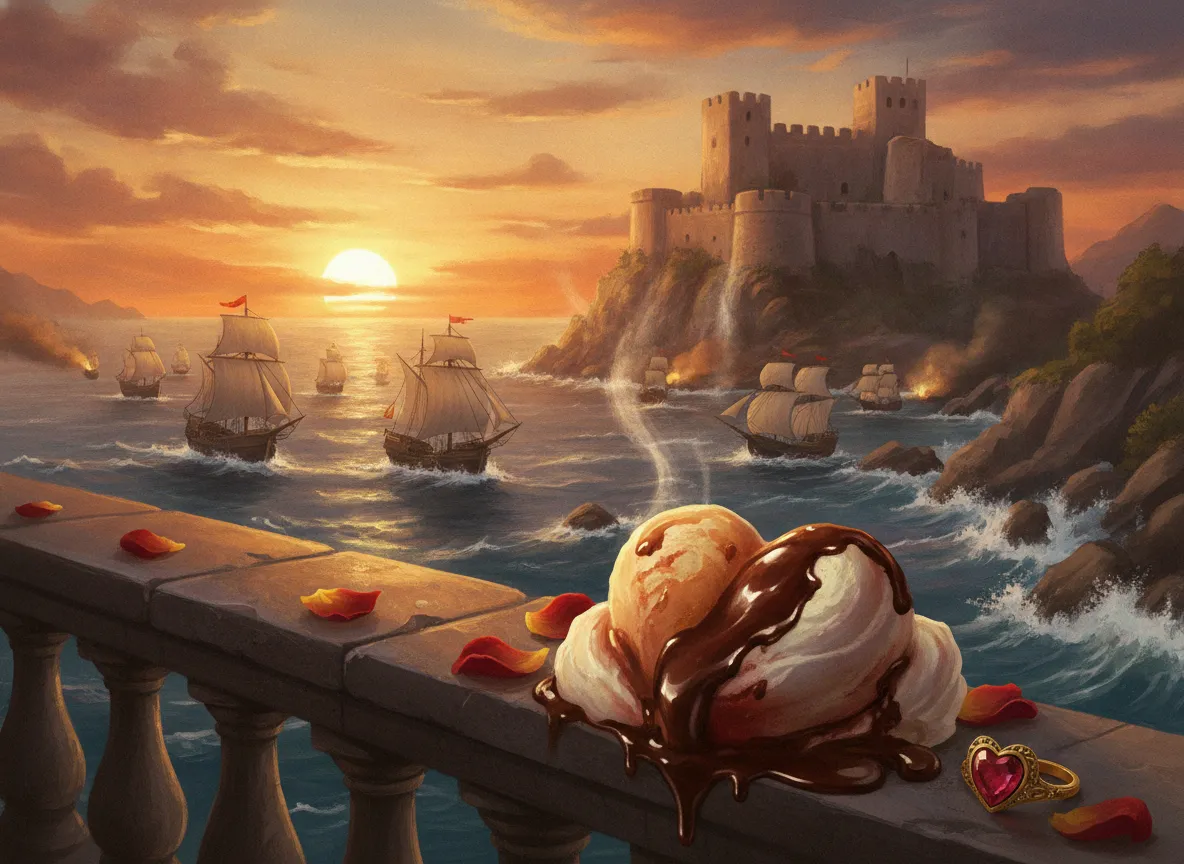
03 Pizzo — Un re fucilato e un gelato nato per errore
Nel castello aragonese arroccato sul golfo di Sant'Eufemia, nell'ottobre del 1815, finì un regno. Gioacchino Murat, brillante maresciallo di Napoleone e re di Napoli, sbarcò a Pizzo nel disperato tentativo di riprendersi il trono: catturato, fu processato in fretta e fucilato proprio tra quelle mura. Il tuo tour lead ti racconta la sua ultima ora nelle stanze in cui accadde, dove ancora oggi si respira il peso di quella tragedia.
Ma Pizzo sa anche addolcire la storia. Si narra che durante una festa un gelatiere rimase senza stampi e, per non deludere i clienti, prese a modellare le palle di gelato con le mani, nascondendoci dentro un cuore di cioccolato fuso: nasceva così il Tartufo di Pizzo, un errore diventato leggenda e oggi tutelato come IGP. Lo assaggi dove è nato, nella piazzetta affacciata sul mare, mentre il cioccolato cola tiepido al primo morso: è il modo più dolce che la Calabria conosca per salutarti.
Tra mito greco e re napoleonici
Greci, Normanni, Aragonesi e Borbone hanno lasciato su questo tratto di Tirreno una stratificazione di leggenda e storia: si naviga dentro i versi di Omero e si entra nelle stanze dove finì un regno. Ecco le tappe che il tuo tour lead ti farà toccare con mano.
- VIII sec. a.C.
Omero e il mostro Scilla
Nell'Odissea lo Stretto è guardato da due flagelli dei naviganti: Scilla, la ninfa mutata in mostro a sei teste, di fronte al gorgo di Cariddi.
- XII sec.
Il santuario sulla rupe
Sull'isolotto di Tropea si consolida Santa Maria dell'Isola, antico cenobio benedettino aggrappato alla roccia a picco sul mare.
- 1492
Il Castello Aragonese di Pizzo
Ferdinando I d'Aragona fa erigere a Pizzo la fortezza quadrangolare affacciata sul golfo di Sant'Eufemia, su una torre già trecentesca.
- 1815
La fine di Murat
Il 13 ottobre Gioacchino Murat, cognato di Napoleone e re di Napoli, è processato e fucilato nel castello di Pizzo dopo lo sbarco fallito.
- 1960 ca.
Il Tartufo diventa leggenda
A Pizzo un gelatiere senza stampi modella a mano le palle di gelato con un cuore di cioccolato fuso: nasce il Tartufo, oggi IGP.
We stitch Tropea, Scilla and Pizzo as three chapters of a single story, to the rhythm you choose: no coaches with fifty people aboard, but private transfers along the Coast of the Gods, stops in the right workshops and tables chosen one by one. In Tropea you give yourself the sea beneath the cliff before climbing to the sanctuary, and you taste the celebrated Red Onion PGI, so sweet you could eat it like a fruit; in Scilla you descend to Chianalea once the groups have already left and the swordfish still arrives warm from the boat; in Pizzo the Tartufo is savoured where it was born, in the little square by the sea. For those who want to go beyond the postcard, we add Civita, an Arbëreshë village suspended above the Raganello Gorges, where for five centuries an ancient Albanian tongue is still spoken and the sculpted chimneys tell of a Calabria from elsewhere.
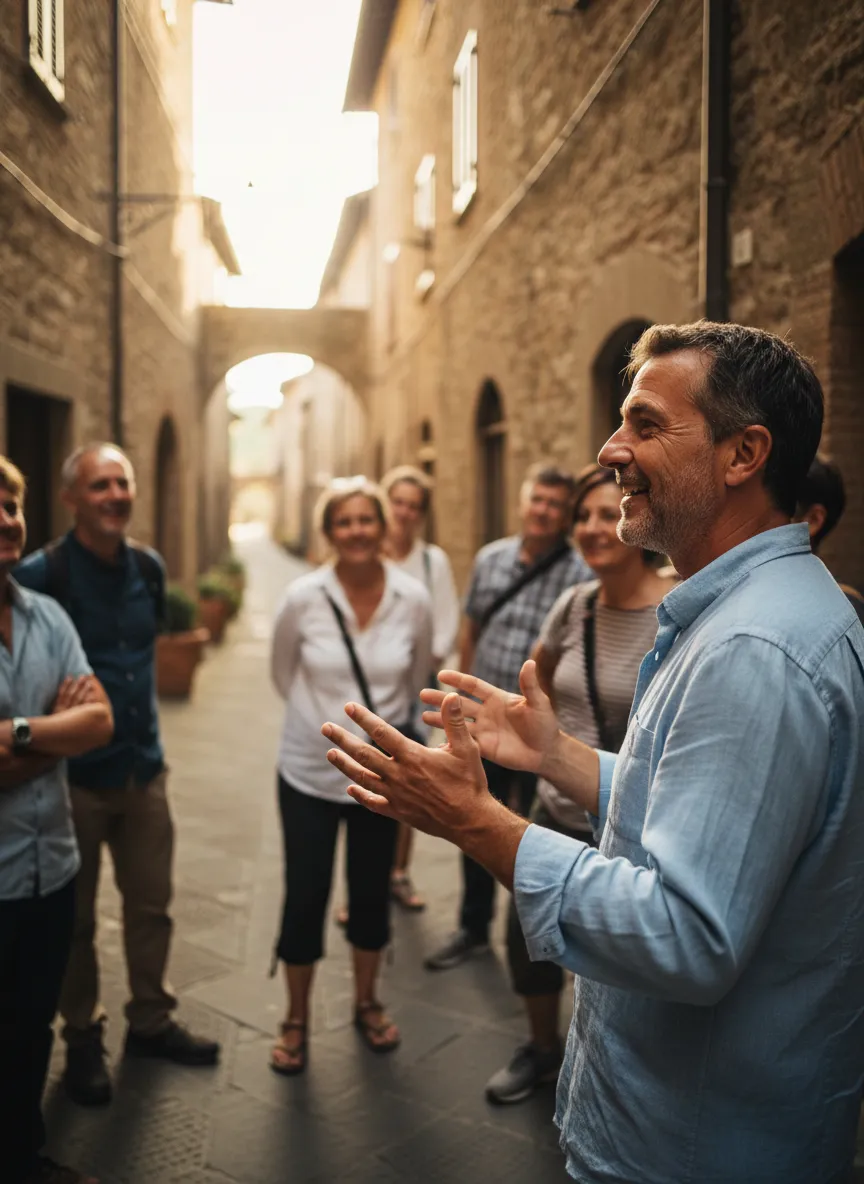
Every stage has its own local tour lead: people born here, or who chose to stay, able to open doors that no printed guidebook knows. They are the difference between seeing a village and understanding it.
The journey map
When to go
What's included
- Tour lead narratore dedicato
- Trasferimenti privati sul posto
- Alloggi di charme selezionati
- Esperienze e degustazioni in programma
- Assistenza Furore 24/7
Not included
- Viaggio a/r per la località di partenza
- Pasti non indicati nel programma
- Mance ed extra personali
- Assicurazione viaggio (facoltativa)
Dove dormirai
Scegliamo a mano ogni alloggio: niente catene anonime, ma luoghi con un'anima, nel cuore dei borghi o affacciati sul paesaggio.
Dimore storiche
Palazzi e case di pietra nel centro dei borghi, tra mura antiche e silenzio.
Boutique hotel
Piccoli hotel di charme, con vista, servizio curato e atmosfera intima.
Agriturismi e cantine
Ospitalità autentica tra vigne, ulivi e tavole vere, dove ti accolgono come a casa.
Il tuo tour lead
Non un accompagnatore qualunque: un narratore del territorio, nato qui o che ha scelto di restarci. Conosce le storie vere, le porte da aprire e i tempi giusti. È la persona che trasforma un bel viaggio in un ricordo indimenticabile.
A sample itinerary
- Day 1
Tropea, the cliff and the gods
Arrival and a stroll through the old town to the belvedere over the sanctuary. An aperitivo with the Red Onion PGI and a seafood dinner as the sun sets behind Stromboli.
- Day 2
The Coast of the Gods
A day among the most hidden coves of the coast, from Capo Vaticano to the tufa beaches, with a swim and lunch by the sea in a place chosen for you.
- Day 3
Scilla, between myth and sea
A private transfer towards the Strait, the Ruffo castle and the descent to Chianalea among the fishermen's alleys. Swordfish in the evening, on the jetty.
- Day 4
Pizzo and the Tartufo
The climb to Pizzo, Murat's castle and its Napoleonic history, then the ritual of the Tartufo in the little square overlooking the gulf. Farewells by the sea.
Frequently asked
When is the best time for the villages of Calabria?
Late spring (May–June) and early autumn (September): the sea already warm or still mild, splendid light and villages that are alive but without the August crowds.
How many days do you need for Tropea, Scilla and Pizzo?
We recommend 4–6 days to enjoy the three villages at a calm pace, savour the Coast of the Gods and, if you wish, add a day in Civita.
Is it a good trip for couples?
Very much so: sunsets on the cliff, seafood dinners by the water and charming places to stay make it perfect for honeymoons and escapes for two.
How do you travel between the villages?
By private transfer along the coast: no waiting, no huge groups, and stops at the spots a hurried guide would skip.
More villages to discover
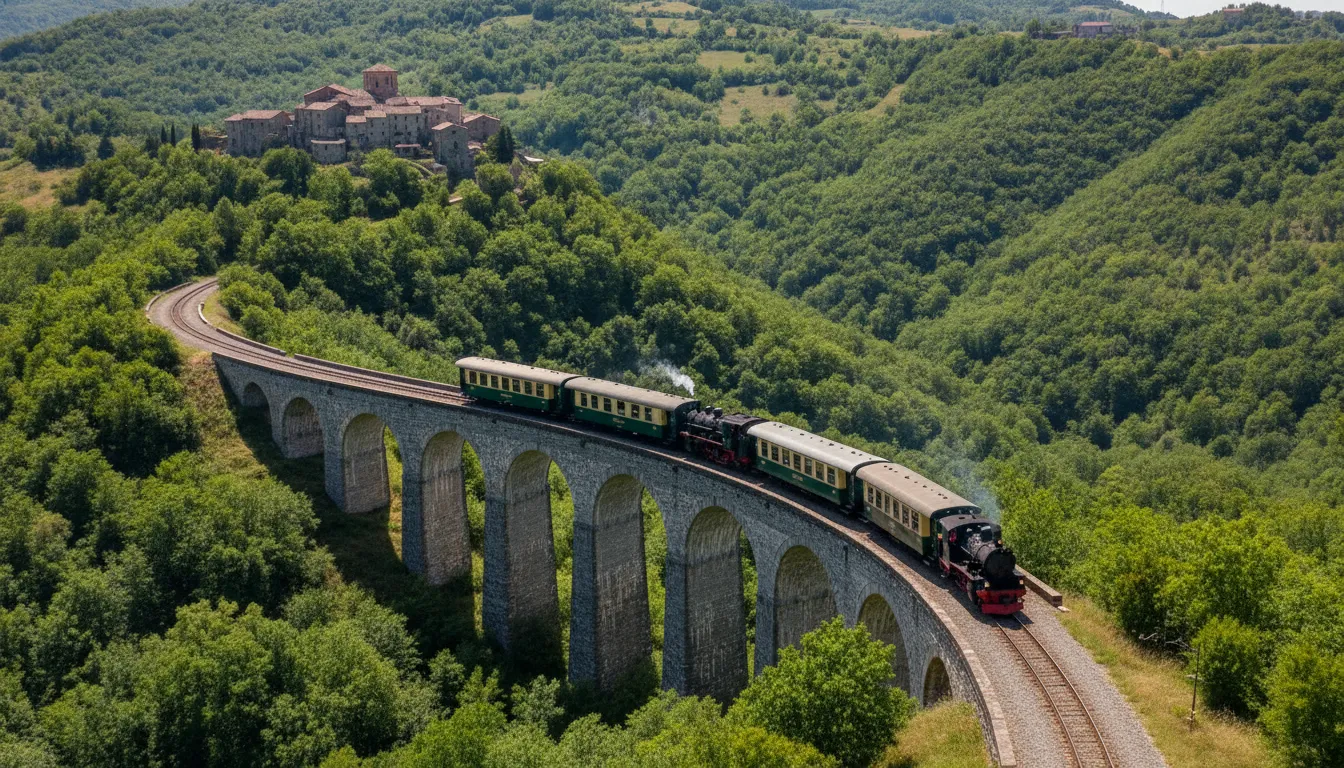 Abruzzo
 The Transiberiana d'Italia and the villages of Abruzzo
Abruzzo · Sulmona, Pescocostanzo, Cocullo, Campo di Giove
A slow train through the wild heart of the Apennines
Explore the village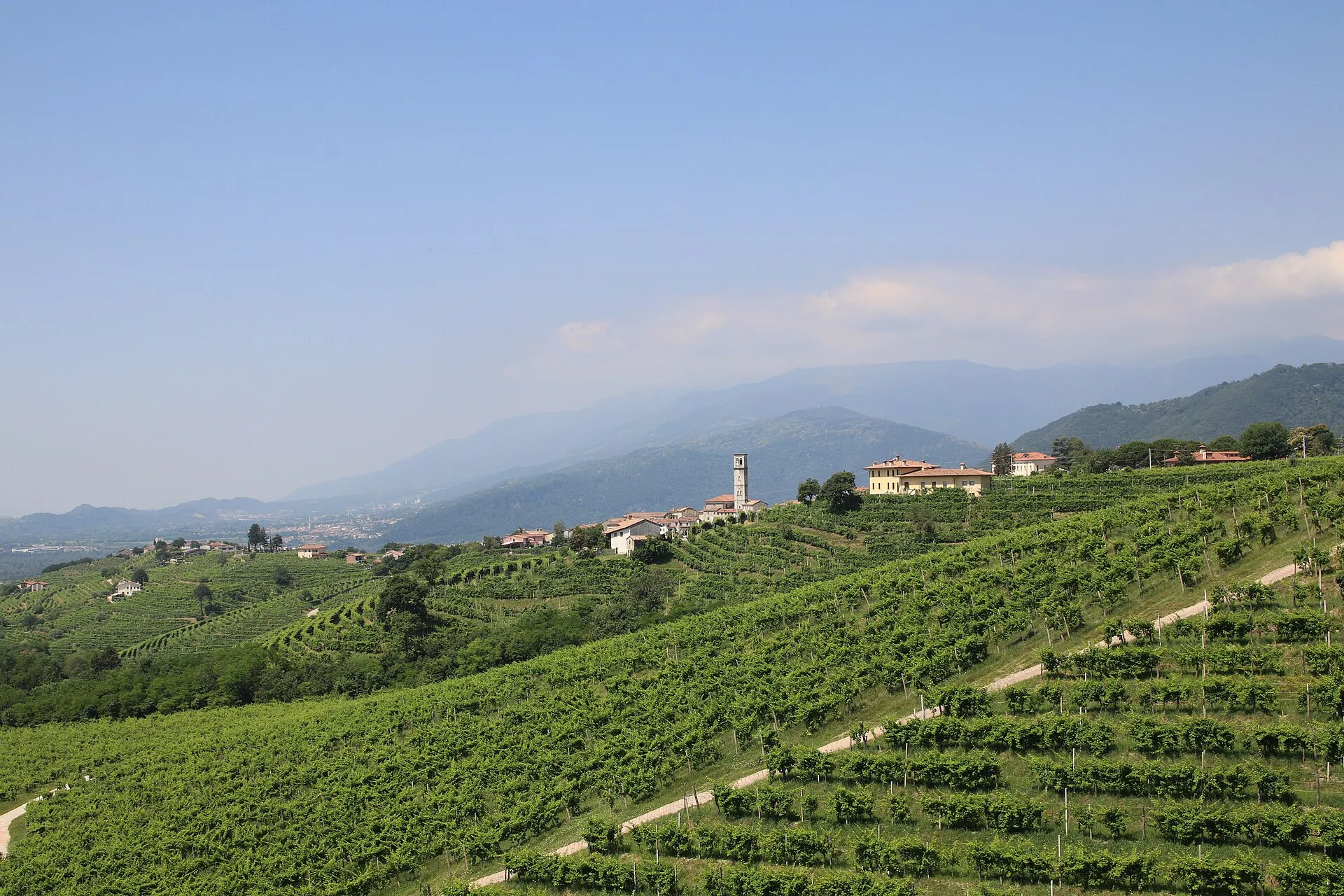 Veneto
 The Prosecco Hills
Veneto · Valdobbiadene, Conegliano and the UNESCO rive
Hand-stitched hills where the light of the Prealps turns into wine
Explore the village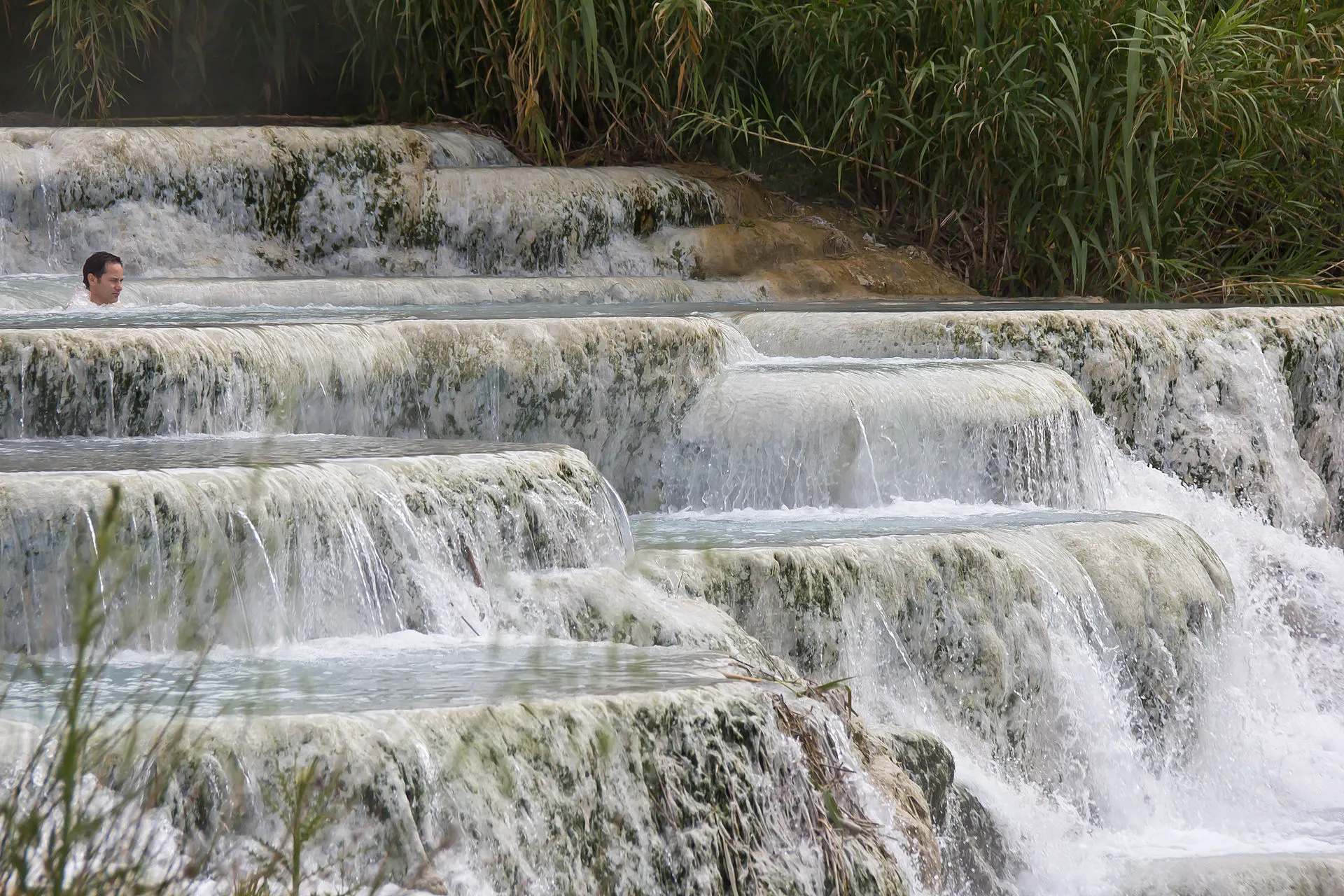 Tuscany
 Saturnia and the Tuscan Maremma
Tuscany · Saturnia, Pitigliano, Sovana
Warm waters born of a thunderbolt and towns carved from tufa
Explore the villageReady to truly set off?
Choose the experience that calls you: the details, the stories and the right thresholds are on us.